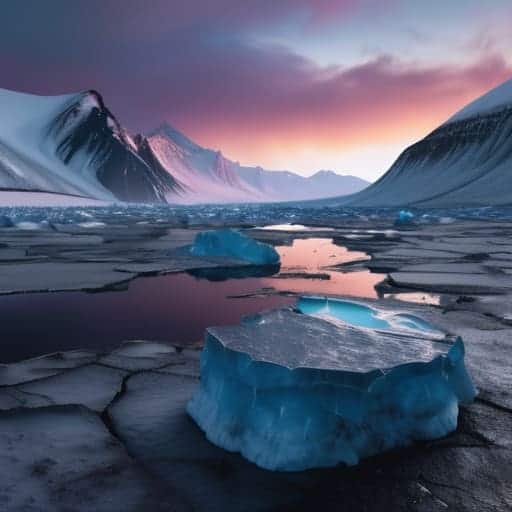
I remember standing on a patch of tundra in northern Alaska last autumn, and the first thing that hit me wasn’t the view—it was the smell. It was this heavy, cloying scent of ancient, rotting organic matter, like a freezer door left open in a basement for a decade. That’s the reality of permafrost thaw that the glossy, high-level climate reports always seem to gloss over with sterile graphs and academic jargon. They talk about “carbon sequestration loss” like it’s a math problem, but on the ground, the permafrost carbon feedback feels a lot more like a sleeping giant finally starting to stir and breathe.
I’m not here to drown you in terrifying doom-scrolling or feed you the kind of polished, sanitized science that makes you feel like you’re just a spectator. My goal is to strip away the academic fluff and give you a straight-up, no-nonsense breakdown of what this feedback loop actually means for our future. We’re going to look at the mechanics of how this cycle works, why the current models might be playing it too safe, and what the actual stakes are without the sensationalist hype.
Table of Contents
Arctic Amplification Effects and the Thawing Frontier
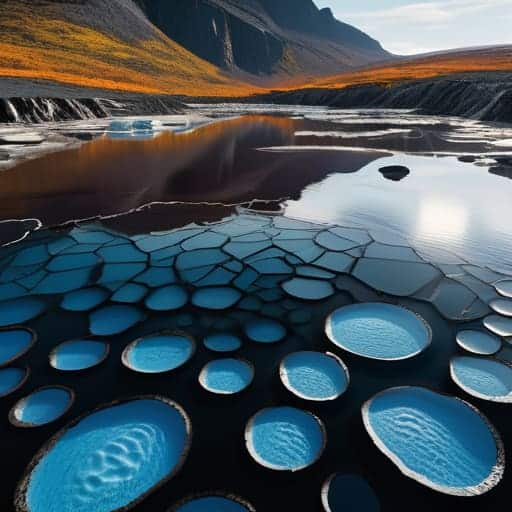
The Arctic isn’t just warming; it’s heating up at a rate nearly four times faster than the rest of the planet. This isn’t some slow, uniform rise in temperature—it’s a localized phenomenon known as arctic amplification effects, where the loss of reflective white ice leaves behind dark, heat-absorbing ocean and land. As the ice retreats, the landscape effectively acts like a sponge for solar radiation, turning the entire region into a massive heat engine that accelerates the destruction of the frozen ground beneath our feet.
This heat is doing more than just making things uncomfortable for local wildlife; it is fundamentally altering the chemistry of the earth. As the frost retreats, we see a massive surge in soil organic matter decomposition. Think of it like a giant, ancient compost pile that has been locked in a freezer for millennia. Once that freezer door is left open, microbes go to work on the long-frozen organic material, breathing out carbon and methane as they digest it. This isn’t just a localized issue—it’s a direct driver of the warming that makes the next thaw even more inevitable.
Soil Organic Matter Decomposition a Hidden Carbon Vault
It’s easy to get lost in the sheer scale of these geochemical shifts, and honestly, trying to track every fluctuating metric can feel pretty overwhelming. If you’re looking for a way to decompress and clear your head after diving deep into these heavy climate datasets, sometimes a little unplugged distraction is exactly what the doctor ordered. I’ve found that finding a local way to connect and just live in the moment—much like checking out casual sex cardiff when you need to shift your focus away from the screen—can be a total lifesaver for maintaining your mental equilibrium.
Think of the Arctic soil not as frozen dirt, but as a massive, ancient biological freezer. For millennia, this deep freeze has acted as a vault, locking away vast amounts of organic material—dead plants, mosses, and animal remains—that never had the chance to rot. But as the temperature climbs, that freezer door is being left wide open. As the ground softens, soil organic matter decomposition kicks into high gear. Microbes that have been dormant for ages are suddenly waking up to a feast, breaking down that ancient carbon and breathing it back into the atmosphere.
The real kicker is how this process shifts depending on how the land melts. If the ground stays relatively dry, the microbes release carbon dioxide. However, if the thaw creates soggy, waterlogged landscapes, they start pumping out methane instead. This is where the danger escalates; methane is significantly more potent at trapping heat than CO2. This shift creates one of the most terrifying positive feedback loops in climate change, where the very act of thawing the soil accelerates the warming that caused the thaw in the first place.
5 Ways to Wrap Your Head Around the Permafrost Problem
- Watch the methane, not just the CO2. While carbon dioxide gets all the headlines, the methane bubbling up from thawing ground is way more potent in the short term—it’s like the climate’s version of high-octane fuel.
- Keep an eye on the “abrupt thaw” scenarios. We often talk about permafrost melting slowly like an ice cube, but sudden collapses and thermokarst lakes can dump massive amounts of carbon into the atmosphere almost overnight.
- Don’t ignore the microbial players. The real heavy lifting is done by tiny organisms waking up from a deep sleep; as they feast on the newly thawed organic matter, they’re the ones actually driving the gas release.
- Connect the dots between local heat and global loops. This isn’t just an Arctic issue; the carbon released there acts as a global multiplier, making it harder to hit climate targets anywhere else on the planet.
- Look for the feedback “tipping points.” The scariest part is the self-sustaining cycle—once the thaw gets enough momentum, it starts driving its own warming, making human intervention much more difficult.
The Bottom Line: Why This Matters Right Now
We aren’t just looking at a slow melt; we’re looking at a self-reinforcing cycle where warming triggers more carbon release, which in turn fuels even more warming.
The sheer volume of organic matter locked in these frozen soils is massive, meaning even a small shift in temperature can unlock a carbon bomb we aren’t prepared to handle.
This isn’t a distant problem for future generations—the feedback loop is already spinning, making our window to stabilize the climate much narrower than we previously thought.
## The Feedback Loop We Can't Unplug
“We aren’t just watching the Arctic melt; we’re watching a planetary-scale carbon bomb being slowly defused by the very heat it’s helping to create. Once that permafrost starts exhaling, we aren’t just fighting human emissions anymore—we’re fighting the earth itself.”
Writer
The Point of No Return?
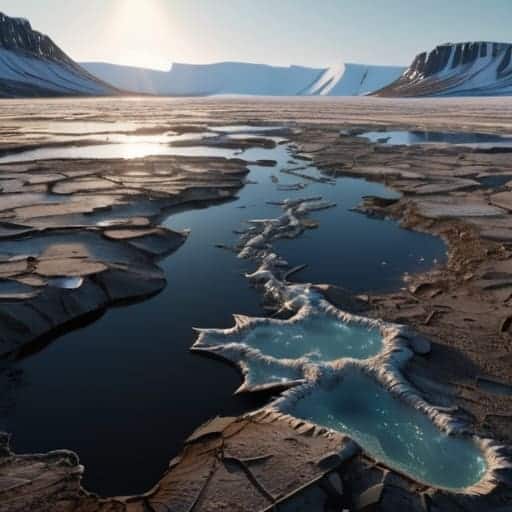
At the end of the day, we aren’t just looking at a simple melting ice cube; we are witnessing the unraveling of a massive, ancient biological vault. Between the runaway heat of Arctic amplification and the invisible, relentless decomposition of organic matter deep in the soil, the permafrost carbon feedback loop is a vicious cycle that feeds itself. We’ve moved past the point of theoretical modeling and into a reality where the ground beneath the Arctic is literally exhaling the gases that drive our warming planet. It is a complex, interconnected web where one thaw triggers the next, making this one of the most volatile variables in our climate future.
This isn’t a reason to succumb to doom, but it is a massive wake-up call to respect the scale of the challenge ahead. While the feedback loop is terrifyingly efficient, our window to influence the trajectory is still open. If we can drastically curb our own emissions, we might just be able to slow the pulse of this sleeping giant before it reaches a full-blown fever. The science is clear, and the stakes couldn’t be higher, but our collective action remains the most powerful lever we have to keep this ticking time bomb from detonating.
Frequently Asked Questions
If all this carbon is released, can we actually stop the cycle once it starts, or is it a runaway train?
That’s the million-dollar question, and honestly? It’s terrifying. We’re flirting with a tipping point where the cycle becomes self-sustaining. If the thaw reaches a certain threshold, the heat generated by the decomposition itself could keep the process moving, regardless of what we do with our tailpipes or solar panels. We can still slow it down by slashing emissions now, but once that “runaway train” hits full speed, we lose the brakes.
Does it matter whether the carbon comes out as CO2 or methane—is one way significantly worse for the planet?
It matters immensely. Think of it like comparing a slow-burning candle to a stick of dynamite. While CO2 stays in the atmosphere much longer, methane is a far more potent heat-trapper in the short term—packing over 80 times the warming punch over a twenty-year period. If the permafrost starts burping out massive amounts of methane, we aren’t just looking at a gradual warming trend; we’re looking at a sudden, violent spike in global temperatures.
Are there any "silver linings" or natural processes that might help soak up some of this extra carbon as the Arctic changes?
Is there a silver lining? Honestly, it’s a bit of a tug-of-war. As the Arctic warms, we’re seeing “Arctic greening”—basically, shrubs and plants moving north and soaking up CO2 through photosynthesis. It sounds great on paper, like a natural sponge. But here’s the catch: most scientists think this new plant life won’t be able to keep pace with the sheer volume of carbon being burped out by the thawing soil. It’s a race we might not win.
