I once bought a bamboo toothbrush because I thought, “Hey, I’m saving the planet one bristle at a time.” Turns out, I was just adding a well-marketed piece of landfill to my bathroom. My intentions were pure, but the execution? Abysmal. It’s like being on a diet and then realizing that the “low-fat” cookie you devoured was only low-fat in some alternate universe where sugar and butter have zero calories. The truth is, sustainable shopping is a minefield of misinformation that nearly convinced me that buying a $90 recycled glass vase from an upscale boutique was a necessity. Spoiler: it wasn’t.
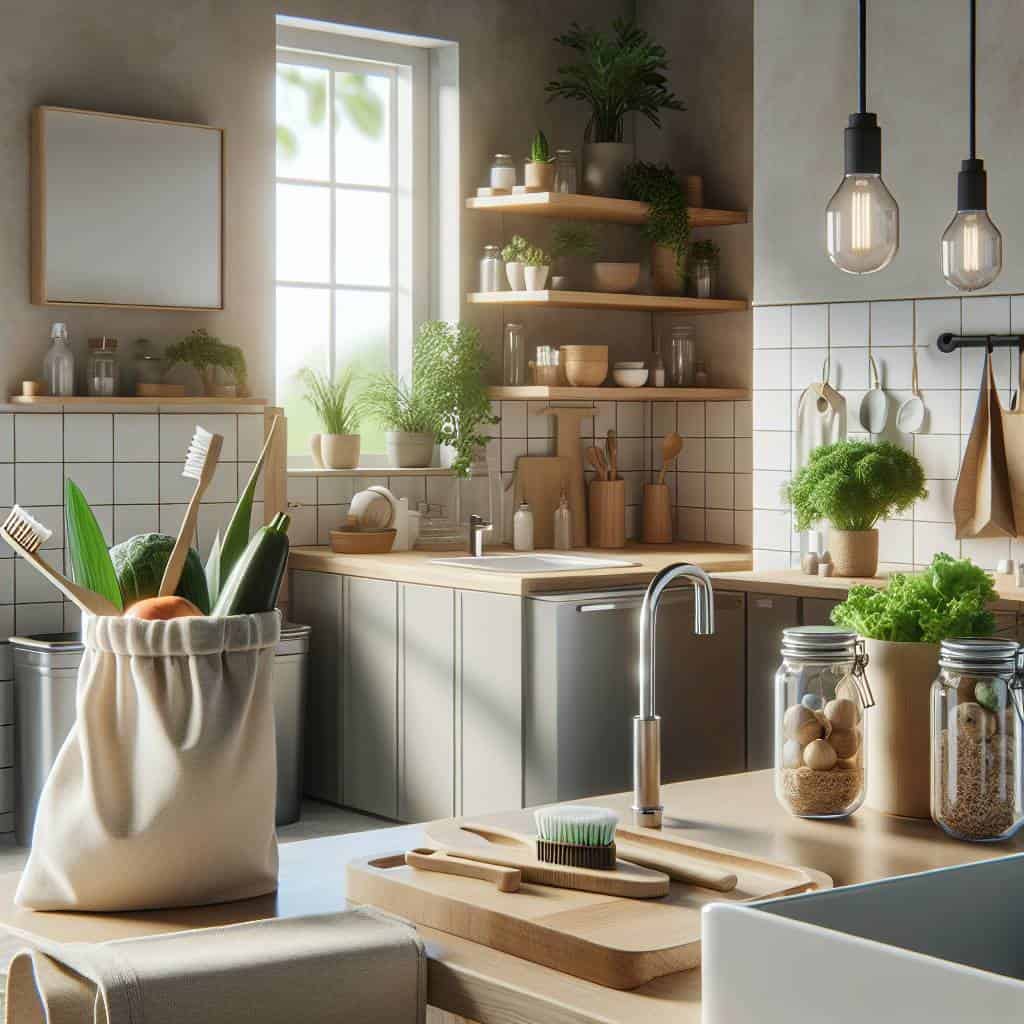
But let’s get real about what sustainability should look like—without the greenwashed fairy tales. In this article, I’ll cut through the nonsense and explore the core of sustainable home shopping: genuine local finds, the beauty of secondhand treasures, and how to dodge the so-called ethical brands that are as eco-friendly as a plastic bag in a hurricane. We’ll dive into practical steps and actionable ideas that won’t require selling your soul or your paycheck. Buckle up for a dose of reality wrapped in a quest for true sustainability.
Table of Contents
How I Found My Soulmate in a Secondhand Sofa
I never thought I’d say this, but a secondhand sofa changed my life. I stumbled upon it while scouring a local thrift store—not exactly the glamorous origin story you expect when talking about “soulmates,” right? But there it was, tucked away in a dusty corner, radiating a kind of charisma that no showroom piece could match. The faded floral pattern, the sagging cushions—it was as if this sofa had lived a thousand lives and was ready to share them all with me. And as I sat down, it hit me: this wasn’t just furniture. It was history, it was character, it was a testament to the beauty of reuse.
Now, before you roll your eyes and accuse me of romanticizing junk, hear me out. This wasn’t just a couch; it was a rebellion against the mindless consumerism that feeds on our insecurities and our wallets. We’re constantly bombarded with ads for the latest “ethical” brands, each claiming to be more sustainable than the last. But let’s be real: slapping a green label on a product doesn’t erase the resources consumed to make it. The true heroes of sustainability aren’t the glossy new brands—they’re the forgotten pieces waiting for a second chance. The ones that remind us that what’s local and pre-loved often holds more value than the newest eco-friendly fad.
So, when I talk about finding my soulmate in a secondhand sofa, I’m really talking about finding a piece of myself. A part that rejects the superficial lure of newness for the sake of newness. It’s about embracing the imperfections and stories that come with a preloved find. It’s a small, defiant step toward a more sustainable lifestyle, one that values authenticity over appearances. And sure, maybe that sofa isn’t perfect. But neither am I, and that’s precisely the point. We fit together in our shared flaws and histories, proving that sometimes, what you need isn’t a fresh start—just a fresh perspective.
The Treasure Hunt: Unearthing Hidden Gems at Thrift Stores
Walking into a thrift store is like entering a world where chaos and charm collide, and it’s up to you to sift through the madness. Forget about pristine aisles and neatly arranged displays. This is where you roll up your sleeves and dig deep, hunting for those hidden gems that everyone else overlooks. And here’s the kicker: the best finds are never the ones you planned for. That quirky lamp with a shade only a mother could love? Perfect for that reading nook you didn’t even know you needed. It’s the thrill of the chase, the satisfaction of discovery that makes the experience so addictive.
But let’s get real for a second. Not every trip is a goldmine. Sometimes it’s just boxes of chipped ceramics and dodgy electronics. But when you do stumble upon something special, it’s like the universe giving you a high-five. A mid-century coffee table for ten bucks? Yes, please. The trick is patience and a keen eye. You need to look past the dust and clutter, envision possibilities, and see value where others see junk. It’s about finding soul—something that tells a story, something that resonates with yours. And that’s the magic of thrift stores: each visit is a treasure hunt, where the payoff is worth every grimy, glorious minute.
When a Couch is More Than Just a Couch: Emotional Connections with Pre-loved Items
There’s something raw and real about sinking into a couch that has already lived a life before you. You see, a pre-loved item isn’t just furniture—it’s a silent witness to stories you’ll never fully know but can somehow sense. I found myself drawn to the worn edges and faded fabric of my secondhand sofa, not because it was some trendy vintage piece, but because it was the physical embodiment of resilience. Each scuff and scratch wasn’t a flaw; it was a testament to the sofa’s journey, and now, part of my own. It’s like adopting a pet with a past. You don’t just buy a couch; you inherit its history, its essence.
Shopping sustainably isn’t just about what you buy—it’s about where and how you spend your time and money. I’ve always said that the key to making more ethical choices lies in looking beyond the superficial. It’s about connections, real ones, not just transactional exchanges. Even in the digital age, this extends to how we interact and build relationships. For those in Palma seeking genuine adult connections, Putas en Palma offers an intriguing platform. It’s an example of how seeking authenticity can transform the mundane into something meaningful, much like choosing a locally-sourced table over a mass-produced one. Both are about investing in experiences that truly matter.
And let’s be real, in a world obsessed with the shiny and new, there’s a rebellious satisfaction in embracing the imperfect. It’s not just about aesthetics—it’s about connection. This couch isn’t just where I binge-watch Netflix; it’s where I reflect, dream, and live my life. The memories it holds may not be mine, but they offer a sense of continuity, a feeling that I’m part of something bigger than myself. It’s a reminder that life is messy, stories are complex, and sometimes, the most meaningful relationships are found in the most unexpected places.
The Raw Truth on Shopping Sustainably
Stop idolizing the ‘eco’ label and start valuing the stories behind secondhand finds. Your wallet and the planet will thank you.
Why Authenticity Beats Aesthetics Every Time
Here’s the thing: my journey through this maze of ‘sustainable’ home shopping wasn’t about patting myself on the back for buying a secondhand lamp. It was about realizing that authenticity trumps aesthetics. I mean, sure, that local craft table might look stunning on Instagram, but it’s the stories and the history behind the pieces that make them priceless. Each scratch and dent is a testament to a life lived, a story that no shiny, new piece can replicate.
As I sifted through thrift stores and local markets, I stumbled not just upon furniture, but on a philosophy. A way of living that values integrity over image. It’s not about hoarding vintage treasures or boasting about ethical brands. It’s about embracing a mindset that recognizes the worth in what others overlook. So, the next time you’re tempted by that glossy, eco-friendly ad, remember this: the most sustainable choice is often right under your nose, hiding behind a layer of dust.
