
Did you know 75% of firms using digital twins see a big boost in productivity? This amazing fact shows how Digital Twins, virtual models that copy real things, are changing the game. They bring new levels of efficiency by combining advanced tech like Artificial Intelligence, cloud computing, and the Internet of Things.
Digital Twins use real-time data from sensors to predict what will happen next. Big names like Siemens and Rolls-Royce use this tech to make their manufacturing better and their equipment more reliable. So, Digital Twins are more than just a trend. They’re key to making industries better, giving valuable insights that boost efficiency and productivity everywhere.
Key Takeaways
- Digital Twins offer virtual models that mimic and enhance physical asset management.
- Integration of AI, cloud computing, and IoT fuels the evolution of Digital Twins.
- Predictive analytics from Digital Twins help in foreseeing challenges before they arise.
- Companies like Rolls-Royce and Siemens exemplify the successful application of Digital Twins.
- 75% of firms using Digital Twins report significant productivity improvements.
- Digital Twins enable organizations to optimize operations and extend machinery lifespan.
Understanding Digital Twins: A Deep Dive into Virtual Models
Digital Twins are virtual models that mirror real-world objects or systems in real-time. They combine technology and practical use. These models evolve with their physical counterparts, using lots of data for analysis.
Definition and Characteristics
The definition of Digital Twins involves real-time data from sensors and IoT devices. This setup helps organizations understand how things work and spot risks early. They also help in making operations better.
One key feature of Digital Twins is their ability to predict maintenance needs. This is thanks to AI analytics, which cuts down on downtime and lowers maintenance costs.
The Technology Behind Digital Twins
The technology of Digital Twins is complex, mixing real-time data and advanced analytics. Sensors collect important data, and analytics turn it into useful insights. This method speeds up product improvement, without the need for physical prototypes.
Machine learning boosts predictive abilities and helps manage risks. It makes Digital Twins a strong tool for today’s industries.
Applications of Digital Twins Across Various Industries
Digital twins are changing many industries, including manufacturing and healthcare. They use advanced tech to boost performance and efficiency. This leads to new ways of working and better results.
Transforming Manufacturing
Digital twins are key in updating how things are made. Companies like Siemens and Rolls-Royce are leading this change. Siemens has cut downtime by 30% by simulating production lines.
Rolls-Royce’s “IntelligentEngine” lets them watch engine performance in real-time. This helps with maintenance and cuts down on stops. About 75% of firms using digital twins see their productivity go up.
Volvo is using digital twins to make cars safer and more efficient. The oil and gas sector, with companies like Shell and BP, is also benefiting. They use digital twins to spot problems before they happen, keeping everyone safe and saving money.
By simulating workflows, companies can make their plans better. They use resources more wisely and see big improvements in how they work.
Healthcare Innovations with Digital Twins
Digital twins are changing healthcare, making medicine more personal and care better. They help doctors try out different treatments without risk. Össur is a great example, making prosthetics that fit perfectly thanks to digital twins.
Hospitals use digital twins to plan better, improving how they manage resources. This means patients get better care faster. Digital twins are key to making healthcare better and more efficient.
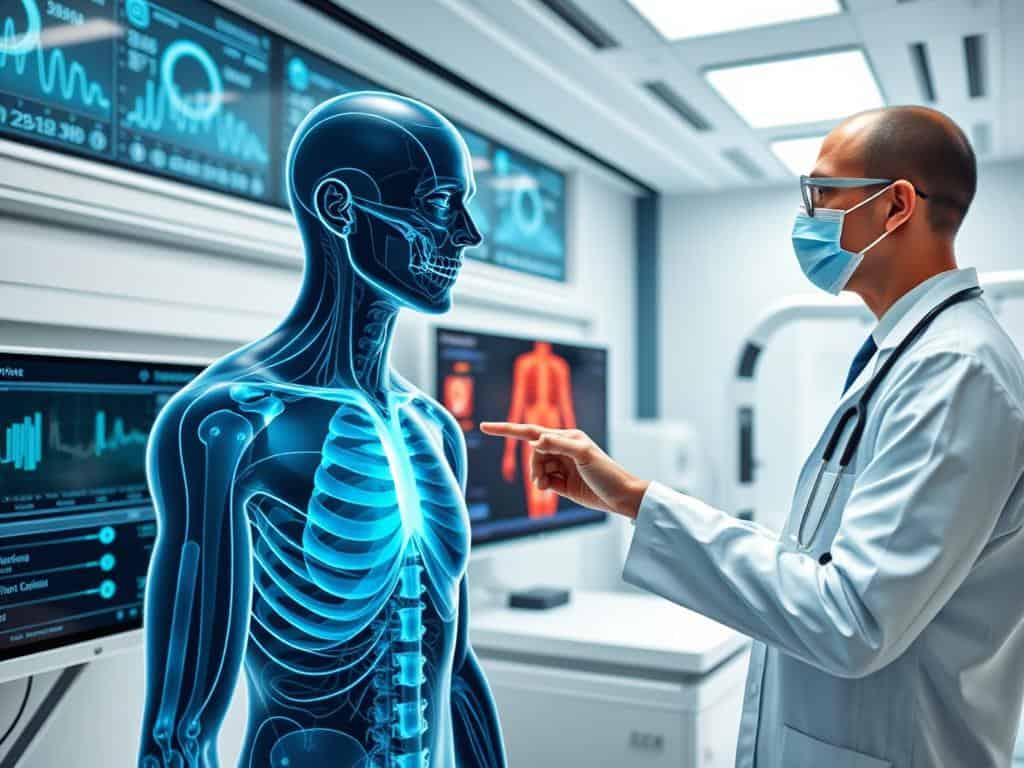
Digital Twins: Why They Matter for Supply Chain Management
Digital Twins are changing how we manage supply chains. They create virtual models of real assets. This gives companies Real-Time Insights to make better decisions and improve Efficiency.
More companies are seeing the value in Digital Twins. McKinsey says these technologies will grow to $73.5 billion by 2027. This shows a big push to make supply chains better and reduce risks.
Many leaders are now investing in Digital Twins. This is because they help solve problems like lack of visibility in operations. They let businesses test logistics and plan better by using Real-Time Insights.
Digital Twins are also being used in many ways. They help cut down on transportation costs and speed up development. More companies see them as key to changing their supply chains, helping them deal with market ups and downs.
Conclusion
The future of Digital Twins is bright, with lots of possibilities. It will change how industries work by using new technology. Businesses will get better at using technology, making operations more efficient and creative.
This change is big in areas like making things, healthcare, and managing supplies. Digital Twins help companies make smart choices by using data. They create virtual models of systems, helping predict problems and test without real risks.
Looking ahead, Digital Twins will explore new fields and use cloud and edge computing. They will keep improving by using real-time data and predicting future events. This will make them key for making smart decisions and new ideas.
