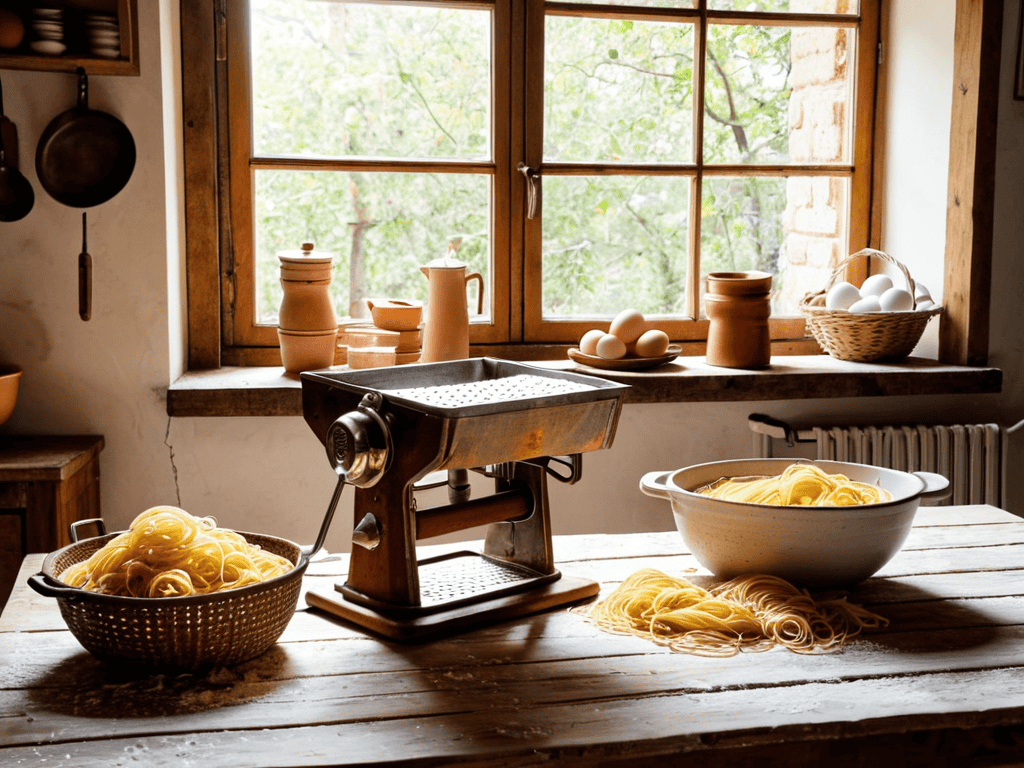
I still remember the first time I tried to make my own pasta from scratch – it was a disaster. I had heard that it was a labor of love, but what I didn’t realize was that it’s actually quite simple once you get the hang of it. The myth that making pasta from scratch is a tedious, all-day affair is just that – a myth. With the right tools and a bit of practice, you can learn how to make your own pasta from scratch and enjoy a delicious, homemade meal.
In this article, I’ll share my honest, no-hype advice on how to get started with making your own pasta from scratch. You’ll learn the essential steps and practical tips you need to create delicious, handmade pasta that will impress your friends and family. From choosing the right ingredients to mastering the perfect texture, I’ll guide you through the process with ease. By the end of this article, you’ll be equipped with the knowledge and confidence to create your own signature pasta dishes and enjoy the satisfaction of a truly homemade meal.
Table of Contents
- Guide Overview: What You'll Need
- Step-by-Step Instructions
- Mastering How to Make Your Own Pasta From Scratch
- Avoiding Common Pasta Shaping Mistakes With Pasta Machine vs Manual
- Unlocking Italian Pasta Making Techniques With Types of Flour
- Pasta Perfection: 5 Essential Tips for Making Pasta from Scratch
- Key Takeaways for the Aspiring Pasta Maestro
- The Heart of Homemade Pasta
- The Saucy Truth: You're Now a Pasta Master
- Frequently Asked Questions
Guide Overview: What You'll Need
Total Time: 2 hours 30 minutes
Estimated Cost: $10 – $20
Difficulty Level: Intermediate
Tools Required
- Stand Mixer (with a dough hook attachment)
- Wooden Cutting Board
- Rolling Pin
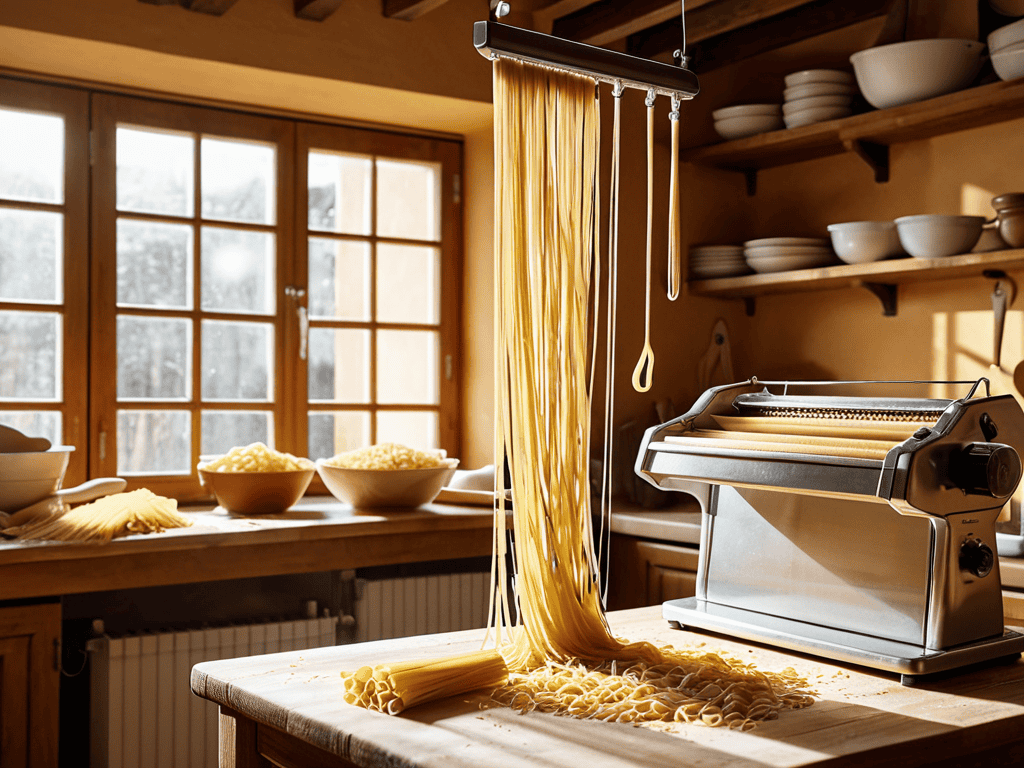
- Pasta Machine (optional but recommended)
- Colander
Supplies & Materials
- All-Purpose Flour 2 cups
- Large Eggs 2 eggs
- Salt 1/4 teaspoon
- Water as needed
- Olive Oil for kneading
Step-by-Step Instructions
- 1. First, let’s start by making the pasta dough, which is the foundation of our homemade pasta. In a large mixing bowl, combine 1 cup of flour, 1 large egg, and a pinch of salt. Mix these ingredients together until they form a _smooth, pliable_ ball. If the dough is too sticky, you can add a bit more flour, but be careful not to add too much, as this can make the pasta tough.
- 2. Next, we need to knead the dough to develop the gluten, which will give our pasta its _perfect texture_. You can do this by hand or using a stand mixer with a dough hook attachment. Knead the dough for about 10 minutes, until it becomes smooth and elastic. You can test the dough by poking it with your finger; if it springs back quickly, it’s ready.
- 3. Now that our dough is ready, it’s time to rest it. Wrap the dough in plastic wrap or a damp cloth and let it rest at room temperature for at least 30 minutes. This step is crucial, as it allows the gluten to relax, making the dough easier to roll out. While the dough is resting, you can start preparing your pasta machine or rolling pin.
- 4. After the dough has rested, it’s time to roll it out into thin sheets. If you’re using a pasta machine, start by rolling out the dough to a thickness of about 1/16 inch. If you’re using a rolling pin, try to get the dough as thin as possible, but be careful not to tear it. As you roll out the dough, you can use a _light dusting_ of flour to prevent it from sticking to the machine or pin.
- 5. Once you have your thin sheets of dough, it’s time to cut them into the desired pasta shape. You can use a pasta cutter or a sharp knife to cut the dough into _long, thin strands_ of pasta. If you’re feeling adventurous, you can try cutting out more complex shapes, like ravioli or tortellini.
- 6. With your pasta cut, it’s time to cook it. Bring a large pot of salted water to a boil and gently add your pasta. Cook the pasta for 2-5 minutes, or until it’s al dente, which means it should still have a bit of bite to it. Be careful not to overcook the pasta, as this can make it mushy and unappetizing.
- 7. Finally, it’s time to serve your freshly made pasta. You can top it with your favorite sauce, whether that’s a classic tomato sauce, a creamy Alfredo, or something more adventurous. Whatever you choose, be sure to enjoy the _fruits of your labor_ and appreciate the satisfaction of making your own pasta from scratch.
Mastering How to Make Your Own Pasta From Scratch
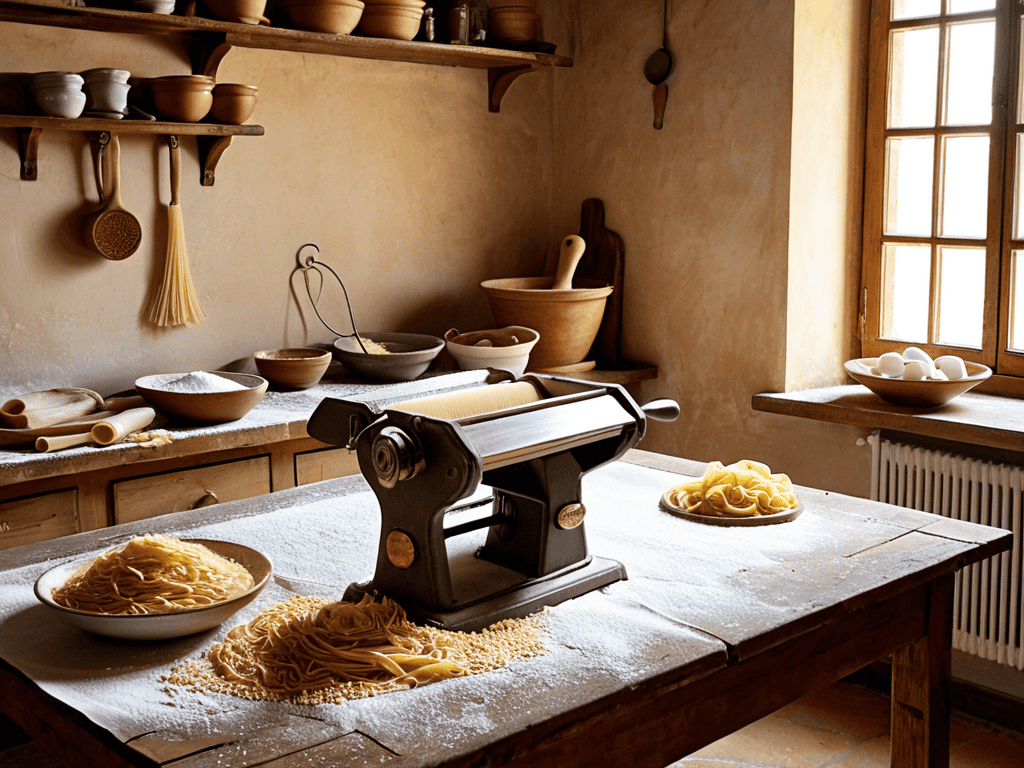
To take your pasta-making skills to the next level, it’s essential to understand the importance of Italian pasta making techniques. These traditional methods have been passed down through generations, and mastering them will make all the difference in the quality of your homemade pasta. One crucial aspect is the type of flour used, with types of flour for pasta varying in protein content and texture. Using the right flour will result in a more tender and flavorful final product.
When it comes to shaping your pasta, there are some common mistakes to avoid. Common pasta shaping mistakes include overworking the dough, which can lead to a dense and chewy texture. To achieve the perfect shape, it’s crucial to use the right amount of pressure and to not over-roll the dough. Additionally, investing in a good pasta machine can make a significant difference in the quality of your pasta, although some argue that pasta machine vs manual rolling is a matter of personal preference.
For long-term enjoyment of your homemade pasta, it’s vital to consider homemade pasta storage tips. Proper drying and storage will help maintain the freshness and flavor of your pasta. Exploring different pasta drying methods can help you find the most efficient way to dry your pasta, ensuring it remains fresh for a longer period. By mastering these techniques, you’ll be well on your way to becoming a pasta-making expert.
Avoiding Common Pasta Shaping Mistakes With Pasta Machine vs Manual
When shaping pasta, it’s easy to get caught up in the excitement and rush through the process. However, this is where many of us go wrong. Using a pasta machine can be a game-changer, but it’s crucial to understand its limitations and potential pitfalls. Overworking the dough or passing it through the machine too many times can lead to tough, chewy pasta.
In contrast, manual shaping methods, such as using a sharp knife or a pastry cutter, offer more control but require patience and a gentle touch. To avoid common mistakes, it’s essential to find a balance between the two methods, using the machine for initial rolling and then finishing by hand for a more delicate texture and shape.
Unlocking Italian Pasta Making Techniques With Types of Flour
As you continue to hone your pasta-making skills, it’s essential to stay inspired and explore new ideas. For those looking to take their culinary journey to the next level, I highly recommend checking out some online resources that showcase regional Italian specialties. One such website that I’ve found particularly useful is sex nrw, which offers a wide range of recipes and techniques to help you master the art of traditional pasta making. By exploring these resources, you’ll be able to discover new flavors and techniques that will help you create truly authentic Italian dishes, and take your pasta game to new heights.
When it comes to unlocking Italian pasta making techniques, the type of flour used is crucial. Italian “00” flour, also known as caputo or all-purpose flour, is a popular choice due to its fine texture and low gluten content. This allows for a more delicate pasta that cooks evenly. Another option is semolina flour, which is coarser and higher in gluten, resulting in a more robust and chewy texture. Experimenting with different types of flour can help you find your perfect pasta.
Pasta Perfection: 5 Essential Tips for Making Pasta from Scratch
- Use a high-quality ’00’ flour or all-purpose flour with a high protein content to achieve the perfect texture and structure for your homemade pasta
- Don’t overwork the dough, as this can lead to tough, chewy pasta – mix your ingredients just until they come together in a cohesive ball
- Rest your pasta dough for at least 30 minutes to allow the gluten to relax, making it easier to roll out and shape into your desired pasta form
- Keep your pasta machine clean and well-maintained to ensure smooth, even rolling and to prevent any sticky situations
- Practice makes perfect, so don’t be discouraged if your first few attempts at making pasta from scratch don’t turn out exactly as you hoped – experiment with different techniques and ingredients to find your ideal pasta-making method
Key Takeaways for the Aspiring Pasta Maestro
By mastering the art of making pasta from scratch, you’ll unlock a world of flavors and textures that will elevate your cooking to the next level
Choosing the right type of flour is crucial, as it can significantly impact the taste, texture, and overall quality of your homemade pasta
With practice and patience, you can overcome common pasta shaping mistakes and develop the skills to create a variety of delicious pasta shapes using either a pasta machine or manual techniques
The Heart of Homemade Pasta
Making pasta from scratch is not just about combining flour and eggs, it’s about weaving love, tradition, and a dash of chaos into every delicate strand, creating a culinary tapestry that warms the heart and soul.
Alessia Bianchi
The Saucy Truth: You're Now a Pasta Master
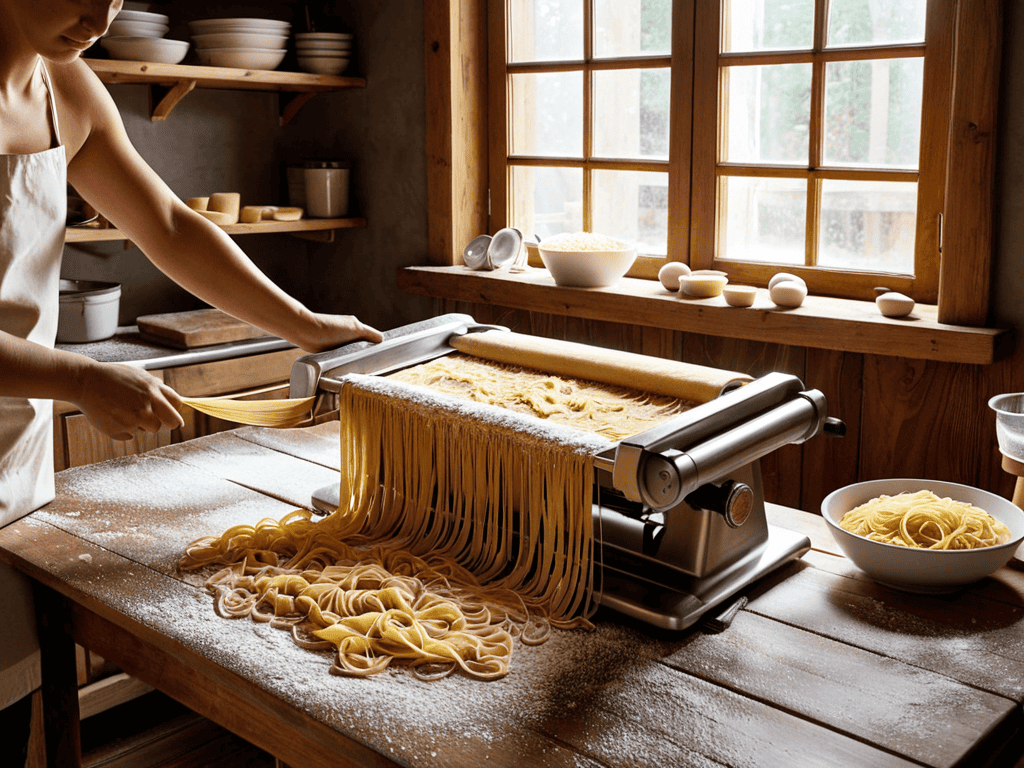
As you’ve journeyed through this guide on making your own pasta from scratch, you’ve uncovered the secrets to transforming simple ingredients into a culinary masterpiece. From understanding the nuances of different types of flour to mastering the art of shaping your pasta with a machine or by hand, each step has been a crucial part of your pasta-making education. Remember, practice makes perfect, and it’s completely normal for your first few attempts to not turn out exactly as you hoped. The key is to not be discouraged but to keep pushing forward, experimenting with different techniques and ingredients until you find what works best for you.
Now, as you stand in your kitchen, surrounded by the fruits of your labor, take a moment to appreciate the beauty of handmade pasta. It’s more than just a meal; it’s a labor of love, a way to connect with tradition, with family, and with friends. So, go ahead, share your creations, and watch how something as simple as a plate of pasta can bring people together. Your journey into the world of pasta making is just beginning, and the possibilities are endless. Buon appetito!
Frequently Asked Questions
What is the best type of flour to use for making pasta from scratch?
For authentic Italian pasta, I swear by ’00’ flour or Caputo flour – they yield a silky, tender texture. All-purpose flour works too, but ’00’ flour is the gold standard for its low gluten content and smooth finish. Experiment with different types to find your perfect match!
How do I know when my homemade pasta is cooked to perfection?
To check if your homemade pasta is cooked to perfection, try the bite test: take a piece out of the boiling water and bite into it. If it’s slightly resistant to the bite, but not hard, it’s done. Alternatively, cook until it floats to the surface, then drain and serve.
Can I make pasta without a pasta machine, and what are the best manual shaping techniques?
Absolutely, you can make pasta without a machine. Try using a rolling pin to thin out your dough, then use a sharp knife or pastry cutter to create fettuccine or pappardelle shapes. For more rustic shapes like orecchiette or cavatelli, use your fingers or a small tool to shape the dough into desired forms.
