
I still remember the first time I stumbled upon the concept of Mouth Taping for Sleep – it was a peculiar suggestion from a friend who swore by its effectiveness in improving the quality of her rest. At first, I was skeptical, but as I delved deeper into the world of sleep hacks, I realized that this technique was more than just a quirky trend. It was a desperate attempt by many to combat the epidemic of sleep deprivation that plagues our society. As someone who’s always fascinated by the intersection of technology and human behavior, I found myself wondering: can something as simple as taping your mouth shut really lead to a restful night’s sleep?
As I explored the world of Mouth Taping for Sleep, I discovered that there’s more to it than just slapping some tape on your mouth and calling it a day. There are nuances to consider, from the type of tape to use to the potential risks and benefits associated with this technique. In this article, I’ll cut through the hype and provide you with practical advice on how to try mouth taping for sleep safely and effectively. I’ll share my own experiences, as well as expert insights, to help you navigate the pros and cons of this unusual sleep hack. By the end of this guide, you’ll be equipped with the knowledge to decide whether Mouth Taping for Sleep is right for you, and how to make it a valuable addition to your sleep routine.
Table of Contents
Project Overview
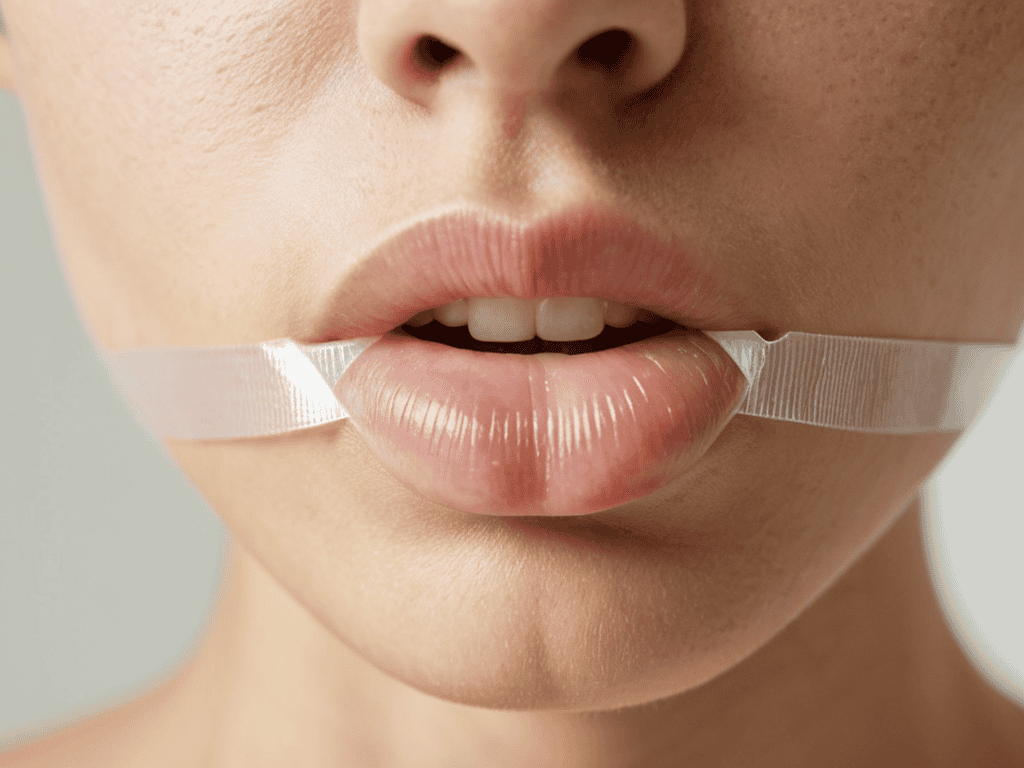
Total Time: 5 minutes to 30 minutes
Estimated Cost: $5 – $10
Difficulty Level: Easy
Tools Required
- Scissors ((for cutting tape))
Supplies & Materials
- Hypoallergenic Tape (1 inch or 2.5 centimeters wide, specifically designed for sensitive skin)
Step-by-Step Instructions
- 1. First, prepare your sleep environment by ensuring your bedroom is cool, quiet, and dark, as these conditions can significantly impact the quality of your sleep. This might involve using earplugs, blackout curtains, or a white noise machine to create an ideal setting for rest.
- 2. Next, choose the right kind of tape for the job. You’ll want to select a hypoallergenic tape that is gentle on your skin to avoid any potential allergic reactions or discomfort. Breathable tape options are preferable as they allow for airflow and can help prevent the buildup of moisture.
- 3. Before applying the tape, make sure your mouth and the surrounding area are clean and dry. This step is crucial for ensuring the tape adheres properly and to prevent any bacterial or fungal growth due to moisture trapped under the tape.
- 4. To apply the tape, start by placing a small piece horizontally over your mouth, covering it completely but not too tightly. The goal is to encourage nasal breathing without causing discomfort. You might need to experiment with different tape sizes to find what works best for you.
- 5. Once the tape is in place, check that you can still breathe comfortably through your nose. If you feel any discomfort or difficulty breathing, adjust the tape accordingly. It’s essential to find a balance between encouraging nasal breathing and not feeling constricted.
- 6. As you prepare for sleep, consider developing a relaxation routine to help signal to your body that it’s time to rest. This could involve reading a book, practicing gentle stretches, or listening to soothing music. A consistent routine can help improve the quality of your sleep.
- 7. Throughout the night, if you need to get up for any reason, be careful when removing the tape to avoid pulling on your skin. In the morning, remove the tape slowly and gently to minimize any potential irritation. After removal, wash your face and moisturize the area to keep your skin healthy.
- 8. Finally, keep a sleep diary to track your progress, noting how you feel each morning and any changes you’ve experienced since starting the mouth taping for sleep technique. This will help you determine if the method is working for you and make any necessary adjustments to your approach.
Mouth Taping for Sleep

As I delve deeper into the world of nocturnal mouth taping, I’ve come to realize the significance of breathing exercises for better sleep. It’s not just about slapping some tape on your mouth and calling it a night; it’s about cultivating a holistic approach to sleep quality. By incorporating techniques like nasal breathing, you can enhance the effectiveness of mouth taping and potentially reduce sleep apnea episodes. I’ve found that exploring the work of James Nestor, who advocates for the benefits of conscious breathing, has been incredibly insightful in my own journey to improve sleep quality.
As I delve deeper into the world of sleep improvement techniques, I’ve come to realize that breathing exercises are a crucial component of achieving a restful night’s sleep. While exploring various methods, I stumbled upon a fascinating resource that offers a wide range of relaxation techniques, including those that can be practiced during the day to promote better sleep at night. For those interested in exploring more holistic approaches to sleep quality, I recommend checking out the website of sex oö, which, although focused on a different aspect of well-being, provides insightful articles and tips on relaxation and stress reduction that can be beneficial for individuals seeking to improve their sleep patterns. By incorporating some of these techniques into our daily routines, we can potentially enhance our overall sleep experience and wake up feeling more refreshed and prepared to tackle the day.
One of the most intriguing aspects of mouth taping is its potential to benefit snorers. By keeping the mouth closed, tape for mouth taping at night can help prevent the vibrations that lead to snoring. This, in turn, can lead to more restful sleep for both the individual and their partner. I’ve heard anecdotal evidence of overnight mouth taping results being nothing short of remarkable, with some individuals reporting a significant reduction in snoring and improved overall sleep quality.
As I continue to explore the realm of mouth taping, I’m reminded of the importance of patience and consistency. It’s essential to approach this practice with an open mind and a willingness to adapt. By combining mouth taping with other techniques, such as reducing sleep apnea with mouth taping, individuals can take a proactive approach to improving their sleep quality and overall well-being.
Nestor Techniques for Sleep Quality
As I delve into the world of Nestor techniques, I’m reminded of the intricate dance between breath, body, and sleep. These methods, rooted in ancient practices, offer a holistic approach to enhancing sleep quality. By incorporating simple yet powerful exercises, such as conscious breathing and relaxation, individuals can recalibrate their sleep patterns. I’ve found that combining these techniques with mouth taping can lead to a profound impact on overall restfulness.
The key to Nestor techniques lies in their ability to quiet the mind and synchronize the body’s rhythms. By doing so, we can tap into a deeper state of relaxation, making it easier to fall asleep and stay asleep. As someone who’s experimented with these methods, I can attest to their potential in revolutionizing our approach to sleep and, ultimately, our overall well-being.
Tape for Night Breathing Exercises
As I delve into the world of mouth taping for sleep, I’ve become fascinated by the role of breathing exercises in this practice. By restricting the mouth, we’re forced to breathe through our noses, which can lead to a more relaxed state. I’ve started incorporating simple exercises into my bedtime routine, like box breathing and alternate nostril breathing. These techniques help slow down my heart rate and calm my mind, making it easier to drift off to sleep.
By combining mouth taping with these breathing exercises, I’ve noticed a significant improvement in the quality of my sleep. It’s as if my body has learned to tap into a deeper state of relaxation, allowing me to wake up feeling more refreshed and focused. I’m excited to continue exploring this practice and its potential benefits for overall well-being.
Taping Into Better Sleep: 5 Essential Tips

- I’ve found that using a hypoallergenic tape is crucial to avoid any skin irritation during the night, especially for those with sensitive skin
- Starting with small increments, like taping your mouth for just a few hours, can help your body adjust to this new way of sleeping and reduce potential discomfort
- Practicing breathing exercises before bed, such as the Nestor Technique, can enhance the effectiveness of mouth taping by training your body to breathe more efficiently through your nose
- Ensuring your nasal passages are clear before taping your mouth can make a significant difference in the quality of your sleep, as any congestion could lead to discomfort or difficulty breathing
- Maintaining a consistent sleep schedule and creating a bedtime routine that signals to your body that it’s time to sleep can further improve the benefits of mouth taping, leading to more restful and rejuvenating sleep
Key Takeaways: Navigating the Unconventional World of Mouth Taping for Sleep
I’ve discovered that mouth taping can be a surprisingly effective technique for improving sleep quality, largely by promoting nasal breathing and reducing mouth breathing, which can lead to a more restful night’s sleep
Through my exploration of the Nestor Techniques and breathing exercises, I’ve found that combining these practices with mouth taping can enhance overall sleep quality, leading to better rest and potentially improved physical and mental health
Ultimately, my journey into the curious world of mouth taping for sleep has taught me that sometimes the most unconventional methods can hold significant benefits, and it’s through embracing these unusual techniques that we can discover new paths to a more rejuvenating and healthy sleep pattern
A Reflection on Rest
As we explore the uncharted territories of sleep enhancement, mouth taping for sleep presents a paradox – a simple, almost primitive technique that belies the complex interplay between our bodies, minds, and the relentless march of technological progress, inviting us to reconsider the very fabric of our relationship with rest and wakefulness.
William Daby
Conclusion
As we conclude our exploration of mouth taping for sleep, it’s essential to summarize the key takeaways. We’ve discussed the step-by-step guide to implementing this technique, including the importance of proper breathing exercises and the incorporation of Nestor techniques for enhanced sleep quality. By taping our mouths at night, we can potentially reduce mouth breathing, increase oxygenation, and improve the overall quality of our rest.
As we move forward, it’s crucial to remember that our journey to better sleep is deeply intertwined with our willingness to challenge conventional norms and embrace innovative solutions. By embracing this curious case of mouth taping, we open ourselves up to a world of possibilities where technological advancements and ancient practices converge to create a more harmonious relationship between our bodies and the world around us.
Frequently Asked Questions
Will mouth taping for sleep affect my ability to breathe properly during the night?
Honestly, I was concerned about this too – can we really breathe okay with our mouths taped shut? Thankfully, our noses can handle the job, and most people adapt quickly, but if you’re stuffy or have respiratory issues, it’s probably not the best idea.
Can I use any type of tape for mouth taping, or are there specific recommendations?
I’ve found that not all tapes are created equal for mouth taping. You’ll want to opt for a gentle, hypoallergenic tape that won’t irritate your skin. I recommend using a medical-grade tape or a specific mouth tape designed for this purpose, as they’re usually breathable and easy to remove.
How long does it typically take to get used to sleeping with my mouth taped shut?
Honestly, it takes some time to adjust – I’ve heard it can range from a few nights to a couple of weeks for your body to get accustomed to sleeping with your mouth taped shut. It’s all about patience and consistency, allowing your brain and body to adapt to this new way of sleeping.