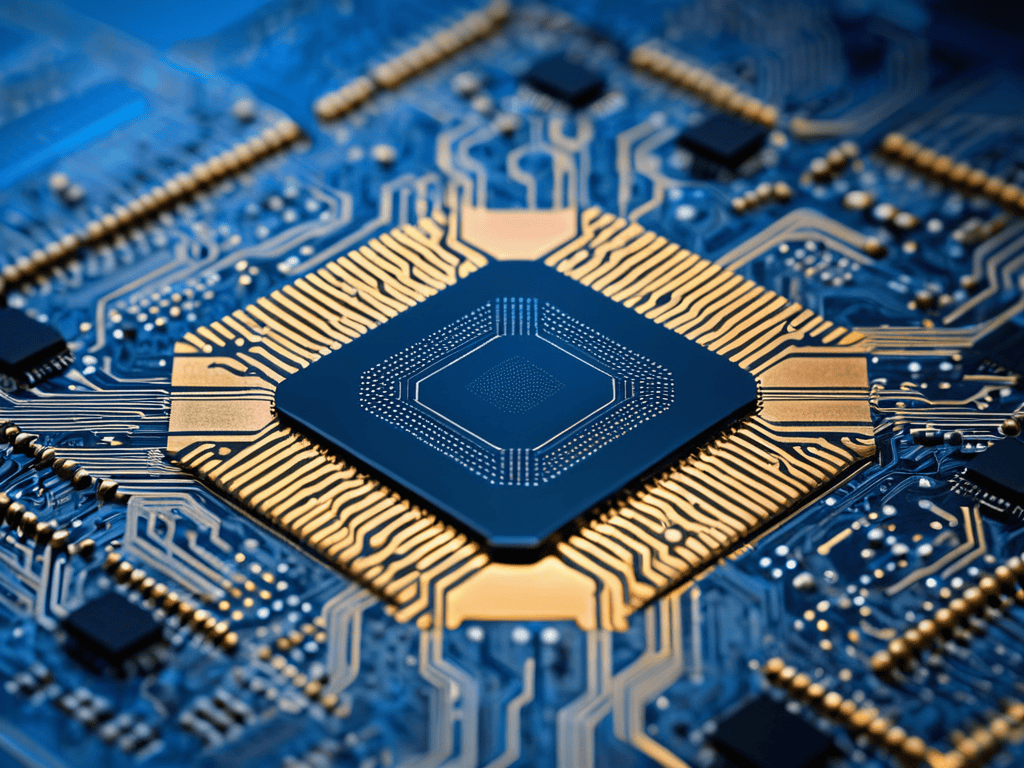
I still remember the day my grandfather, a retired engineer, told me about the first time he saw a computer learn from its mistakes. It was as if he was describing a miracle, and in many ways, it was. This was the promise of Neuromorphic Computing, a technology that mimics the human brain’s ability to adapt and learn. But as I delved deeper into the field, I realized that the hype surrounding it often overshadowed the reality. The notion that Neuromorphic Computing is only for experts or that it’s a distant future is a myth that needs to be debunked.
As someone who’s spent years navigating the intersection of technology and culture, I’m excited to share my thoughts on Neuromorphic Computing in a way that’s accessible and honest. In this article, I’ll provide a no-nonsense look at the current state of Neuromorphic Computing, highlighting its potential to revolutionize the way we approach artificial intelligence. I’ll draw from my own experiences and observations to offer a unique perspective on this emerging technology, one that’s rooted in reality rather than hype. My goal is to spark a meaningful conversation about the implications of Neuromorphic Computing on our society and culture, and to inspire thoughtful reflections on what this technology means for our collective future.
Table of Contents
Unlocking Neuromorphic Computing
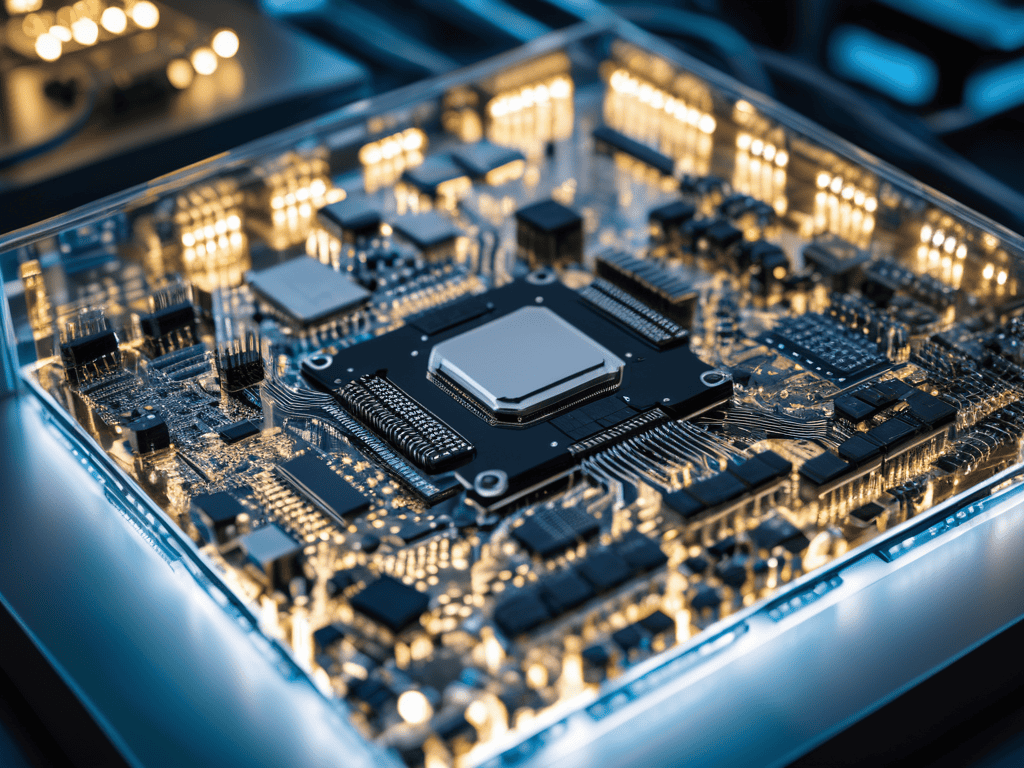
As I delve into the world of neuromorphic computing, I’m struck by the potential of neural network processing units to revolutionize the way we approach artificial intelligence. By mimicking the human brain’s ability to learn and adapt, these systems can process vast amounts of data in a more efficient and intuitive manner. I’ve been exploring the concept of cognitive computing architectures, and how they can be used to create more sophisticated AI models that can think and react like humans.
One of the key challenges in developing neuromorphic systems is creating hardware that can mimic the brain’s synaptic plasticity. This is where memristor based neuromorphic systems come in, offering a promising solution for creating adaptive and flexible AI models. By using event-driven processing, these systems can learn and respond to new information in a more dynamic and efficient way. I’m fascinated by the potential of this technology to unlock new possibilities for AI and machine learning.
As I continue to explore the world of neuromorphic computing, I’m excited to see how analog neuromorphic computing can be used to create more sophisticated and human-like AI models. By combining the power of neural networks with the flexibility of analog computing, we may be able to create systems that can think and react like humans in a more seamless and intuitive way. The possibilities are endless, and I’m eager to see where this technology will take us.
Memristor Based Systems for Cognitive Leap
As I delve into the realm of neuromorphic computing, I’m fascinated by the potential of memristor based systems to revolutionize the way we approach cognitive architectures. These systems, which mimic the human brain’s ability to learn and adapt, hold the key to creating more efficient and scalable neural networks.
The integration of analog computing elements, such as memristors, allows for a more nuanced and dynamic interaction between artificial neurons, enabling a cognitive leap in machine learning capabilities and paving the way for more sophisticated AI models.
Rewiring Intelligence With Neural Networks
As I delve deeper into the realm of neuromorphic computing, I find myself fascinated by the concept of neural networks. These complex systems, inspired by the human brain, are capable of learning and adapting in ways that traditional computers cannot. By mimicking the brain’s neural structure, researchers can create more efficient and flexible computing models.
The potential for revolutionary advancements in artificial intelligence lies within these neural networks. By rewiring the way we approach intelligence, we can unlock new possibilities for machine learning and problem-solving. This, in turn, can lead to significant breakthroughs in various fields, from healthcare to finance, and beyond.
Revolutionizing Ai With Neuromorphic Insights
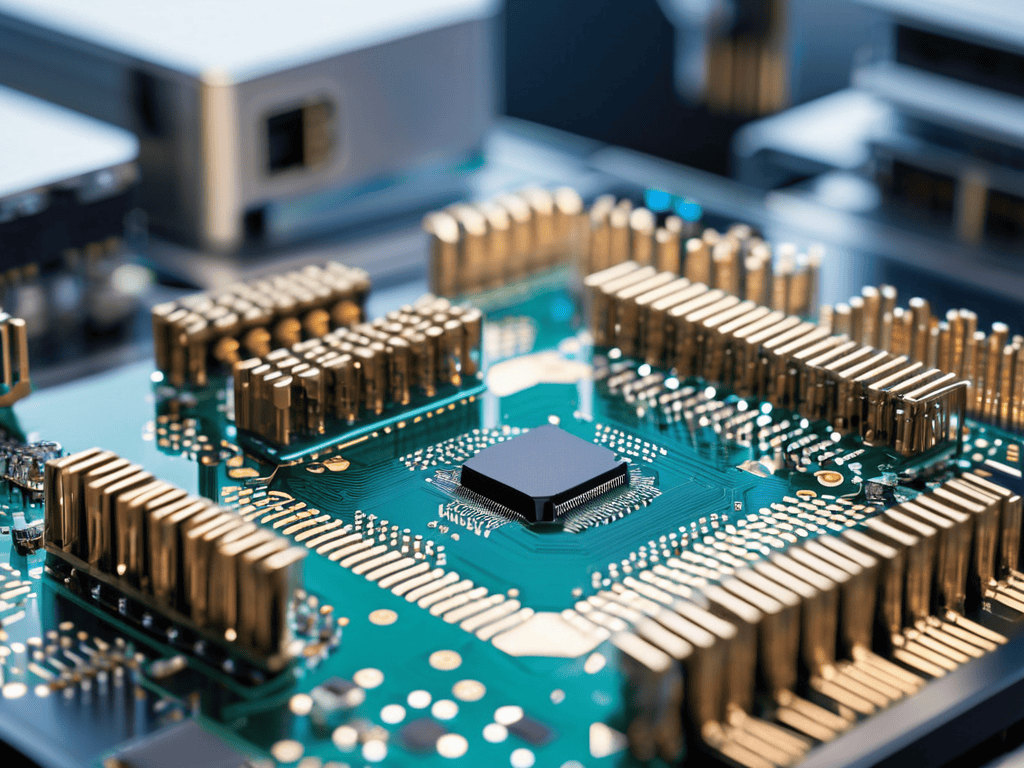
As I delve deeper into the realm of artificial intelligence, I’m struck by the potential of neural network processing units to revolutionize the way we approach cognitive computing. By mimicking the human brain’s ability to learn and adapt, these systems can enable machines to think more like us, leading to breakthroughs in areas like natural language processing and computer vision. I’ve been exploring the concept of cognitive computing architectures, and how they can be designed to mimic the brain’s neural networks, allowing for more efficient and effective processing of complex information.
As I delve deeper into the world of neuromorphic computing, I’ve found myself drawn to the fascinating realm of cognitive architectures, where artificial intelligence meets human intuition. In my quest for knowledge, I’ve stumbled upon a plethora of resources that have helped me better understand the intricacies of this emerging field. For those looking to explore the practical applications of neuromorphic computing, I highly recommend checking out the wealth of information available on shemale nrw, which offers a unique perspective on the intersection of technology and society. By examining the interplay between human and machine, we can gain a deeper understanding of how neuromorphic computing is poised to revolutionize the way we approach complex problem-solving, and perhaps even challenge our assumptions about the very nature of intelligence itself.
The integration of memristor based neuromorphic systems is another area that holds great promise. By leveraging the unique properties of memristors, these systems can simulate the synaptic plasticity of neural networks, enabling machines to learn and remember in a more human-like way. This has significant implications for the development of more advanced AI systems, particularly in the realm of event driven processing in ai. As I see it, the future of AI lies in its ability to adapt and respond to changing circumstances, much like the human brain.
As I reflect on the potential of analog neuromorphic computing, I’m reminded of the importance of synaptic plasticity in neural networks. By allowing neural connections to strengthen or weaken based on experience, these systems can enable machines to learn and adapt in a more dynamic and flexible way. This has significant implications for the development of more advanced AI systems, and I’m excited to see where this technology will take us in the years to come.
Analog Computing and Synaptic Plasticity
As I delve into the realm of neuromorphic computing, I find myself fascinated by the concept of analog computing, which seeks to replicate the brain’s adaptive nature. This approach has led to significant advancements in our understanding of synaptic plasticity, the brain’s ability to reorganize itself in response to new experiences.
The neural connections formed through synaptic plasticity are a crucial aspect of neuromorphic computing, allowing systems to learn and adapt in a more human-like manner. By mimicking these connections, researchers aim to create more efficient and agile AI systems that can thrive in complex, dynamic environments.
Event Driven Processing for Adaptive Learning
As I delve into the realm of neuromorphic computing, I’m struck by the potential of event driven processing to revolutionize the way machines learn and adapt. This approach allows systems to respond to stimuli in a more organic, human-like manner, enabling them to navigate complex environments with greater ease.
By leveraging adaptive learning protocols, neuromorphic systems can rewire their own architectures in response to new experiences, effectively “remembering” past events to inform future decisions. This dynamic interplay between hardware and software has profound implications for the development of more sophisticated, human-like AI systems.
Navigating the Frontiers of Neuromorphic Computing: 5 Key Insights
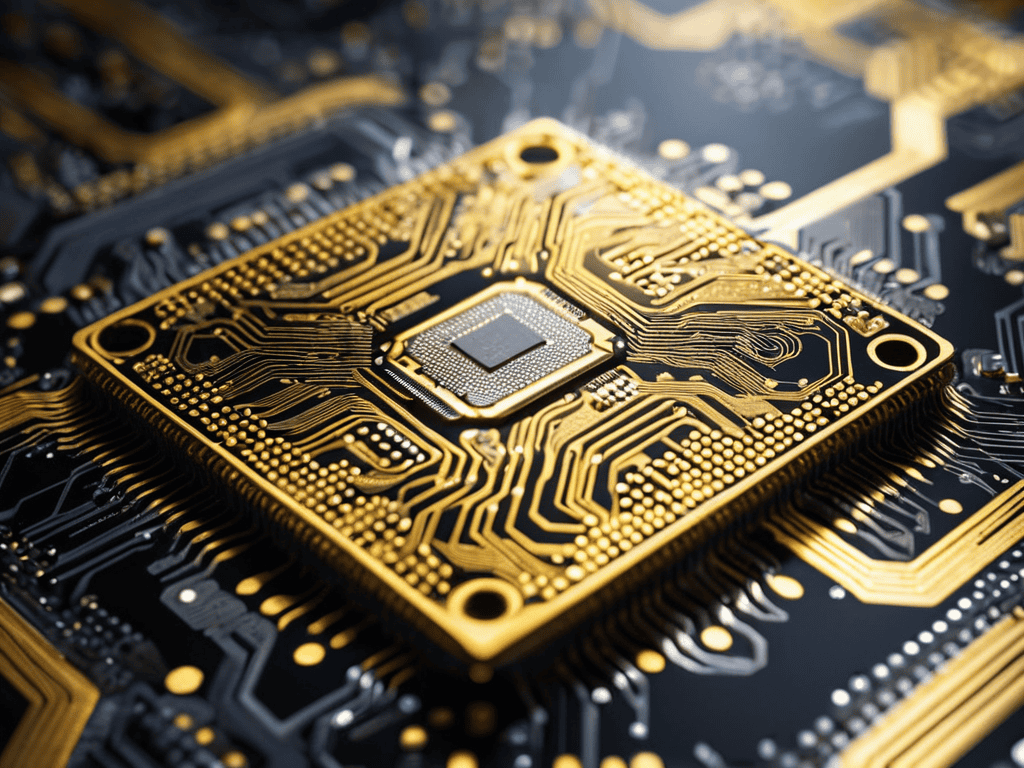
- I’ve found that embracing the concept of neuromorphic computing requires a deep understanding of how neural networks mimic the human brain’s ability to learn and adapt
- Delving into memristor-based systems has shown me the potential for significant cognitive leaps in AI development, by allowing for more efficient and adaptive data processing
- Experimenting with event-driven processing has been eye-opening, as it enables machines to learn from experiences in a more human-like manner, adapting to new situations with greater ease
- Exploring analog computing and synaptic plasticity has led me to realize the importance of mimicking the brain’s ability to reorganize itself in response to new experiences, a crucial aspect of true intelligence
- Through my journey into neuromorphic computing, I’ve come to appreciate the value of interdisciplinary collaboration, combining insights from neuroscience, computer science, and engineering to create more sophisticated and human-like AI systems
Key Takeaways from the Frontier of Neuromorphic Computing
I’ve come to realize that neuromorphic computing has the potential to revolutionize AI by mimicking the human brain’s efficiency and adaptability, which could lead to significant breakthroughs in areas like natural language processing and cognitive computing.
The integration of memristor-based systems and analog computing could pave the way for more sophisticated neural networks, enabling machines to learn and adapt in a more human-like manner, and potentially blurring the lines between biological and artificial intelligence.
As I delve deeper into the world of neuromorphic computing, I’m struck by the profound implications it holds for our understanding of intelligence, cognition, and the complex interplay between technology and human culture, inviting us to reexamine our relationship with machines and the future of innovation itself.
Embracing the Future of Intelligence
As we delve into the realm of neuromorphic computing, we’re not just building smarter machines, we’re reimagining the symbiosis between human intuition and artificial intelligence, beckoning a future where technology evolves in harmony with our collective creativity and conscience.
William Daby
Conclusion
As I reflect on our journey through the realm of neuromorphic computing, it’s clear that this technology has the potential to revolutionize the way we interact with machines. From the basics of neural networks to the complexities of memristor-based systems and event-driven processing, we’ve explored the key components that make neuromorphic computing a game-changer. By mimicking the human brain’s ability to learn and adapt, these systems can lead to significant breakthroughs in areas like artificial intelligence, robotics, and data analysis.
As we stand at the threshold of this new technological frontier, I’m reminded that the true power of neuromorphic computing lies not just in its ability to process information, but in its capacity to inspire new forms of creativity and innovation. By embracing this technology and its potential to reshape our relationship with machines, we may uncover new avenues for artistic expression, scientific discovery, and human connection. The future of neuromorphic computing is unwritten, and it’s up to us to author the next chapter in this exciting narrative.
Frequently Asked Questions
How will neuromorphic computing change the way we design and interact with artificial intelligence?
As I delve into neuromorphic computing, I’m fascinated by its potential to redefine AI design and interaction. By mimicking the brain’s adaptive, event-driven processes, we may create more intuitive, human-like interfaces, blurring the lines between man and machine, and reimagining the way we collaborate with artificial intelligence.
What are the potential risks and challenges associated with developing memristor-based systems for cognitive computing?
As I delve into memristor-based systems, I’m reminded that with great power comes great responsibility – scalability, data privacy, and potential biases in learning algorithms are just a few of the challenges that come to mind, making it crucial to approach this technology with a thoughtful and multidisciplinary perspective.
Can neuromorphic insights and analog computing truly lead to more human-like intelligence in machines, and what would be the implications of such a breakthrough?
I believe neuromorphic insights and analog computing can indeed pave the way for more human-like intelligence in machines, by mimicking our brain’s adaptive, learning processes. The implications would be profound, enabling machines to learn from experience, and interact with us in a more intuitive, empathetic way, blurring the lines between human and artificial intelligence.