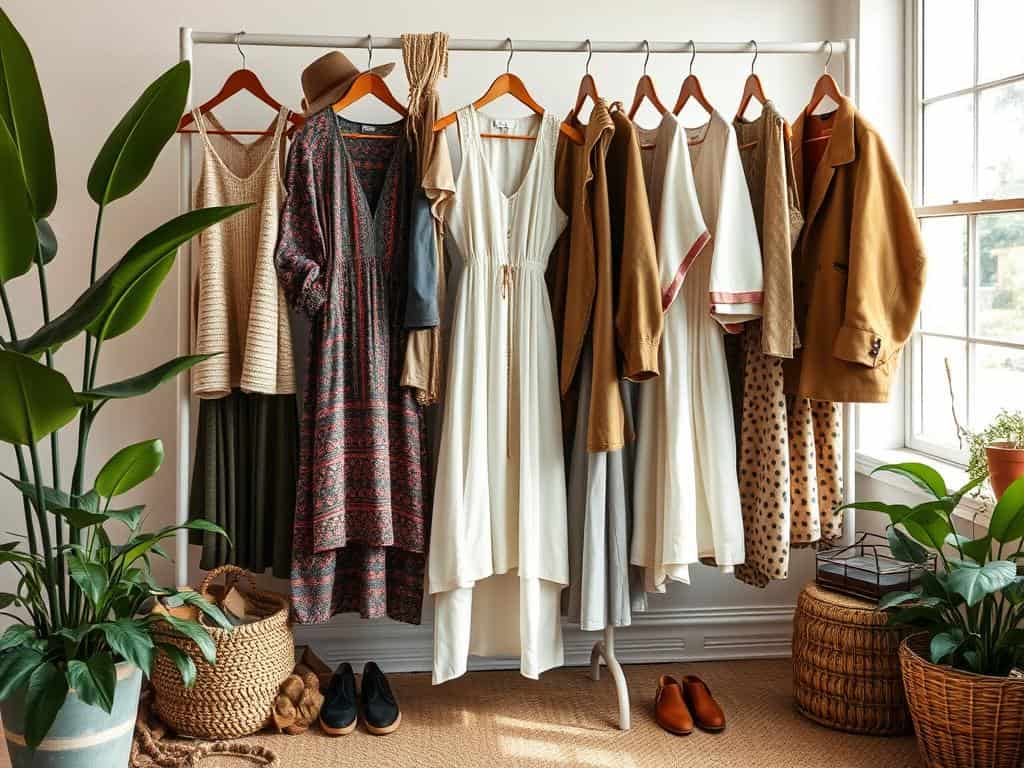
Did you know 80% of our clothes go unworn? This shows how much unused clothing contributes to waste. As we learn more about sustainable fashion, making our wardrobes eco-friendly is key. Choosing ethical fashion is more than a trend; it’s a way to consume responsibly and help our planet.
By choosing sustainable style, I can lessen my impact on the environment. I can also support brands that make clothes ethically. This journey requires learning, dedication, and thinking carefully about how we shop and care for clothes. Together, we can make fashion more sustainable.
Key Takeaways
- Understanding the impact of clothing choices can lead to better habits.
- Investing in quality garments can reduce the frequency of purchases.
- Researching sustainable brands like Patagonia and Tentree is important.
- Emphasizing versatile fashion can maximize wardrobe usage.
- Repairing clothes promotes a circular economy in fashion.
Understanding Sustainable Fashion
The fashion world has a big impact on our planet. It’s key to grasp the ideas behind sustainable fashion. A sustainable wardrobe shows we care about the environment. It’s all about buying clothes that last, not just for a season.
This way of thinking means we value quality over how many pieces we have. It’s a move away from the fast fashion trend of buying and throwing away clothes all the time.
Definition of a Sustainable Wardrobe
A sustainable wardrobe is all about keeping clothes for years. It’s about choosing items that are made to last. This means picking ethical clothing made from materials that are good for the planet.
When we buy clothes, we should think about where they come from. We should look for brands that care about the environment. This helps reduce waste and makes clothes last longer.
The Importance of Sustainable Fashion
Sustainable fashion is very important. It’s known that making clothes is a big source of carbon emissions. We need to make better choices to help the planet.
By choosing sustainable clothes, we help the environment and support fair work conditions. This also helps the economy. As more people think about what they buy, brands are starting to change too. They’re finding new ways to make fashion better for everyone.
Steps to Building an Eco-Friendly Wardrobe
Creating an eco-friendly wardrobe means making choices that are good for the planet and your style. By choosing high-quality clothes, sustainable brands, and versatile pieces, I can lessen my environmental impact. This way, I get to enjoy a stylish and tailored closet.
Invest in High-Quality Clothing
Buying high-quality clothes is key to being sustainable. Clothes made to last can be worn for years, saving money in the long run. The idea “buy nice or buy twice” really hits home, showing how important it is to pick items carefully.
By wearing clothes more often and taking good care of them, I can cut their environmental impact by up to 75%. This approach helps me avoid the fast fashion trap.
Research Sustainable Brands
I always look for sustainable brands to support my green goals. Companies like Patagonia and Pact Apparel lead the way in ethical fashion. I use social media to connect with these brands and learn about their eco-friendly practices.
This way, I can make sure my purchases match my values and help the planet.
Embrace Versatile Fashion Choices
Choosing versatile fashion helps my wardrobe last longer. By picking items that work for different seasons and events, I don’t need to shop as much. For example, Merino wool clothes are great because they’re both versatile and eco-friendly.
A Merino wool sweater can be worn many times before needing a wash. This makes it even more appealing and reduces its environmental impact. By making smart choices, I create a wardrobe that’s both sustainable and stylish, reducing the need to buy more.
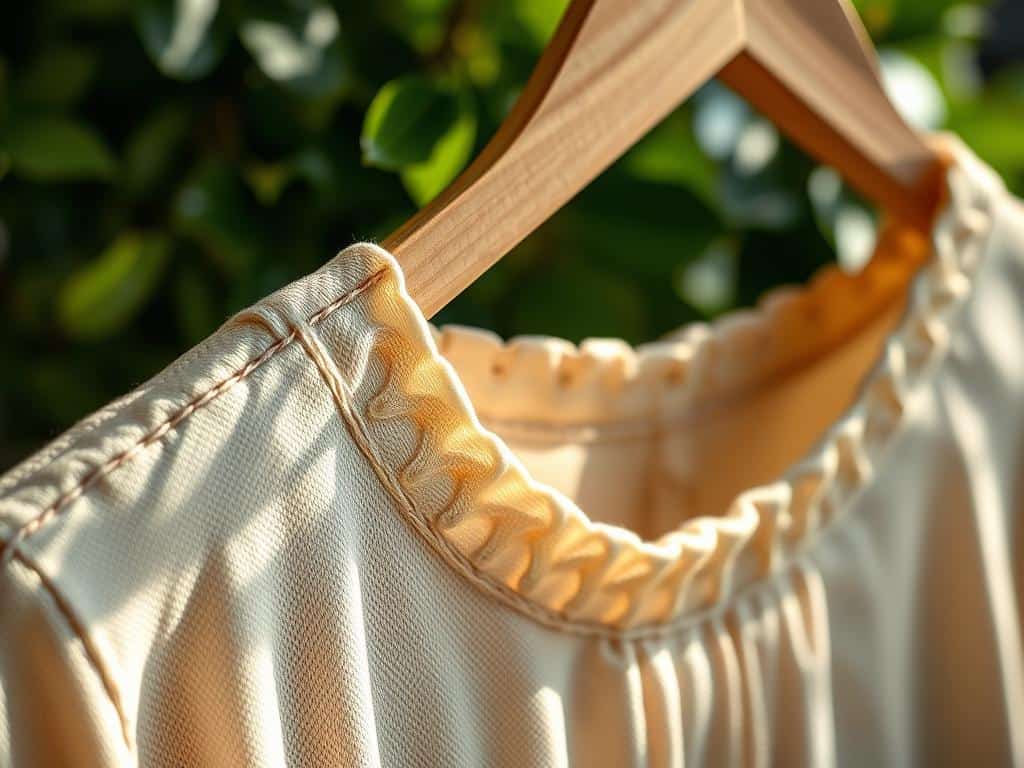
Sustainable Fashion: Changing Your Shopping Habits
Changing how I shop is key to having an eco-friendly wardrobe. I start by checking my clothes before buying new ones. This helps me see what I need and avoid buying too much.
Knowing exactly what I need helps me make better choices. It’s about being more thoughtful with my purchases.
Assess Your Wardrobe Before Shopping
Before buying, I check if I already have similar items. This stops me from buying things I don’t need. It makes me think more about what I’m buying.
Looking at what I already have helps me see my clothes in a new way. It also helps me plan outfits I might have forgotten about.
Apply the 30 Wears Test
Then, I use the 30 Wears Test. It’s a rule to see if I’ll wear something at least 30 times. This rule helps me buy clothes that last, not just for a season.
It’s a simple way to make sure I’m buying clothes that are worth it. It helps me choose items that will be in my wardrobe for a long time.
Repair and Care for Your Clothes
Fixing clothes instead of throwing them away is important to me. Small fixes can make my favorite clothes last longer. Whether it’s a seam or a button, I enjoy making my clothes last.
I also make sure to take good care of my clothes. This way, they stay in great shape for years.
Conclusion
Choosing sustainable fashion is more than a trend; it’s a big change in how we live. The fashion world is a big polluter, causing 10% of global carbon emissions and 20% of water pollution. My journey shows we need to live more eco-friendly.
Buying quality clothes that lasts and supporting brands like Sittingsuits helps us all. It’s about changing how we shop. This way, we can make a difference in how we consume.
Every time I make a smart choice, I help reduce the fashion industry’s waste. Millions of tons of clothes end up in landfills or burned each year. My choices can inspire others to do the same.
Sittingsuits uses recycled materials and supports fair labor. This shows sustainable fashion can be stylish and meaningful. It shows my dedication to making better choices.
My journey shows sustainable fashion can really make a difference. It’s good for the planet and for people. I want to encourage others to choose sustainable fashion too.
Together, we can make a big change. We can show our style and care for the planet at the same time. It’s a shared goal for a healthier world.
