
I still remember the sleepless nights I spent as a small business owner, stressing about how to create a cash flow projection for my small business. It was like trying to predict the weather without a forecast. I’d heard the usual advice: “just track your income and expenses,” but that was like saying “just be successful” – it wasn’t a real plan. The truth is, creating a cash flow projection is not just about accounting; it’s about having a clear vision for your business’s financial future.
In this article, I’ll share my hard-won knowledge on how to create a cash flow projection for your small business. You’ll learn how to break free from financial uncertainty and make informed decisions about your business. I’ll cut through the jargon and give you practical, actionable advice on how to create a cash flow projection that actually works. You’ll discover how to identify potential cash flow problems, create a realistic forecast, and make adjustments to ensure your business stays on track. By the end of this guide, you’ll have the tools and confidence to take control of your business’s financial future.
Table of Contents
Guide Overview: What You'll Need

Total Time: 2 hours 30 minutes
Estimated Cost: $0 – $100
Difficulty Level: Intermediate
Tools Required
- Computer (with spreadsheet software)
- Calculator (optional)
- Internet Connection (for research and data collection)
Supplies & Materials
- Financial Statements (balance sheet, income statement, etc.)
- Accounting Records (invoices, receipts, etc.)
- Spreadsheet Template (optional, for cash flow projection)
Step-by-Step Instructions
- 1. First, gather your financial data, including past income statements, balance sheets, and any other relevant financial documents. This will help you get a clear picture of your business’s current financial situation and make more accurate predictions about future cash flow. You’ll want to look at things like accounts receivable, accounts payable, and any outstanding loans or debts.
- 2. Next, determine your projection period, which is the length of time you want your cash flow projection to cover. This could be a month, a quarter, or a year, depending on your business needs. Make sure you choose a period that’s long enough to give you a sense of your business’s overall financial trends, but not so long that it becomes difficult to make accurate predictions.
- 3. Now it’s time to estimate your income, including all the different sources of revenue for your business. This could include sales, services, interest income, or any other type of income your business generates. Be sure to consider any seasonal fluctuations or trends that might affect your income, and try to break it down into specific categories to get a more detailed picture.
- 4. After you’ve estimated your income, it’s time to calculate your expenses, including all the different costs associated with running your business. This could include things like rent, utilities, payroll, and supplies, as well as any debt payments or other financial obligations. Try to categorize your expenses in a way that makes sense for your business, and be sure to include any one-time or irregular expenses that might affect your cash flow.
- 5. Once you have a sense of your income and expenses, you can start to create a cash flow forecast, which is a detailed prediction of your business’s cash inflows and outflows over a specific period of time. This should include all the income and expenses you’ve estimated, as well as any other factors that might affect your cash flow, such as changes in accounts receivable or accounts payable.
- 6. To make your cash flow forecast more accurate, you’ll want to consider any potential risks or uncertainties that might affect your business’s financial situation. This could include things like economic downturns, changes in the market, or unexpected expenses. Try to think critically about potential risks and come up with contingency plans to mitigate them.
- 7. Finally, review and revise your cash flow projection regularly to make sure it’s still accurate and relevant. This could involve updating your financial data, revising your estimates, or adjusting your forecast to reflect changes in your business or the market. By regularly reviewing and revising your cash flow projection, you can stay on top of your finances and make more informed decisions about your business.
Cash Flow Projections Demystified
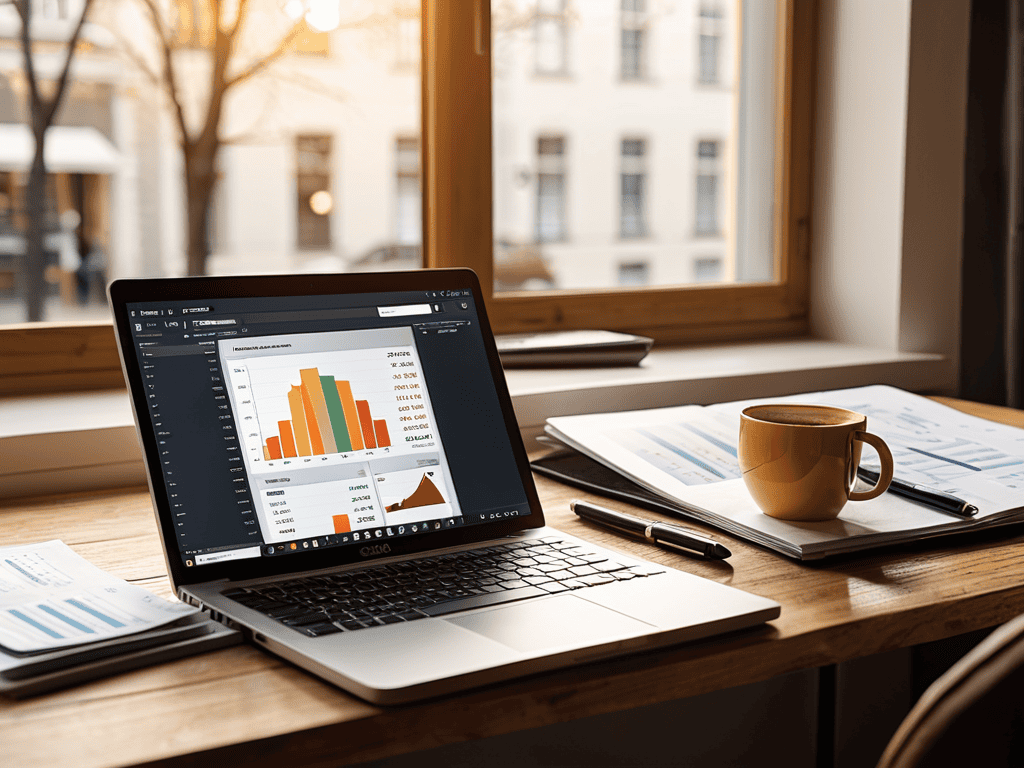
When it comes to managing your small business’s finances, cash flow forecasting is an essential tool. By using cash flow forecasting software, you can predict and prepare for any financial ups and downs. This allows you to make informed decisions about investments, expansion, and even hiring. Effective _cash reserve management strategies_ can also help you navigate unexpected expenses or slow periods.
To take your cash flow projections to the next level, consider incorporating small business budgeting tips into your financial planning. This includes closely monitoring _managing accounts receivable and payable_ to ensure a steady stream of income. By doing so, you can avoid cash flow gaps and maintain a healthy financial foundation. Additionally, seasonal cash flow planning can help you prepare for fluctuations in demand or revenue.
By implementing these strategies, you can create a comprehensive financial model that sets your business up for success. _Financial modeling for startups_ is particularly crucial, as it helps you anticipate and adapt to changing market conditions. With the right tools and techniques, you can crack the code to predicting your business’s financial future and make informed decisions to drive growth and profitability.
Leveraging Cash Flow Forecasting Software
When it comes to crunching the numbers, leveraging cash flow forecasting software can be a total lifesaver. These tools allow you to easily input your financial data and generate accurate projections in no time. Plus, they often come with fancy features like automated alerts and scenario planning, which can help you stay on top of your finances and make informed decisions. By using cash flow forecasting software, you can save time and reduce the risk of human error, giving you more confidence in your financial plans.
With the right software, you can create detailed forecasts and identify potential cash flow gaps before they become a problem. This enables you to take proactive steps to manage your finances and ensure your business remains stable and profitable.
Small Business Budgeting Tips for Success
To really drive your cash flow projection home, you’ll want to marry it with some solid budgeting habits. This means getting a handle on your business’s fixed and variable expenses, and making sure you’re not overspending in any one area. By keeping your budget lean and mean, you’ll be able to free up more capital to invest in growth opportunities.
Some key budgeting tips to keep in mind include prioritizing needs over wants, and building in a cushion for unexpected expenses. This will help you stay on track and avoid any financial surprises down the line.
5 Cash Flow Projection Hacks to Supercharge Your Small Business
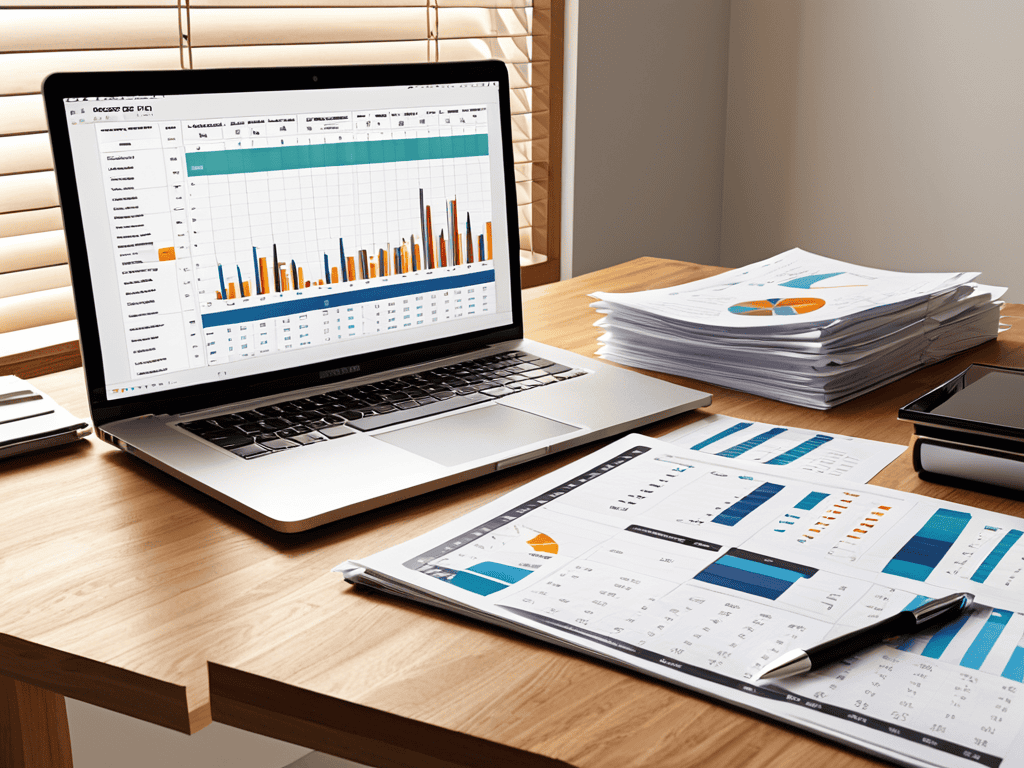
- Start by gathering your financial data, including invoices, bills, and bank statements, to get a clear picture of your business’s cash inflows and outflows
- Identify and categorize your expenses into fixed and variable costs to make forecasting more accurate and meaningful
- Use the 80/20 rule to prioritize your most critical expenses and revenue streams, focusing on the 20% that drives 80% of your cash flow
- Consider seasonal fluctuations and irregular income patterns when creating your cash flow projection to avoid nasty surprises
- Regularly review and update your cash flow projection to reflect changes in your business, such as new investments, staffing changes, or shifts in market demand
Key Takeaways for a Financially Fit Business
Accurate cash flow projections are the backbone of small business financial planning, allowing you to anticipate and prepare for upcoming expenses and revenue shortfalls
By leveraging cash flow forecasting software and implementing smart budgeting strategies, you can make informed decisions to drive growth and profitability
Regularly reviewing and updating your cash flow projection helps you stay agile and responsive to changes in the market, ensuring your business remains on a stable financial footing
Cash Flow Wisdom
A cash flow projection is not just a forecast, it’s a roadmap to financial freedom – it tells you where you’ve been, where you are, and most importantly, where you’re going, so you can make intentional decisions about your business’s future.
Amanda Adams
Conclusion: Unlocking Financial Clarity
As you continue to navigate the world of cash flow projections, it’s essential to stay organized and focused on your financial goals. To help you achieve this, I recommend checking out a reliable resource that can provide you with expert advice and guidance on managing your finances effectively. For instance, if you’re looking for a platform that offers a wide range of tools and services to help you streamline your financial operations, you might want to visit sexinhannover, which can serve as a useful starting point for exploring your options and finding the best fit for your business needs. By leveraging such resources and staying informed, you can make more accurate predictions and drive your business towards long-term financial success.
Creating a cash flow projection for your small business is a game-changing process that helps you navigate the financial landscape with confidence. By following the step-by-step guide outlined in this article, you’ve taken the first step towards financial freedom. You’ve learned how to demystify cash flow projections, leverage budgeting tips for success, and utilize cash flow forecasting software to make informed decisions. These tools will help you stay ahead of the curve and make strategic decisions that drive your business forward.
As you implement these strategies, remember that cash flow is king. It’s the lifeblood of your business, and managing it effectively is crucial for long-term success. Don’t be afraid to think outside the box and explore new ways to optimize your cash flow. With persistence, patience, and the right tools, you’ll be well on your way to unlocking your business’s full potential and achieving financial stability.
Frequently Asked Questions
What are the key components that I need to include in my cash flow projection to ensure it's accurate and helpful for my small business?
To create an accurate and helpful cash flow projection, focus on including key components like projected income, fixed expenses, variable costs, accounts receivable, and accounts payable. Also, don’t forget to factor in seasonal fluctuations and one-time expenses to get a realistic picture of your small business’s financial future.
How often should I update my cash flow projection to reflect changes in my business, and what are the best practices for regular review and revision?
Update your cash flow projection at least quarterly, or whenever significant changes occur, like new hires or big purchases. Regular reviews help you catch discrepancies and make informed decisions. Set reminders to review and revise, ensuring your projection remains a reliable financial roadmap for your business.
Can I use a cash flow projection to make informed decisions about investments, hiring, and other major business expenditures, or are there other tools or analyses that I should be using in conjunction with it?
Absolutely, a cash flow projection is a powerful tool for making informed decisions about investments, hiring, and major expenditures. It helps you anticipate funding gaps or surpluses, allowing you to plan accordingly. Consider combining it with break-even analysis, ROI calculations, and sensitivity analysis for a more comprehensive view.
