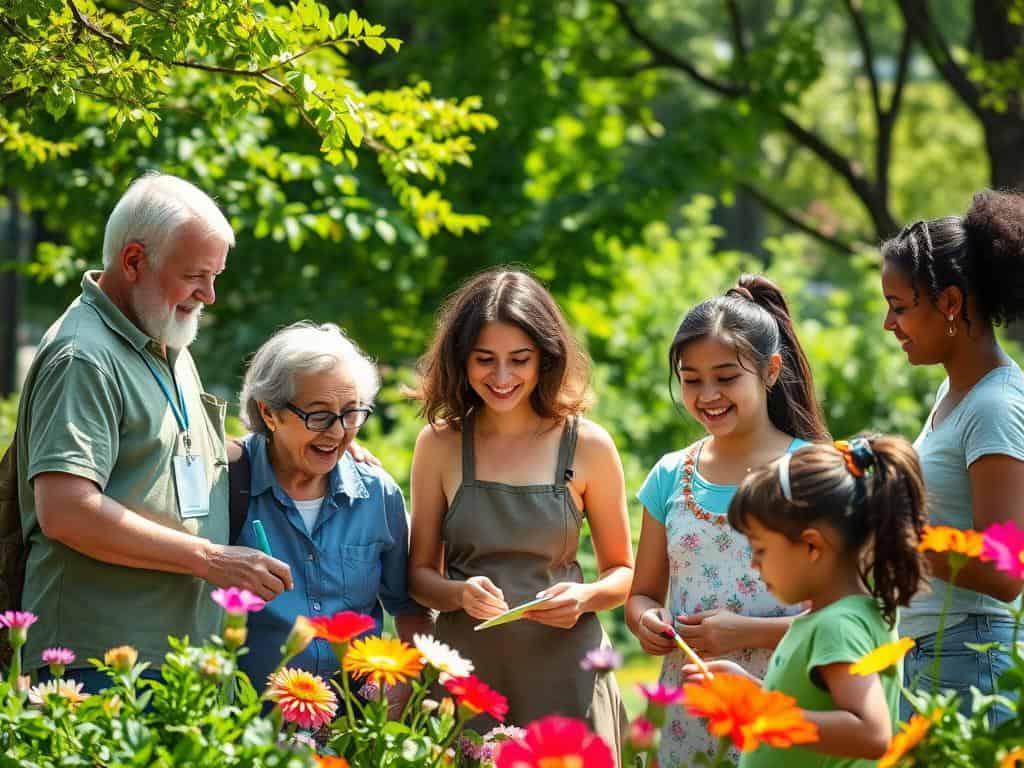
Did you know volunteering can lower your risk of early death? It shows how volunteering affects not just communities but our mental health too. With life’s stresses growing, volunteering offers hope. It can reduce stress, fight depression, and bring happiness.
Helping others doesn’t just help them; it also rewards us personally. It boosts our wellness. Volunteering connects us to our community and gives us purpose. It helps us feel part of something bigger and fights loneliness.
Small acts of kindness can have big effects on our minds and hearts. Studies show volunteers have better thinking skills and lower blood pressure. This makes volunteering a key part of self-care.
Key Takeaways
- Volunteering has been shown to lower mortality rates among participants.
- Engaging in volunteer activities can combat depression and anxiety.
- Volunteers often experience increased self-confidence and happiness.
- Regular volunteering contributes to better overall wellness and physical health.
- Connection to the community fosters a sense of belonging and purpose.
- Research suggests that volunteering for just 2-3 hours a week can provide significant mental health benefits.
Understanding the Mental Health Benefits of Volunteering
Volunteering brings many mental health benefits that can greatly improve our well-being. It gives us a sense of purpose and helps reduce stress, fight depression, and boost happiness. As I started volunteering, I saw how it stimulated my mind and helped me help others while improving my mental health.
Reducing Stress and Anxiety
Volunteering can help lower stress and anxiety. Research shows that volunteers often feel less stressed and sleep better. Doing meaningful work shifts our focus, easing anger or anxiety. It’s a way to practice mindfulness, reducing stress.
Combating Depression
Volunteering is a powerful tool against depression. Studies show that regular volunteers have higher self-esteem and a more positive view of themselves. This positive cycle boosts mental health. Plus, making friends through volunteering can fight loneliness, a big problem for many, including older adults.
Improving Overall Happiness
Giving back to the community makes us happier. Many volunteers feel more fulfilled and healthier. Knowing we help others gives us a deep sense of purpose. It makes life more rewarding and uplifting.
Volunteering as a Means to Build Community and Connection
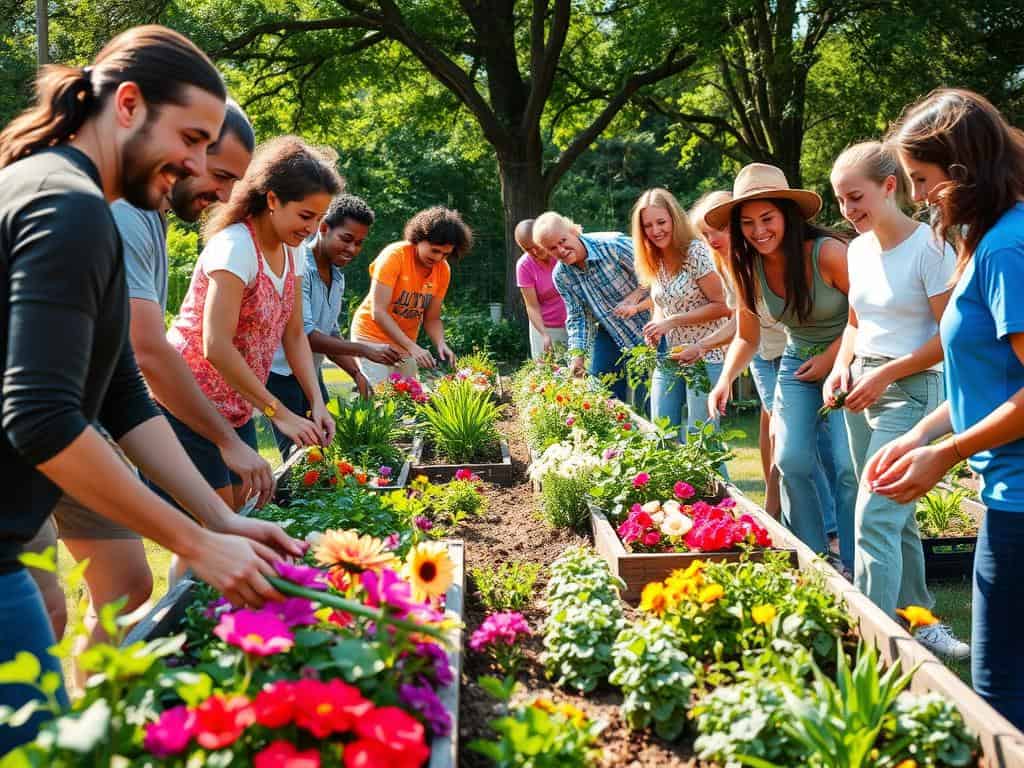
Volunteering does more than help others. It’s key in building community and making new friends. It creates a network of support and teamwork, making our communities stronger.
Strengthening Social Networks
Volunteering is great for making friends. People who volunteer often meet others who share their interests. This leads to friendships and a sense of belonging.
These friendships can make us happier and more fulfilled. They add joy to our lives.
Engaging in Social Good
Volunteering helps fight loneliness. It shows how helping others can boost our mental health. Every act of kindness can inspire others to help too.
This teamwork makes our community stronger. It improves our well-being and builds a more united community.
Conclusion
Volunteering has deep and wide-ranging mental health benefits. From my own experience, it helps reduce stress and fight depression. It also makes us happier by building strong social connections.
These connections are key to feeling fulfilled. Every time we help others, we grow closer to them and to ourselves. This strengthens our well-being.
Volunteering also changes our communities for the better. It helps those in need and improves our own lives. I’ve seen how sharing our stories can offer support and healing.
This support circle is powerful. It helps those facing challenges and enriches our lives too. Volunteering is a journey to a healthier, happier life.
By helping others, we create a positive impact. This not only benefits our communities but also boosts our own well-being. Volunteering is essential for a life filled with purpose and joy.
