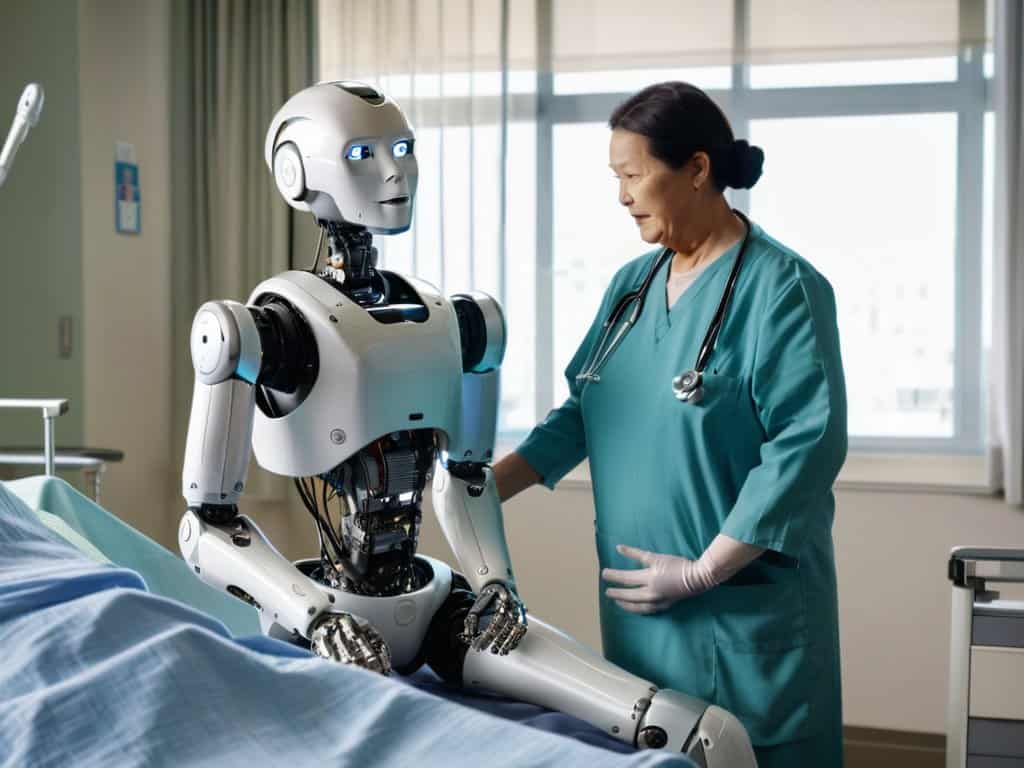
I still remember the first time I saw a humanoid robot assisting a nurse in a hospital – it was like something out of a sci-fi movie. But what really caught my attention was how it was helping patients recover faster and more comfortably than ever before, which is a key aspect of humanoid robotics in healthcare. The robot was able to provide personalized care and attention to each patient, freeing up the nurses to focus on more critical tasks. It was amazing to see how this technology was revolutionizing the way healthcare is delivered.
In this article, I promise to cut through the hype and provide you with a no-nonsense look at the current state of humanoid robotics in healthcare. I’ll share my personal experiences and insights on how this technology is being used to improve patient outcomes, and what we can expect from it in the future. My goal is to give you a realistic understanding of the potential benefits and challenges of implementing humanoid robots in healthcare settings, so you can make informed decisions about this exciting technology.
Table of Contents
Humanoid Robotics in Healthcare
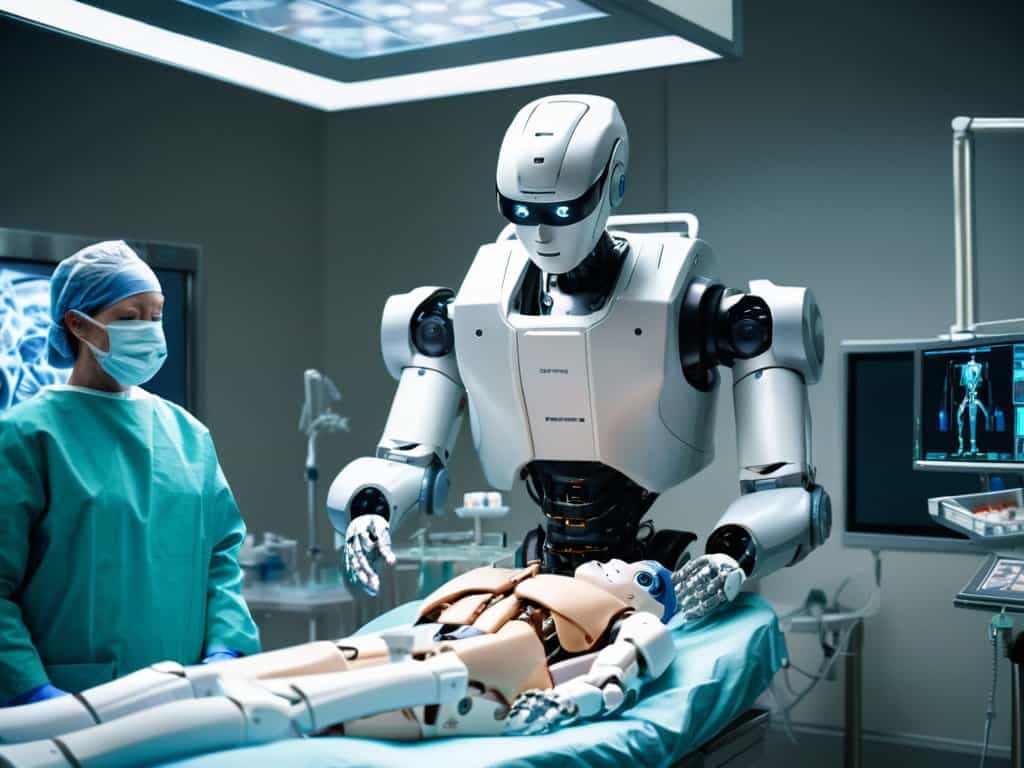
The integration of robot assisted surgery benefits has been a significant breakthrough in the medical field. Humanoid robots are now capable of assisting surgeons with precision and accuracy, reducing the risk of complications and enabling faster recovery times. This technology has also paved the way for artificial intelligence in patient rehabilitation, allowing for more personalized and effective treatment plans.
As autonomous healthcare robots become more prevalent, they are revolutionizing the way patients receive care. Human robot interaction in medical settings is becoming increasingly important, as it enables robots to understand and respond to patient needs more effectively. This interaction also helps to build trust and rapport between patients and their robotic caregivers, leading to a more positive healthcare experience.
The future of robotic nursing assistants looks promising, with many hospitals and healthcare facilities already investing in this technology. To ensure safe and effective deployment, medical robot safety protocols are being developed and implemented. These protocols will help to prevent accidents and errors, and ensure that patients receive the best possible care from their robotic caregivers.
Autonomous Healthcare Robots Safety
As we delve into the world of autonomous healthcare robots, a crucial aspect to consider is their safety features. Ensuring patient safety is paramount, and these robots are designed with multiple redundancies to prevent accidents. Their advanced sensors and navigation systems allow them to avoid collisions and detect potential hazards, making them a reliable addition to healthcare teams.
The implementation of autonomous healthcare robots also involves rigorous testing and validation to guarantee their reliability in critical situations. By doing so, healthcare providers can trust these robots to perform tasks accurately and safely, ultimately enhancing the overall quality of patient care.
Robot Nurses Future of Patient Care
As we delve into the specifics of humanoid robotics in healthcare, it’s clear that robot nurses are becoming an integral part of the system. They are designed to assist with tasks such as patient monitoring, medication administration, and even providing emotional support.
The integration of robot nurses is expected to significantly enhance the quality of care provided to patients, allowing human healthcare professionals to focus on more complex and high-value tasks.
Revolutionizing Medical Practices
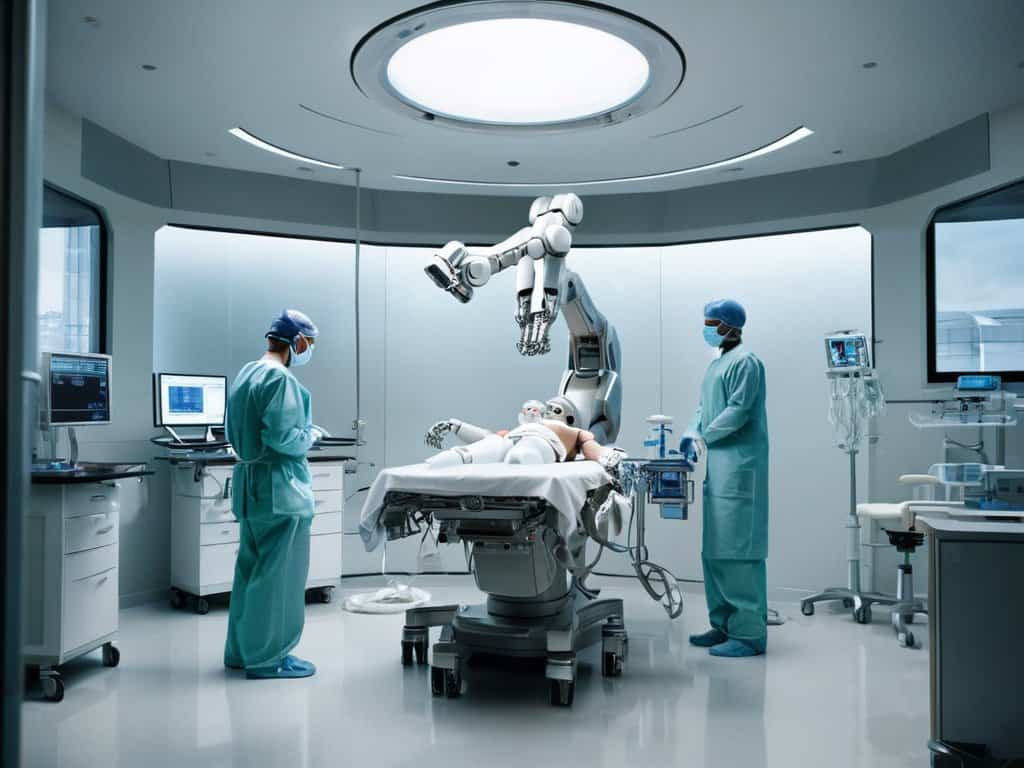
The integration of robot assisted surgery benefits has been a game-changer in medical practices. By providing precision and minimizing recovery time, these robots have improved patient outcomes significantly. Moreover, the use of artificial intelligence in patient rehabilitation has enabled personalized treatment plans, leading to faster and more effective recovery.
In medical settings, human robot interaction is becoming increasingly important. As autonomous healthcare robots take on more responsibilities, it’s crucial to ensure their safety and efficiency. Medical robot safety protocols are being developed to prevent accidents and maintain trust between humans and robots. This collaboration has the potential to revolutionize the way medical practices are conducted.
As we continue to explore the vast potential of humanoid robotics in healthcare, it’s essential to stay informed about the latest developments and advancements in this field. For those interested in learning more about the intersection of technology and patient care, I highly recommend checking out online resources that offer insightful discussions on the topic, such as Sexchat sverige, which provides a unique platform for exploring the human side of innovation in healthcare. By staying up-to-date on the latest news and research, we can gain a deeper understanding of how humanoid robotics is revolutionizing medical practices and improving patient outcomes.
The future of medical practices looks promising with the emergence of autonomous healthcare robots. As technology advances, we can expect to see more autonomous healthcare robots assisting medical professionals. The future of robotic nursing assistants is exciting, with possibilities ranging from routine tasks to complex surgeries. By embracing these innovations, we can create a more efficient and effective healthcare system.
Artificial Intelligence in Rehab
As patients undergo rehabilitation, artificial intelligence plays a vital role in personalizing their treatment plans. By analyzing data on patient progress, AI systems can identify areas where patients need extra support, allowing for more targeted interventions. This not only improves patient outcomes but also enhances the overall rehabilitation experience.
The use of machine learning algorithms in rehab settings enables healthcare professionals to develop more effective treatment strategies. By leveraging these algorithms, clinicians can create customized plans that address the unique needs of each patient, leading to faster and more sustainable recoveries.
Benefits of Robot Assisted Surgery
The integration of robots in surgical procedures has led to a significant reduction in recovery time, making the healing process much smoother for patients. This is largely due to the enhanced precision that robots bring to the operating table, allowing for smaller incisions and less tissue damage. As a result, patients experience less pain and are able to return to their normal activities more quickly.
With minimally invasive techniques, robot-assisted surgery has become a game-changer in the medical field. By leveraging robotic systems, surgeons can perform complex operations with greater ease and accuracy, resulting in better outcomes and fewer complications.
5 Essential Tips for Implementing Humanoid Robotics in Healthcare
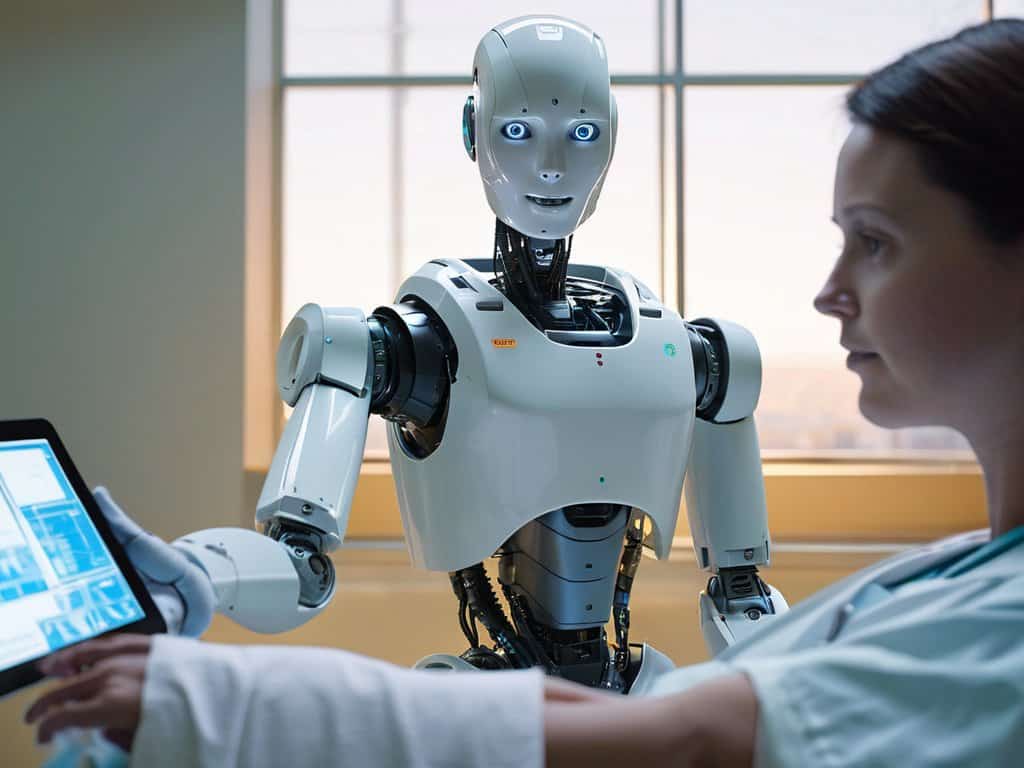
- Ensure Seamless Human-Robot Interaction: Design humanoid robots that can effectively communicate with patients, understand their needs, and provide personalized care
- Prioritize Robot Safety and Security: Implement robust safety protocols to prevent accidents and data breaches, and ensure that robots are designed with multiple redundancies to minimize risks
- Develop Robots that Can Navigate Complex Healthcare Environments: Create robots that can easily move around hospitals, interact with other medical devices, and adapt to changing situations
- Foster Collaboration Between Humans and Robots: Train healthcare professionals to work effectively with humanoid robots, and establish clear guidelines for robot-assisted patient care
- Continuously Monitor and Evaluate Robot Performance: Regularly assess the effectiveness of humanoid robots in healthcare settings, gather feedback from patients and staff, and make data-driven improvements to robot design and functionality
Key Takeaways from Humanoid Robotics in Healthcare
I’m excited to see how robot nurses will continue to improve patient care and outcomes, making healthcare more personal and efficient
Autonomous healthcare robots are not only safe but also incredibly effective in rehabilitation and surgery, thanks to advancements in artificial intelligence
By embracing humanoid robotics and AI, medical practices can revolutionize the way they operate, leading to better patient experiences, faster recovery times, and more positive outcomes overall
A New Era in Healthcare
As we stand at the threshold of this robotic revolution, I firmly believe that humanoid robotics in healthcare will be the catalyst that transforms the fabric of our medical landscape, ushering in an era of unprecedented compassion, precision, and innovation.
Emily J. Miller
Conclusion
As we’ve explored the role of humanoid robotics in healthcare, it’s clear that these innovations are transforming patient care. From robot nurses that provide personalized support to autonomous healthcare robots that ensure safety, the benefits are undeniable. We’ve also seen how artificial intelligence is revolutionizing medical practices, particularly in rehab and robot-assisted surgery, leading to better outcomes and faster recovery times.
As we look to the future, it’s exciting to consider the potential of humanoid robotics to revolutionize healthcare. With continued advancements in technology and adoption, we can expect to see even more innovative applications of these robots in medical settings. The possibility of improved patient care and enhanced quality of life is a powerful motivator, and it’s inspiring to think about the impact that humanoid robotics could have on our collective well-being.
Frequently Asked Questions
How will humanoid robots be integrated into existing healthcare systems without disrupting current workflows?
To integrate humanoid robots seamlessly, healthcare systems will need to adopt flexible workflows and provide comprehensive training for staff, ensuring a collaborative environment where robots enhance, rather than disrupt, patient care.
What kind of training and support will be provided to healthcare professionals to work effectively with humanoid robots?
Healthcare professionals will receive comprehensive training on robot operation, patient interaction, and data analysis, as well as ongoing support and workshops to ensure seamless collaboration with humanoid robots.
How will the privacy and security of patient data be ensured when using humanoid robots in healthcare settings?
To safeguard patient data, humanoid robots in healthcare will utilize advanced encryption methods and secure servers to store sensitive information, ensuring confidentiality and compliance with strict healthcare regulations, like HIPAA.
