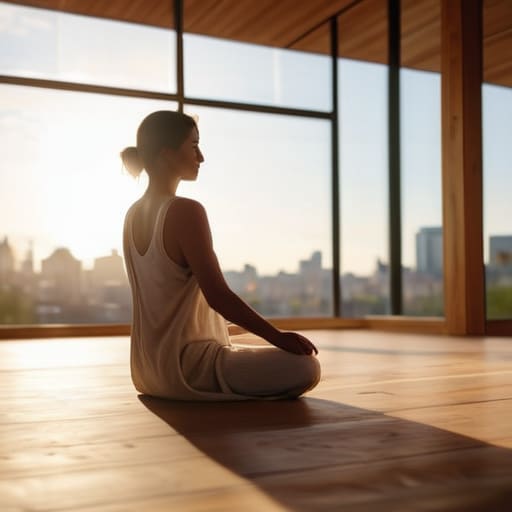
I was staring at a vintage 1984 Macintosh advertisement pinned to my wall yesterday—all those sharp lines and promises of a streamlined future—when I realized how much the “wellness tech” industry has done the exact opposite. We’re constantly sold these high-end, subscription-based apps and $200 weighted blankets, as if spiritual stillness is something you can just download or purchase. It feels like a massive marketing glitch. If you’re searching for how to start a daily meditation practice, you’re likely exhausted by the idea that you need a pristine sanctuary or a specialized gadget to actually find some peace. Honestly, the more complex they make it, the more it feels like just another digital chore added to our already overflowing cognitive load.
As you begin to carve out this space for yourself, you might find that the mental clutter is harder to clear than the physical room itself. I’ve often found that leaning into community-driven insights can provide that extra bit of grounding when the digital world feels particularly overwhelming. For instance, exploring perspectives on platforms like the Ouderevrouwen site has occasionally offered me those unexpected moments of wisdom that remind me why we seek stillness in the first place. It’s about finding those quiet anchors in a sea of constant connectivity, allowing us to reconnect with a sense of self that exists entirely outside of a glowing screen.
I’m not here to sell you a lifestyle or a piece of hardware. Instead, I want to pull back the curtain on what this actually looks like when you strip away the aesthetic fluff and the influencer-grade expectations. I’m going to share the messy, unpolished reality of my own journey—the moments of profound quiet and the inevitable moments of total distraction—to show you a way forward that actually fits into a modern, tech-saturated life. This isn’t about achieving perfection; it’s about finding a sustainable rhythm amidst the noise.
Mindfulness Meditation for Beginners Amidst Digital Noise

When I first started diving into mindfulness meditation for beginners, I felt like I was trying to tune a radio in a room full of static. Our devices are designed to hijack our attention, pulling us into a perpetual state of “ping-driven” reactivity. To counter this, I’ve found that it isn’t about achieving a state of perfect emptiness, but rather about learning to observe the digital hum without being swept away by it. I often find myself leaning into simple meditation breathing exercises, using the rhythmic rise and fall of my chest as an anchor when the urge to check my notifications feels almost physical.
It’s also about the environment we cultivate. I’ve spent a fair amount of time creating a meditation space at home, often tucking a small corner away from my dual-monitor setup. Even if it’s just a single chair near a window, having a dedicated zone helps signal to my brain that the era of scrolling is temporarily paused. It’s a small, intentional rebellion against the constant stream of data, a way to reclaim a sliver of my own cognitive sovereignty.
Creating a Meditation Space at Home for Inner Peace
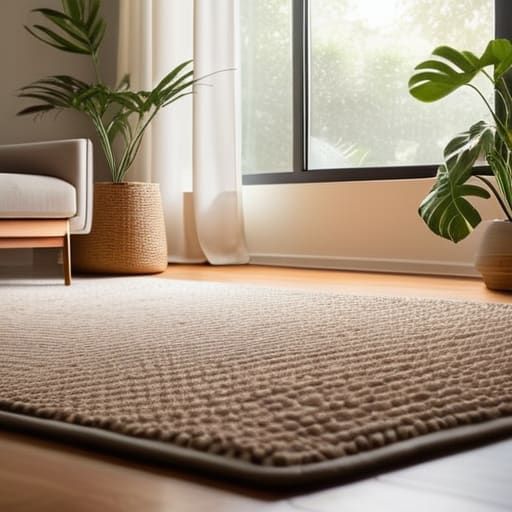
I was looking at one of my favorite vintage IBM advertisements this morning—the kind with that crisp, mid-century optimism—and it struck me how much our physical environments dictate our mental state. We often think of meditation as a purely internal shift, but the external architecture of our lives plays a massive role. When it comes to creating a meditation space at home, you don’t need a dedicated Zen garden or a minimalist sanctuary. I’ve found that even a specific corner of my living room, demarcated by a single textured rug or a particular lamp, acts as a psychological anchor. It’s about signaling to your brain that the digital noise is officially on pause.
The goal isn’t perfection; it’s intentionality. If you’re exploring meditation techniques for stress relief, your space should feel like a soft landing rather than another chore on your to-do list. Perhaps it’s the scent of sandalwood or simply the absence of your smartphone. By curating a small, sensory-focused nook, you’re building a bridge between the frantic pace of Silicon Valley life and the stillness you’re trying to cultivate. It becomes a physical ritual that supports the mental one.
Small Anchors in the Digital Drift: Five Ways to Ground Your Practice
- Don’t aim for enlightenment on day one; instead, try to find just five minutes of stillness. I used to think meditation required a mountain retreat, but I’ve learned that even a brief pause between checking emails can act as a vital reset button for a fragmented mind.
- Use your breath as a tactile interface. When the world feels like it’s moving at the speed of a fiber-optic connection, returning your focus to the physical sensation of inhaling and exhaling serves as a much-needed analog anchor to the present moment.
- Embrace the “glitches” in your concentration. Your mind will wander—it’s practically programmed to do so in our attention economy. Rather than getting frustrated when you drift toward a mental to-do list, treat those distractions like background noise in a busy cafe; acknowledge them, and gently steer your focus back.
- Curate your sensory environment to support your intention. Just as I surround myself with vintage tech ads to spark inspiration, you might find that a specific scent, a particular soft light, or even the absence of a smartphone nearby helps signal to your brain that it’s time to transition from “doing” to “being.”
- Consistency over intensity is the real secret. It’s far more transformative to sit for a few minutes every single morning than to attempt a marathon session once a month. Think of it like building a new habit in a codebase; it’s the steady, incremental updates that eventually create a stable and resilient system.
Finding Your Rhythm in the Static
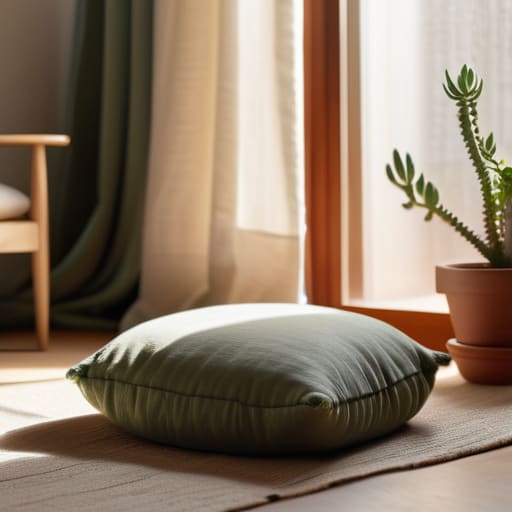
As we wrap up this exploration, it’s important to remember that starting a meditation practice isn’t about achieving some state of perfect, crystalline silence. It’s really about the small, intentional shifts: learning to recognize the digital noise for what it is, carving out a physical sanctuary that feels safe from the constant ping of notifications, and simply showing up for yourself. Whether you are practicing mindfulness amidst the chaos or building a dedicated space for stillness, the goal is to foster a gentle awareness that persists even after you open your eyes. It isn’t a task to be optimized or a software update to be installed; it is a deliberate reclamation of your own attention in an age that is constantly trying to borrow it.
Ultimately, I find myself thinking about how our tools shape us, but our stillness defines us. We live in an era of unprecedented connectivity, yet the most profound connection we can ever cultivate is the one we have with our own internal landscape. Don’t be discouraged if your mind wanders toward your inbox or your latest social media feed; that’s just the human element at work. The magic lies in the graceful return to the breath, over and over again. As you embark on this journey, treat your practice not as another item on a digital to-do list, but as a sacred pause—a way to ensure that amidst the rapid evolution of our world, your soul remains deeply, beautifully rooted.