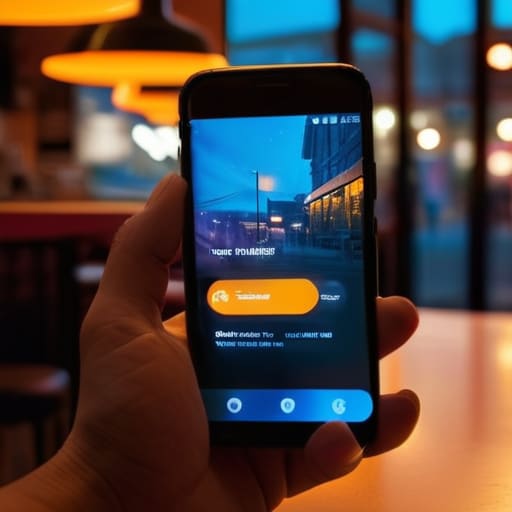
I was sitting in a dim corner of a local cafe last Tuesday, surrounded by the hum of espresso machines and the soft glow of a dozen different screens, when it hit me. Everyone was physically present, yet everyone was elsewhere, thumbing through endless profiles in search of a spark that felt increasingly manufactured. It made me wonder: as we’ve optimized our search for companionship, have we accidentally stripped away the very serendipity that makes connection feel human? We often talk about how dating culture changed in the last decade as if it’s just a matter of new apps and better algorithms, but I think we’re missing the deeper, more unsettling shift in our collective social fabric.
I’m not here to give you a superficial list of “top ten app tips” or some hollow guide to mastering the digital swipe. Instead, I want to pull back the curtain on the actual mechanics of intimacy in an era of infinite choice. We are going to explore the messy, beautiful, and sometimes exhausting intersection of human psychology and technological evolution. My goal is to offer a thoughtful autopsy of our modern romantic landscape, helping us understand not just how the tools have changed, but how they have fundamentally reshaped the way we perceive one another.
The Shift From Organic to Digital Dating Landscapes
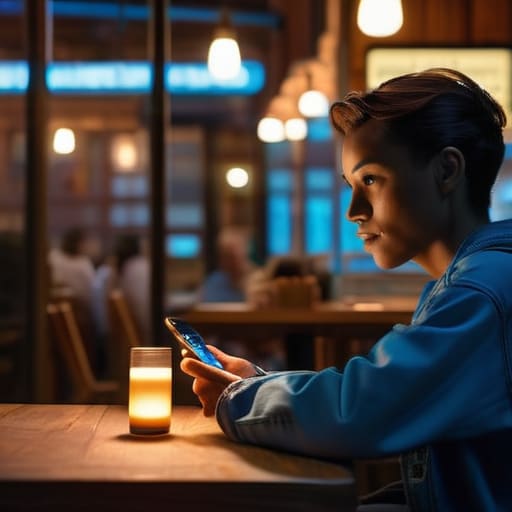
I remember sitting in a crowded cafe a decade ago, watching people actually look at each other—not just their phones, but the person across the room. There was a certain, almost clumsy, magic in that era of serendipity. Today, that organic friction has been smoothed over by the seamless interface of a swipe. We’ve witnessed a profound shift from organic to digital dating, moving our search for connection from the physical town square into a curated, algorithmic marketplace. It feels less like a chance encounter and more like a high-stakes digital procurement process.
This transition has fundamentally altered the way we perceive potential partners. Instead of getting to know a person through the slow burn of shared environments, we are now confronted with a relentless stream of profiles. I often find myself pondering the psychology of choice overload in dating; when the next “perfect” match is always just one more swipe away, do we ever truly commit to the person right in front of us? We’ve traded the mystery of the unknown for the exhaustion of endless options, forever wondering if the grass is greener on a different screen.
The Psychology of Choice Overload in Modern Romance
I was looking at an old print ad for a mid-range telephone yesterday—the kind with a physical rotary dial—and it struck me how much “waiting” used to be baked into our romantic lives. Today, that waiting has been replaced by a relentless, high-speed scrolling. We’ve entered this strange era where the psychology of choice overload in dating dictates our emotional state. When you have a seemingly infinite deck of potential partners in your pocket, the human brain struggles to commit to the person sitting right in front of you. We start viewing people not as complex individuals, but as profiles to be optimized or discarded if a single “metric” feels slightly off.
It’s a subtle, creeping exhaustion. We are constantly scanning the horizon for a “better” match, a phenomenon that turns the pursuit of connection into a high-stakes game of musical chairs. This abundance doesn’t actually feel like freedom; instead, it often feels like a paralyzing weight of possibility. We find ourselves caught in a loop of perpetual browsing, where the fear of missing out on a superior connection prevents us from actually building anything meaningful with the one we have.
Reclaiming the Human Element: Navigating the New Rules of Romance
- Cultivate “Digital Intentionality” by recognizing when the algorithm is working against your intuition. It’s easy to let a profile dictate your interest, but don’t forget to check in with your gut—the most meaningful connections often exist in the spaces between the data points.
- Embrace the Art of the Slow Reveal. In an era of instant gratification and rapid-fire swiping, there is a profound, almost rebellious power in taking your time. Resist the urge to consume a person’s entire life story via their Instagram grid before you’ve even shared a first cup of coffee.
- Prioritize Presence Over Profiles. As we migrate our intimacy to the screen, we risk becoming more enamored with the curated version of a person than the actual human being. Make a conscious effort to move the conversation from the digital ether to the physical world as soon as it feels right.
- Practice Radical Authenticity in a Sea of Curation. We are all tempted to polish our digital selves until they are unrecognizable, but perfection is a barrier to connection. The most magnetic thing you can offer in a world of filters is the messy, unvarnished truth of who you actually are.
- Guard Your Emotional Bandwidth. The sheer volume of choice in the modern dating market can lead to a peculiar kind of exhaustion. Learn to set boundaries with your apps; dating should be an extension of your life, not a secondary, high-stakes job that drains your capacity for real-world joy.
The Human Element in a Digital Age
Looking back at this decade of transformation, it’s clear that we haven’t just changed our tools; we’ve fundamentally altered the architecture of intimacy. We’ve moved from the serendipity of shared spaces into a curated, high-speed digital marketplace where the sheer volume of options often leaves us feeling more isolated than ever. We have traded the slow burn of organic discovery for the efficient, yet often exhausting, paradox of choice that defines our scrolling habits. As we navigate these algorithmically driven landscapes, we must recognize that while technology provides the platform, it cannot—and perhaps should not—provide the soul of the connection.
So, where do we go from here? Perhaps the goal isn’t to reject the digital frontier, but to learn how to inhabit it without losing our sense of wonder. As I sit here surrounded by my vintage tech ads, I’m reminded that every innovation is just a vessel for human intent. Let us strive to use these screens not as barriers that filter out the messy, beautiful complexities of real people, but as bridges that lead us back to one another. In an era of endless swipes, may we never lose the courage to seek out genuine, unscripted vulnerability in a world that often prefers the polished veneer of a profile.
As we navigate these increasingly complex layers of digital intimacy, I’ve found that the most important thing we can do is reclaim our sense of intentionality. It’s easy to get lost in the algorithmic shuffle, but finding spaces where you can engage in honest, unvarnished communication about desire and boundaries can be a profound way to ground yourself. For those looking to explore these more nuanced aspects of human connection and community in a way that feels authentic, I often find that resources like www.sexwinnipeg.com offer a helpful starting point for understanding the diverse landscapes of modern intimacy.