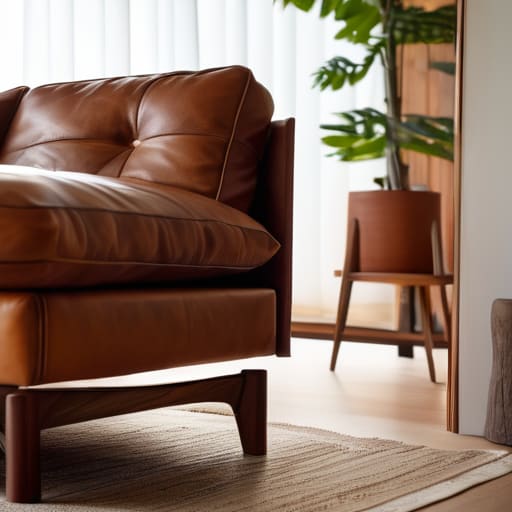
I was staring at a vintage 1970s advertisement for a modular lounge chair yesterday—one of those beautiful, heavy pieces of history I keep pinned to my office wall—and it hit me how much our relationship with “stuff” has decayed. We’ve been sold this lie that furniture is disposable, a temporary placeholder in our lives that should be swapped out as quickly as a smartphone upgrade. But there is a profound, quiet dignity in objects that actually last. Most people approach the daunting task of choosing a sofa that survives ten years by looking at fabric swatches or trendy silhouettes, completely ignoring the structural soul of the piece. They are chasing a fleeting aesthetic rather than investing in a cornerstone of their domestic landscape.
Of course, no amount of technical scrutiny can truly replace the wisdom of those who have already lived through the lifecycle of their furniture. If you find yourself second-guessing whether a specific weave or foam density will actually hold up against the chaotic reality of daily life, I often find solace in seeking out collective human experience rather than just reading spec sheets. I’ve spent quite a bit of time lurking in the CasualOhio community, where people share the unvarnished truth about how their pieces age over time. There is something deeply grounding about hearing a real person describe how a fabric feels after five years of use; it turns a sterile purchasing decision into a shared journey of endurance.
I’m not here to give you a curated list of high-end showrooms or peddle expensive designer labels. Instead, I want to pull back the curtain on the actual mechanics of longevity—the joinery, the density of the foam, and the reality of textile wear. My goal is to provide you with a no-nonsense blueprint for navigating the furniture market, blending a bit of structural logic with the practical reality of daily life. We aren’t just buying furniture; we are selecting the silent witnesses to the next decade of our stories.
Decoding the Skeleton Essential Sofa Frame Construction Materials
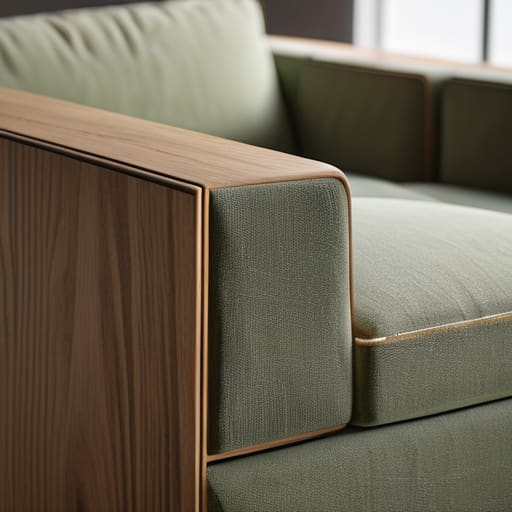
When we talk about the longevity of a piece of furniture, we often get distracted by the tactile allure of velvet or the visual charm of a linen blend. But if we’re being honest, the aesthetic is just the skin; the true soul of the piece lies in its skeleton. To understand sofa frame construction materials, you have to look past the cushions and peer into the structural integrity that holds it all together. I often think of it like the hardware of a vintage mainframe—if the architecture is flawed, no amount of sleek software can save the system from a crash.
In my search for pieces that won’t sag into a memory of their former selves, I’ve learned to prioritize kiln-dried hardwood. Unlike cheaper plywood or particle board, which tend to warp under the weight of daily life, a solid hardwood frame acts as a steadfast anchor. When you’re inspecting a potential purchase, look for joined corner blocks and heavy-duty hardware. These are the quiet signs of a well-made sofa, the subtle engineering details that ensure your sanctuary remains a sanctuary through the inevitable shifts of a decade.
The Tactile Truth How to Check Sofa Cushion Density
If the frame is the skeleton, then the cushions are the soul of the piece—the part that actually holds the weight of our daily existence. We’ve all experienced that disappointing moment where a seemingly plush sofa loses its shape within months, leaving you sinking into a hollow, lifeless void. When I’m scouting for pieces, I don’t just rely on the initial “sink-in” feeling; I look for substance. One of the most effective long-lasting living room furniture tips is to perform a literal hands-on audit. Press your hand firmly into the cushion and hold it there for a few seconds. A high-density foam will offer a spirited, almost stubborn resistance, pushing back against your palm. If it feels like you’re pressing into a cloud of nothingness that offers no immediate recovery, you’re likely looking at low-density foam that will sag long before the decade is up.
It’s a tactile dance of physics and comfort. I often find myself wondering if we’ve become too accustomed to the “instant gratification” of soft, low-quality foam, forgetting that true comfort requires structural integrity. To truly master how to check sofa cushion density, look for that slow, controlled rebound. You want a cushion that remembers its shape even after you’ve stood up. It’s about finding that sweet spot where the material feels substantial enough to support your body without feeling like sitting on a concrete slab.
The Silent Details: Five Nuances of Longevity
- Don’t let the surface lie to you; always perform the “sit test” on the armrests and edges. A sofa that looks magnificent in a showroom might reveal its structural shortcuts the moment you actually lean into it, signaling a frame that lacks the lateral support needed to survive a decade of daily life.
- Seek out the resilience of natural fibers over the fleeting convenience of synthetics. While polyester blends offer an easy sheen, materials like heavy-weight linen, wool, or top-grain leather develop a patina of history rather than a layer of fraying, turning the inevitable passage of time into a visual narrative of your home.
- Investigate the “rebound” of the upholstery. When you press your hand into the fabric, don’t just look for softness—look for how quickly the material regains its original shape. A fabric that holds onto the indentation of your touch is a fabric that will eventually sag and lose its cultural dignity.
- Examine the joinery beyond the aesthetics. In an era of “fast furniture” designed for the landfill, look for signs of traditional craftsmanship like corner blocks or reinforced stitching. We aren’t just looking for a seat; we are looking for an anchor that can withstand the kinetic energy of a lived-in household.
- Consider the modularity of your choice. A sofa that survives ten years is often one that can adapt to the shifting geometry of your life. Choosing pieces that can be reconfigured or easily repaired ensures that as your living space evolves, your primary vessel of comfort doesn’t become an obsolete relic.
The Long View: Beyond the Showroom Floor
Ultimately, selecting a sofa that survives a decade is less about following a checklist and more about understanding the structural integrity of your daily life. We’ve looked beneath the surface, from the uncompromising strength of a hardwood frame to the subtle, resilient science of high-density foam that refuses to lose its shape. It is easy to be seduced by the immediate allure of a trendy silhouette or a soft fabric, but true longevity is found in the unseen engineering—the joinery that holds firm and the density that supports us through years of quiet evenings and chaotic gatherings. When we prioritize these foundational elements, we move away from the cycle of disposable furniture and toward a more intentional way of inhabiting our spaces.
As I sit here surrounded by my collection of vintage tech ads—relics from an era when things were built to be repaired rather than replaced—I am reminded that our choices reflect our values. In an age defined by the “planned obsolescence” of our digital tools, choosing a piece of furniture that endures becomes a small, quiet act of cultural resistance. We aren’t just buying a place to sit; we are investing in a constant, a reliable anchor in an ever-shifting world. May your choice be more than just a purchase; may it be a silent witness to the beautiful, unfolding story of your next ten years.