
I was sitting in my study yesterday, staring at a faded 1980s advertisement for a digital watch—a chunky, plastic thing that did little more than tell time—when I realized how much the conversation around wellness has shifted. Lately, the marketing machine insists that the only way to “optimize” your life is to strap a miniature supercomputer to your wrist, implying that the benefits of smart wearable technology are purely about squeezing every last drop of productivity out of your biological systems. It feels less like self-care and more like data-driven surveillance of our own lives. We’ve been sold this idea that if we aren’t tracking our REM cycles or blood oxygen levels with surgical precision, we aren’t truly living.
I’m not here to sell you on the hype or recite a list of shiny features found in a press release. Instead, I want to peel back the silicon veneer and look at what these devices actually do to our human experience. I promise to offer a grounded, no-nonsense exploration of how this tech can actually serve us, rather than just demanding our attention. We’re going to move past the marketing jargon to see where these tools truly add value and where they simply become digital noise.
Real Time Physiological Monitoring a New Language of the Body
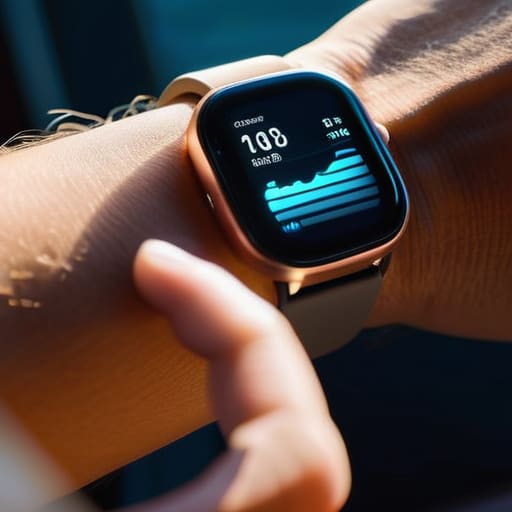
There’s a certain quiet intimacy in the way we now interface with our own biology. I was looking at an old 1980s print ad for a basic digital watch yesterday—something purely utilitarian—and it struck me how far we’ve drifted from mere timekeeping. Today, we aren’t just checking the hour; we are deciphering a constant stream of real-time physiological monitoring that feels less like a gadget and more like a translator for our internal states. When my watch nudges me about a spike in my resting heart rate, it’s not just a notification; it’s a prompt to engage in a dialogue with my own nervous system.
This shift toward constant data collection represents one of the most profound fitness tracking technology advantages we’ve ever seen. It’s the transition from reactive medicine—going to the doctor only when something breaks—to a proactive, continuous awareness. By leveraging smartwatch biometric data, we are essentially learning to read the subtle, unspoken rhythms of our existence. It makes me wonder: as we become more attuned to these digital signals, are we actually becoming more in tune with our humanity, or are we simply outsourcing our intuition to a silicon chip?
Smartwatch Biometric Data and the Evolution of Self Awareness
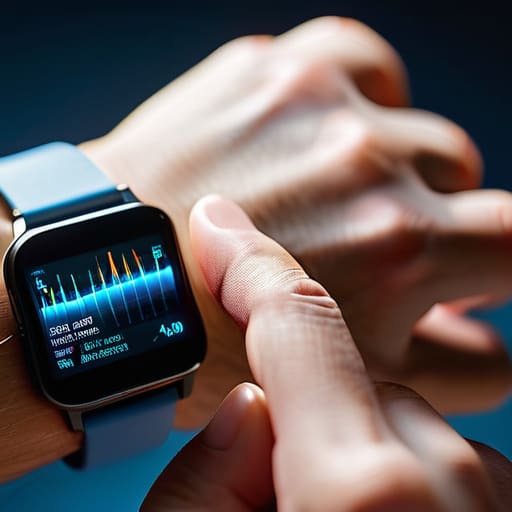
There is something almost intimate, perhaps even slightly unsettling, about the way smartwatch biometric data transforms our internal rhythms into a stream of legible digits. I was looking at an old advertisement for a 1970s digital watch yesterday—a simple, blocky thing that merely told time—and it struck me how far we’ve drifted from that era of passive observation. Today, we aren’t just checking the hour; we are interrogating our very existence through a glass screen. We’ve moved from simply living our lives to curating a biological narrative based on the graphs and trends our devices provide.
This shift suggests that the true value of fitness tracking technology advantages lies less in the raw numbers and more in the psychological feedback loop they create. When we see our sleep cycles or stress levels quantified, we begin to perceive our bodies through a digital lens. It forces a new kind of introspection, where the impact of wearables on wellness isn’t just about physical health, but about how we cognitively interpret our own vitality. We are becoming architects of our own well-being, using data as the blueprint for a more optimized version of ourselves.
Beyond the Data: How to Truly Integrate Wearables into Your Life
- Don’t let the metrics become your master; use the data as a conversation starter with your body, not a final verdict on your worth.
- Look for patterns, not just peaks, by observing how your sleep architecture or resting heart rate shifts alongside your emotional state or environmental stressors.
- Curate your notifications to prevent “digital noise” from eroding your focus, turning a potential distraction into a mindful tool for presence.
- Use the longitudinal data to bridge the gap between feeling and knowing, helping you articulate subtle physical changes to healthcare professionals with newfound precision.
- Embrace the technology as a way to reclaim your rhythm, using biofeedback to decide when to push your limits and, more importantly, when to embrace the necessity of stillness.
The Pulse of Our Future
As we’ve explored, the transition from simple step-counting to sophisticated biometric monitoring represents more than just a leap in engineering; it is a fundamental shift in our relationship with our own biology. We are no longer guessing at our wellness through vague intuitions, but rather interpreting a continuous stream of data that translates our internal rhythms into a legible, digital dialect. By bridging the gap between physiological signals and conscious awareness, smart wearables have turned the abstract concept of “health” into something tangible and actionable. We are essentially learning to speak a new language—one where our heart rate variability and sleep cycles act as the vocabulary for a deeper, more nuanced understanding of our physical selves.
Ultimately, I find myself wondering if these devices are merely tools, or if they are becoming the silent architects of a more intentional way of living. As we move forward, the challenge won’t be in the accuracy of the sensors, but in how we choose to integrate this digital wisdom into our human experience without losing our sense of intuition. If we can strike that balance, we might find that technology isn’t distancing us from our humanity, but rather providing a clearer mirror in which to see it. Let us use these digital pulses not to obsess over perfection, but to foster a more profound, compassionate connection to the living, breathing miracle that is our own existence.
As we begin to outsource our biological intuition to these little silicon sentinels, I can’t help but feel we are entering a period of profound recalibration. It’s not just about the data points themselves, but about finding a space where we can discuss how this constant stream of information affects our most intimate human experiences and connections. If you find yourself wanting to explore the more nuanced, human side of how technology intersects with our personal lives and identities, I’ve found that engaging with the Sexinphoenix community offers a refreshing perspective that goes far beyond the typical tech forums, providing a much-needed canvas for authentic dialogue in an increasingly quantified world.