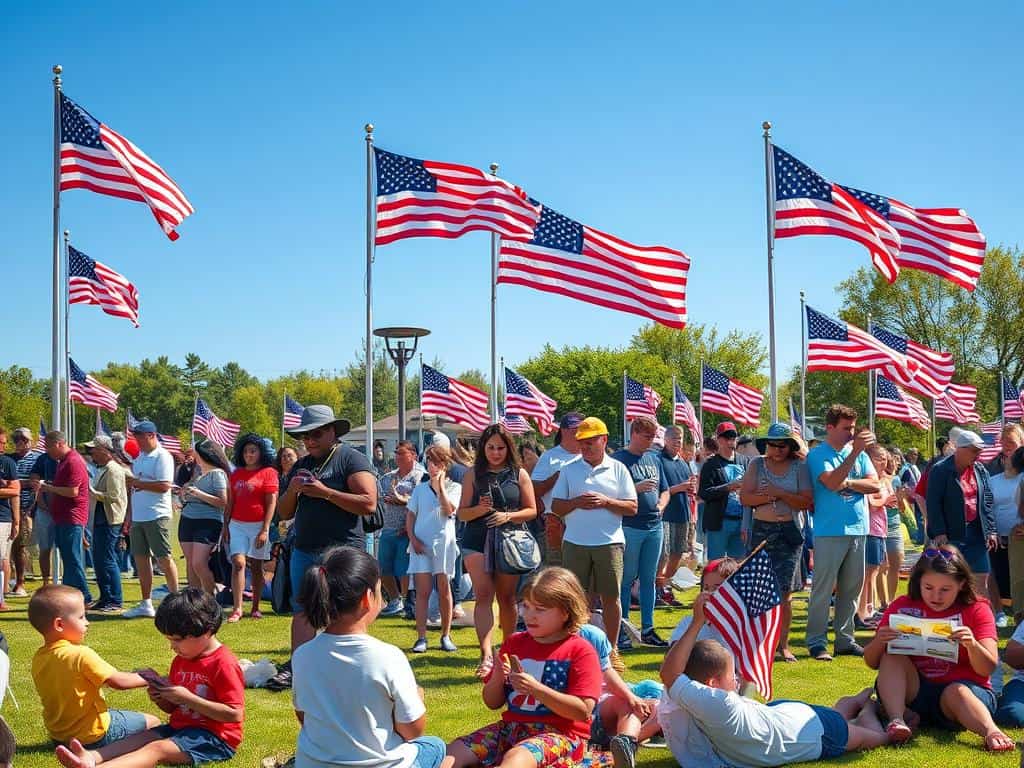
A 2021 Pew Research Center study found that only 39% of Americans are proud of their country. A shocking 10% feel ashamed. This shows a big divide in how people view patriotism in America today. As we look ahead to 2024, we wonder if patriotism is changing or disappearing.
For 247 years, American values and identity have changed a lot. These changes came from big events and shifts in society. The word “patriot” now means different things, like loyalty and resistance, but also nationalism and extremism.
Pop culture shows how people see patriotism differently. Movies like “The Patriot” and “Saving Private Ryan” give us clues. The Kaepernick protests also sparked big debates about race and patriotism. These examples show that patriotism is not just one thing; it changes with the times, showing both unity and division in America.
Key Takeaways
- Only 39% of Americans feel proud of their country, indicating a shift in national sentiment.
- The definition of patriotism has evolved, influenced by societal changes and historical events.
- Pop culture plays a significant role in shaping contemporary perceptions of American values and national identity.
- Patriotism today faces challenges from division and conflict within the country.
- There is a notable distinction between blind loyalty and true patriotism, as highlighted in recent political debates.
- Historical movements have influenced the evolution of how Americans define themselves as patriots.
- The resurgence of anti-government sentiments has redefined the landscape of patriotism in the U.S.
Understanding Patriotism in Modern America
Patriotism in America goes back to the American Revolution. It was the foundation of the new nation’s identity. The founding fathers inspired people to stand together against threats.
Throughout history, patriotism has grown during crises like World War II and after 9/11. These times showed how national pride and societal values are linked. They create a shared identity among citizens.
The Historical Context of Patriotism
Looking back, we see the deep roots of patriotism. Figures like Ben Rhodes say this feeling is alive today. But, modern America faces new challenges.
Jamelle Bouie points out the hard task of uniting people in a big and diverse country. It’s key to understand how personal experiences shape our view of patriotism today.
Contemporary Perceptions of Patriotism
The word “patriot” has changed over time. It can mean different things, from deep love to hostility. Many see patriotism as loving family, friends, and community.
Studies show most Americans don’t support hate toward others. Patriotism can mean giving feedback for improvement. It encourages working together, not fighting.
Challenges to Traditional Patriotism
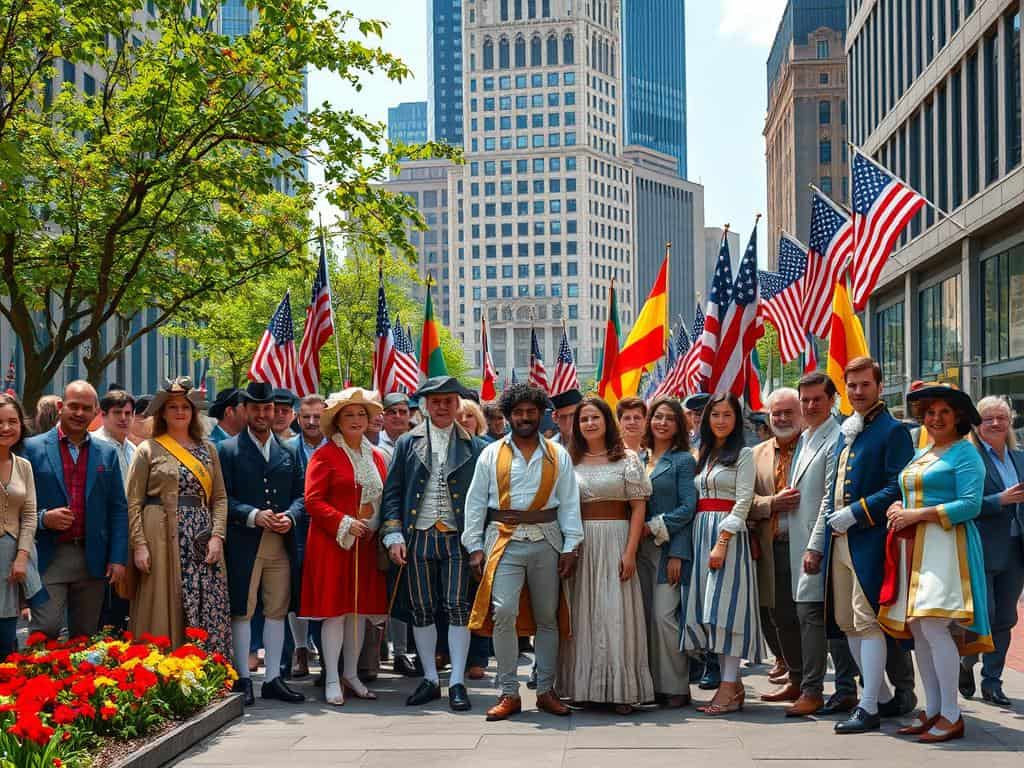
In modern America, patriotism faces many challenges due to political division and societal conflict. Traditional ideas of patriotism are changing, influenced by both old and new views. Philosophers question if patriotism can work with universal human rights.
Some think it can, helping a country have a better moral record. Others believe it might clash with global duties, putting national interests first.
The Impact of Division and Conflict
Political disagreements make it hard to feel national pride. More people are feeling less connected to their nation’s values. This divide makes people struggle with feeling proud and ashamed at the same time.
Understanding patriotism’s role in today’s society is key. It shows how complex loyalty to one’s country can be.
The Role of Media in Shaping Identity
Media greatly influences how we see identity politics and patriotism. News can create stories that show who is truly patriotic. This affects how we see ourselves and our country.
Fake news makes these divisions worse. It mixes national symbols with political views. This makes patriotism harder to understand and value.
Conclusion
Over the last 17 years in the United States, I’ve seen patriotism change a lot. In the past, it brought people together, like during World War II. But today, with more diversity and rising nationalism, it’s harder to define American identity.
We need to think about how conflicts today affect our unity. We must find ways to deal with these challenges together.
The future of patriotism might not be just about old traditions. It could be about valuing diversity and respect. The rise of anti-Semitism in Europe shows we need to rethink what patriotism means.
Some say patriotism means always standing by your country. But George Orwell saw it differently. He believed it’s not the same as aggressive nationalism. We need to find a balance between these views.
I believe we can create a new kind of patriotism. One that is based on ethics and universal values. By focusing on our duties as citizens and questioning government power, we can build a better future.
This approach could help us find unity in our differences. It’s the only way to create a patriotism that truly reflects our values.
