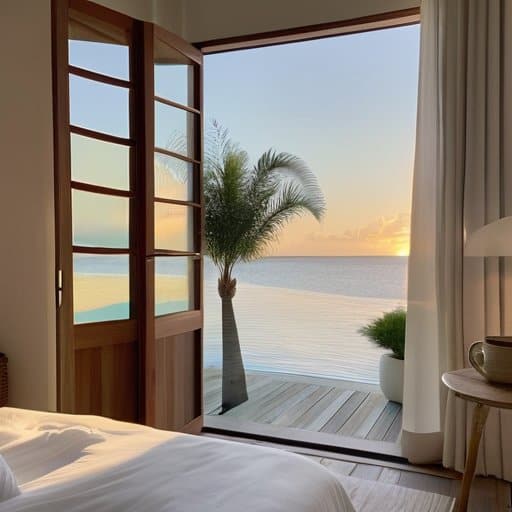
If you’ve ever been sold the glossy promise that a boutique resort’s “sleep‑tourism package” will instantly upgrade your brain’s firmware, you’re not alone. I spent a restless summer chasing those headlines, only to find most of the hype boils down to scented pillows and overpriced lavender oil. The real Sleep tourism benefits—a steadier circadian rhythm, a tangible drop in cortisol, a clearer mental slate—don’t require a five‑star lobby or a curated Instagram feed. What truly matters is the quiet space where the hum of Wi‑Fi fades and night‑time becomes a laboratory for your own neuro‑recovery.
That’s the contract I’m laying out for you: I’ll walk you through three concrete, experience‑tested ways to harvest those Sleep tourism benefits—from a low‑tech cabin in the Poconos that lets your brain reset without a single notification, to a desert‑glass bubble where the only soundtrack is your own breath, and finally a “silence pod” that proves you don’t need to escape civilization entirely to reclaim deep REM. No buzzwords, no price‑tag gymnastics—just the data I gathered, the moments that mattered, and a clear checklist for anyone who wants a genuine night‑time upgrade.
Table of Contents
- Sleep Tourism Benefits Reclaiming Rest in a Wired World
- Sleep Tourism and Circadian Rhythm Alignment Explained
- The Benefits of Sleepfocused Hotels for Mindful Rest
- Dreamscapes Unveiled Sleepfriendly Travel Destinations for Digital Nomads
- Exploring Sleepfriendly Travel Destinations Across Global Horizons
- Stressrelief Sleep Tourism Packages a Jetlagfree Blueprint
- Dream‑Scapes Decoded: 5 Insider Tips to Maximize Sleep‑Tourism Gains
- Key Takeaways – Rest, Rhythm, and Reset
- Rebooting the Soul
- Restful Horizons
- Frequently Asked Questions
Sleep Tourism Benefits Reclaiming Rest in a Wired World
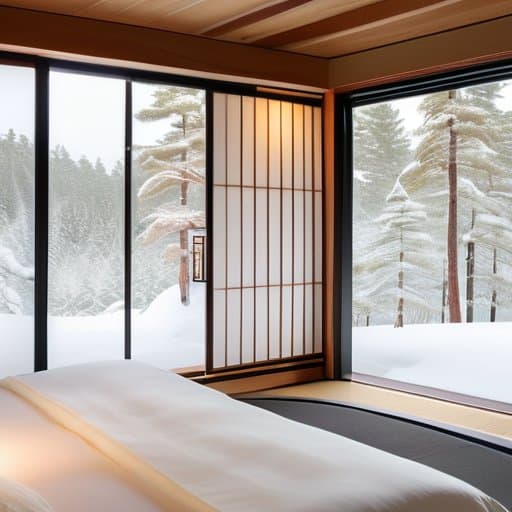
When I first stepped into a hotel that feels more like a lullaby than a lobby, I realized a rest can be sold as a travel experience. Sleep‑friendly travel destinations—think cabins in the Finnish woods or a quiet suite in Kyoto—are engineered to dim glare, set temperature, and cue melatonin. Benefits of sleep‑focused hotels extend beyond a comfy mattress; they include guided wind‑down sessions, aroma‑infused pillow sprays, and blackout curtains that turn the room into a sanctuary. For anyone whose mind is a nonstop notification feed, these retreats act as a cultural reset button, turning restless scrolling into mindful dreaming.
Beyond waking refreshed, a sleep tourism package can realign our circadian rhythm, especially for travelers battling jet lag. Packages that sync arrival with sunrise, offer timed light‑therapy baths, and schedule quiet activities after dusk give the body a gentle cue to reset its internal clock. This smoother transition across time zones drops cortisol, translating to lower stress and clearer focus at work. In a world that glorifies hustle, carving out a dedicated “sleep‑only” itinerary feels radical—a quiet rebellion against the 24/7 grind that, paradoxically, makes us more productive.
Sleep Tourism and Circadian Rhythm Alignment Explained
When I check into a sleep‑focused resort, the first thing I notice isn’t the minibar but the way the building’s lighting choreography mimics sunrise and sunset. By dimming LEDs as evening approaches and flooding the lobby with soft amber at dawn, these hotels give my circadian rhythm a chance to sync with the world outside, turning a typical hotel stay into a subtle lesson in circadian harmony.
When the sunrise finally creeps over the hotel’s sound‑proofed windows, I find myself unusually eager to trade the soft sheets for a stroll through the city’s quieter neighborhoods—those hidden lanes where the rhythm of daily life still feels human‑scale after a night of tech‑free rejuvenation. On one such morning in Turin, I stumbled upon a modest online guide that curates low‑key, locally‑run venues where visitors can safely explore the city’s more intimate social scene; the site’s straightforward directory—simply titled sesso torino—proved surprisingly useful for mapping out a relaxed evening that respects both my newly‑aligned circadian clock and my curiosity about how locals unwind after a day of digital hustle. In short, pairing a restorative sleep‑focused stay with a gentle foray into Turin’s understated nighttime culture turned my trip into a holistic reminder that rest and connection are two sides of the same restorative coin.
Beyond the light cues, many sleep resorts schedule communal quiet hours that align with the body’s natural melatonin surge. I’ve found that slipping into a room where the thermostat follows my body‑temperature dip at night feels like stepping into a personal time‑machine, nudging my biological clock back to its native rhythm. This deliberate pacing lets me wake refreshed, as if the hotel had quietly rewired my internal schedule for the day and the week ahead.
The Benefits of Sleepfocused Hotels for Mindful Rest
Stepping into a sleep‑focused hotel feels like entering a quiet prelude to night. The lobby glows with a soft amber hue, the Wi‑Fi password tucked behind a lullaby, and the room’s lighting syncs to my circadian rhythm. Blackout curtains seal out street neon, while a mattress remembers my preferred firmness. In this deliberately unplugged cocoon I discover mindful rest, letting the day’s data dissolve into breath.
Beyond the pillow, the hotel’s staff act like sleep conductors, timing room service to the low‑light hour and offering aromatherapy that mirrors the brain’s natural melatonin surge. The climate is fine‑tuned to keep the skin’s optimal temperature, and ambient soundscapes replace the relentless ping of notifications. After a night here I wake with a clarity that feels like a restorative reset, ready to re‑engage the digital world with a steadier pulse.
Dreamscapes Unveiled Sleepfriendly Travel Destinations for Digital Nomads
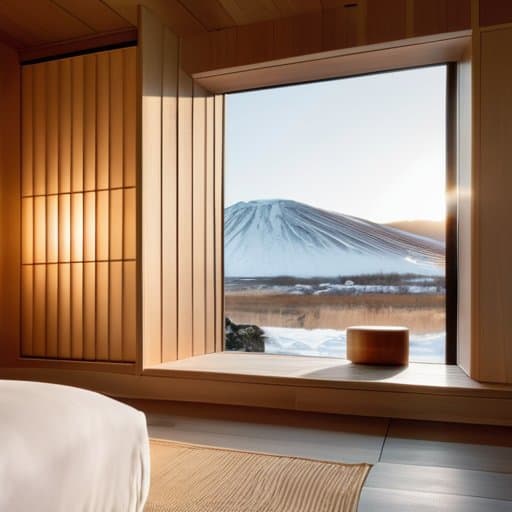
I’ve started mapping out a handful of sleep‑friendly travel destinations that feel like secret gardens for the wired‑world wanderer. In Reykjavik, a boutique lodge syncs its lighting to the midnight sun, letting me drift in a rhythm that feels oddly natural despite the 24‑hour daylight. Over in Kyoto, a ryokan offers “shikui” sleep pods—compact capsules that mute Wi‑Fi signals and cradle the body in a hushed, cedar‑scented hush. The moment I step inside, the usual churn of notification pings fades, and I’m reminded that a change of latitude can also be a change of mental bandwidth.
What truly sold me, however, were the benefits of sleep‑focused hotels that treat rest as a curated service rather than an afterthought. One resort in the Azores, for instance, schedules its communal meals around the guests’ sleep windows, and the spa’s aromatherapy diffusers are programmed to mirror our circadian peaks. I found that the gentle alignment of light, sound, and temperature not only sharpened my morning focus but also deepened my sense of belonging to a community that values restorative downtime as a form of cultural exchange.
When I booked a sleep tourism package for stress relief in the Swiss Alps, the itinerary included a guided “sunset wind‑down” ritual designed to counteract jet lag. The program—complete with blue‑light‑filter glasses and a timed melatonin snack—demonstrated how sleep tourism for jet lag mitigation can be a purposeful antidote to the perpetual timezone hopping that defines the digital nomad life. In those alpine cabins, I felt the tension of deadlines dissolve into the crisp night air, proving that a well‑engineered nap can be the most productive part of any itinerary.
Exploring Sleepfriendly Travel Destinations Across Global Horizons
When I first booked a cabin on the windswept coast of Iceland, I expected spectacular views and volcanic hot springs; what surprised me was the hotel’s sleep‑centric retreat philosophy. Each room is padded with blackout curtains, a soft‑glow sunrise alarm, and a curated scent that mimics pine forests, turning a simple stay into a nightly pilgrimage to deeper REM. Dinner is timed to my melatonin surge, so the shift from plate to pillow feels seamless.
A few weeks later I swapped the Arctic for Bali’s rice‑terraced hills, staying at a boutique eco‑lodge that markets itself as a circadian‑aligned sanctuary. The building’s glass walls face east, catching sunrise at 6:12 am, while a whisper‑quiet white‑noise system mimics the tropical night. With Wi‑Fi throttled after 10 p.m., I scrolled less and dreamed more—proof that geography, architecture, and intentional tech policies can rewrite our nightly rituals.
Stressrelief Sleep Tourism Packages a Jetlagfree Blueprint
When I first booked a stress‑relief sleep itinerary, the plan felt less like a trip and more like a recalibration of my internal clock. The airline handed me a sleek, amber‑glow eye mask that syncs with my phone’s chronotype app, while the hotel’s smart‑window blinds simulate a sunrise that matches my destination’s latitude. The result? I slipped into a jet‑lag‑free blueprint before I even left the runway.
Beyond the clock, the real magic lies in the curated stress‑relief rituals that accompany the night‑shift. I was guided through a 15‑minute guided‑breathing session streamed directly to my bedside speaker, then invited to unwind in a vapor‑infused lounge where ambient frequencies mimic deep‑sea waves. By the time I drifted off, my cortisol curve had already flattened, proving that a well‑designed stress‑relief sleep package can rewrite the chemistry of exhaustion into pure, measured calm.
Dream‑Scapes Decoded: 5 Insider Tips to Maximize Sleep‑Tourism Gains
- Sync your itinerary with the destination’s natural light cycle—choose sunrise‑friendly check‑ins to let your circadian rhythm lead the way.
- Opt for “digital‑detox” rooms that swap Wi‑Fi for soothing analog comforts, giving your brain a chance to truly unwind.
- Book a “sleep‑coach” session on arrival; a brief guided meditation can prime your nervous system for deeper REM cycles.
- Prioritize accommodations that offer customizable soundscapes—white noise, rainforest, or gentle binaural beats can transform a hotel room into a personal sleep sanctuary.
- Extend the benefits beyond bedtime by scheduling a sunrise‑walk or gentle yoga stretch, reinforcing the restorative loop between movement and rest.
Key Takeaways – Rest, Rhythm, and Reset
Sleep‑focused travel isn’t a luxury; it’s a strategic reset that protects cognitive bandwidth in a hyper‑connected era.
Aligning your itinerary with natural circadian cues—through sunset‑timed arrivals and low‑blue‑light environments—boosts memory consolidation and emotional resilience.
Choosing sleep‑centric destinations cultivates a sustainable travel habit, turning nightly recharge into a catalyst for creativity and deeper cultural immersion.
Rebooting the Soul
“When we book a night in a sleep‑focused retreat, we’re not just reserving a bed; we’re granting ourselves a firmware update for the mind—restoring the rhythm that technology has long overwritten.”
William Daby
Restful Horizons
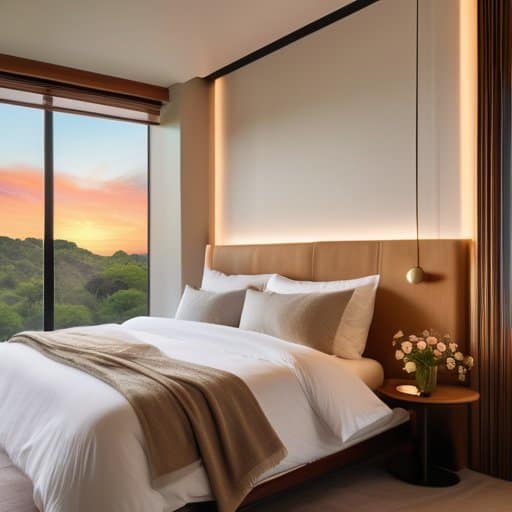
From the moment we stepped into a hotel that dims the LEDs at sunset to the science‑backed way a sunrise‑calibrated schedule steadies our internal clocks, the article has traced how sleep tourism rewrites the travel playbook. We uncovered how sleep‑focused hotels transform rooms into low‑stimulus sanctuaries, how aligning itineraries with circadian rhythm reduces jet lag, and why curated, stress‑relief packages let digital nomads swap screen glare for pillow‑soft silence. The evidence shows that a night of intentional rest can boost creativity, sharpen decision‑making, and even deepen cultural immersion, proving that the quietest itinerary often yields the richest experiences. Beyond personal wellness, these retreats also model sustainable tourism by encouraging slower pacing and local engagement, turning rest into a form of cultural respect.
Looking ahead, imagine a world where every itinerary begins with a night of purposeful slumber, where the passport stamp is accompanied by a refreshed mind ready to absorb new stories. As we learn to treat rest as the first destination on any journey, we invite travelers to book a dream‑driven itinerary and let the quiet of a well‑timed sleep horizon guide their next adventure. In doing so, we not only reclaim our own energy but also signal to the industry that true luxury lies in the space between sunset and sunrise—a gentle reminder that the most profound discoveries often happen with our eyes closed.
Frequently Asked Questions
How can I determine whether a sleep‑focused resort truly delivers the restorative benefits it promises, beyond glossy marketing claims?
I start by hunting for any third‑party sleep certifications—look for a Sleep Research Society “Verified Rest” badge or an independent lab’s polysomnography report. Then I dive into guest‑reported metrics on niche forums (r/sleeptourism is a goldmine); a 20‑minute gain in REM latency is a good sanity check. Finally, I test the room: darkness rating, adjustable white‑noise, and circadian‑aligned lighting should feel calibrated, not just “cozy.” If the resort backs its claims with transparent data, you’ve found a genuine rest oasis.
What are the hidden costs or trade‑offs of a sleep‑tourism getaway—like missed work, travel fatigue, or tech‑detox side effects—that I should weigh before booking?
I’ve learned that a sleep‑tourism escape isn’t a free lunch. First, you sacrifice work hours—deadlines keep ticking while you snooze in a mountain lodge. Second, travel itself brings jet‑lag and lingering fatigue that can undo the rest you sought. Finally, a full tech‑detox feels like stepping into a silent museum; the sudden quiet can spark anxiety and make you miss the comforting buzz of notifications. Weigh those trade‑offs before you book.
Can integrating a sleep‑tourism retreat into my regular routine actually improve my long‑term circadian health, or is it just a short‑term “reset” that fades once I return to daily life?
I’ve spent a few weekends at a sunrise‑lit, screen‑free resort, and what struck me wasn’t just a temporary lull in jet lag but a subtle shift in how my body cues sleep. A well‑timed retreat can indeed nudge your circadian clock back into alignment, giving you a clearer baseline to work from. The trick is to carry those sunrise rituals, dim‑light habits, and tech‑free wind‑downs into daily life; otherwise the benefit fades like a weekend echo.