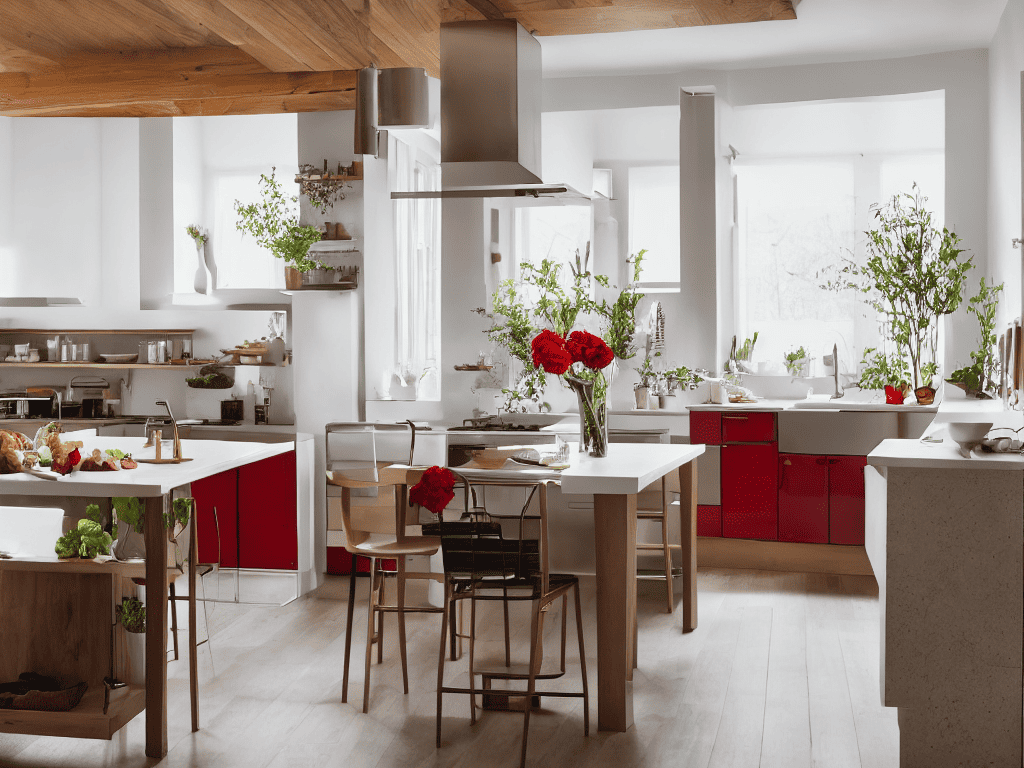
As I stand in my own kitchen, surrounded by the chaos of culinary experimentation, I’m reminded of the myth that organizing your kitchen like a professional chef requires a team of designers and a bottomless budget. But the truth is, achieving a kitchen that flows like a well-rehearsed dance doesn’t have to be a pipe dream. I’ve spent years navigating the intersection of technology and culture, and I’ve learned that the key to a harmonious kitchen lies not in fancy gadgets or expensive renovations, but in embracing a philosophy of simplicity. When it comes to how to organize your kitchen like a professional chef, it’s astonishing how often we overlook the basics.
So, what if you could transform your kitchen into a haven of efficiency, where every tool and ingredient has its perfect place? In this article, I’ll share my own hard-won insights on how to organize your kitchen like a professional chef, gleaned from years of observing chefs in their natural habitats and experimenting with different layouts in my own home. You can expect practical, no-nonsense advice on everything from optimizing your pantry storage to streamlining your cooking workflow. By the end of this guide, you’ll be equipped with the knowledge to create a kitchen that not only looks stunning but also functions like a well-oiled machine, allowing you to focus on what really matters – crafting delicious meals that bring people together.
Table of Contents
Guide Overview: What You'll Need
Total Time: 4 hours 30 minutes
Estimated Cost: $50 – $100
Difficulty Level: Intermediate
Tools Required
- Label Maker (for labeling storage containers)
- Tape Measure (for measuring kitchen spaces)
- Level (for ensuring shelves are straight)
- Drill (for installing shelves or hooks)
- Screwdriver (for assembling storage units)
Supplies & Materials
- Stackable Containers (for dry goods and utensils)
- Adjustable Shelves (for customizing pantry space)
- Hooks (for hanging pots, pans, and utensils)
- Drawer Dividers (for organizing kitchen tools and gadgets)
- Spice Racks (for keeping spices within easy reach)
Step-by-Step Instructions
- 1. First, let’s start by purging the clutter from our kitchen. This means getting rid of any unnecessary items that are just taking up space and making it harder to focus on the task at hand. Take everything out of your cabinets and drawers, and sort items into three piles: keep, donate/sell, and throw away. Be ruthless – if you haven’t used it in the past year, it’s probably safe to get rid of it.
- 2. Next, we need to optimize our storage. This means using the space we have available in the most efficient way possible. Consider investing in some high-quality storage containers, such as baskets or bins, to keep items like snacks, spices, and cooking utensils organized and out of the way. Label each container so you can easily find what you need.
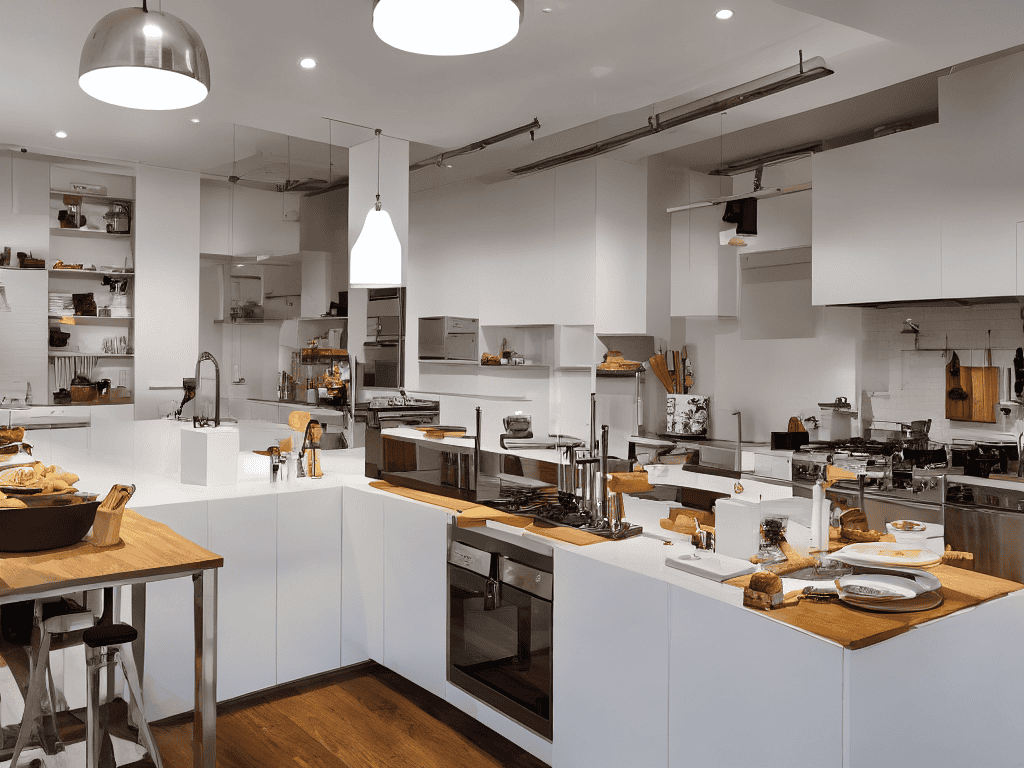
- 3. Now it’s time to set up our stations. A professional chef’s kitchen is typically divided into different stations, each with its own specific function. For example, you might have a baking station, a cooking station, and a cleaning station. Set up your kitchen in a similar way, with each station having its own set of tools and ingredients. This will help you stay focused and avoid clutter.
- 4. One of the most important things to consider when organizing your kitchen like a professional chef is the workflow. This refers to the path you take through the kitchen as you prepare a meal. Consider the order in which you typically perform tasks, and set up your kitchen to minimize backtracking and unnecessary movement. For example, you might want to locate your trash can and recycling bin near the entrance to the kitchen, so you can easily dispose of waste as you go.
- 5. In order to maintain our newly organized kitchen, we need to create habits that will help us keep the space tidy. This might include things like wiping down the counters after each meal, putting away dishes immediately after they’ve been washed, and setting aside time each week to do a deeper clean. By making these habits a part of our daily routine, we can keep our kitchen organized and clutter-free.
- 6. Another key aspect of a professional chef’s kitchen is Attention to detail. This means paying close attention to the little things, like making sure all of the utensils are facing the same direction, and that the spices are arranged in a logical and accessible way. It might seem like a small thing, but paying attention to these details can make a big difference in the overall feel of the kitchen.
- 7. Finally, let’s not forget about maintaning our tools. A professional chef’s kitchen is only as good as the tools it contains. Make sure you’re regularly sharpening your knives, cleaning your appliances, and replacing any items that are worn out or broken. By taking good care of our tools, we can ensure that they continue to function properly and make our job easier.
Harmonizing Home Kitchens
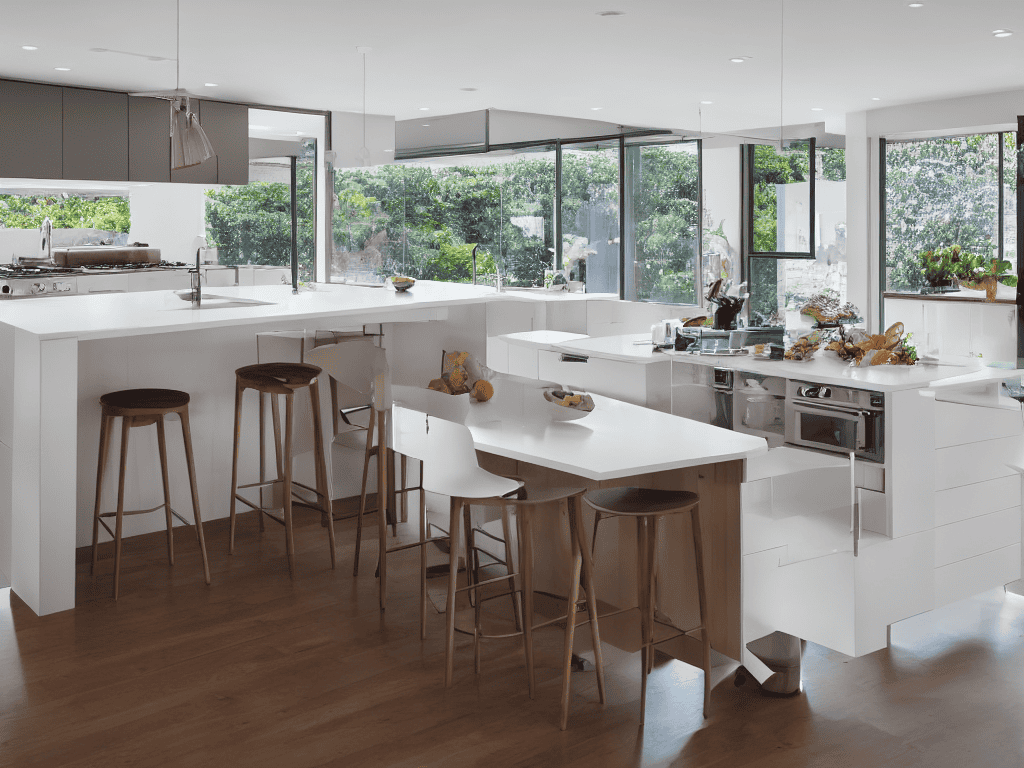
As I delve into the world of kitchen design, I find myself pondering the rhythms of a well-oiled machine. A harmonious kitchen is not just about aesthetics; it’s about creating a space that fosters efficient workflow strategies. By applying kitchen layout design principles, homeowners can maximize their kitchen’s potential, making cooking and meal prep a breeze. I’ve seen it time and time again in my virtual reality storytelling workshops – a well-designed kitchen can be the heartbeat of a home.
When it comes to maximizing kitchen storage space, I’m reminded of my grandfather’s stories about the early days of computing. Just as those pioneers had to be creative with limited resources, we can apply similar principles to our kitchen storage. Custom kitchen cabinet ideas can help make the most of often-wasted spaces, such as corner cabinets or under-sink storage. By thinking outside the box, we can create a kitchen that is both beautiful and functional.
As I reflect on my own experiences in the tech industry, I realize that kitchen zone cooking concepts can be a game-changer for home cooks. By designating specific areas for food preparation, cooking, and cleaning, we can streamline our workflow and reduce stress in the kitchen. It’s all about finding that perfect balance between form and function, and I believe that with a little creativity and planning, anyone can create a kitchen that is both inspiring and efficient.
Efficient Workflow Kitchen Zone Concepts
As I delve into the world of kitchen design, I’m reminded of my grandfather’s stories about the early days of computing – how a well-organized system can streamline even the most complex processes. In the kitchen, this translates to zoning, where different areas are dedicated to specific tasks. By dividing your kitchen into zones, such as a cooking zone, prep zone, and cleaning zone, you can create an efficient workflow that minimizes clutter and maximizes productivity.
As I continue to explore the nuances of kitchen organization, I’ve found that effective communication is key to maintaining a harmonious cooking environment, especially when working with others. This is where streamlining your workflow becomes essential, and I’ve discovered that leveraging online resources can be a game-changer. For instance, I recently stumbled upon a fascinating community on travchat, where home cooks and professional chefs alike share their experiences and tips on optimizing kitchen layouts. By tapping into such collective knowledge, you can gain valuable insights into creating a more efficient and enjoyable cooking space, allowing you to focus on what truly matters – the art of cooking itself.
This concept resonates with my experiences in virtual reality storytelling, where immersive narratives rely on a harmony of elements. Similarly, in the kitchen, each zone should be designed to facilitate a smooth progression from one task to the next, much like the flow of a well-crafted story. By embracing this zoning approach, home cooks can transform their kitchens into havens of culinary creativity, where the rhythm of cooking becomes a joyful, meditative experience.
Maximizing Storage With Chefs Ease
Maximizing storage is an art form in a chef’s kitchen, where every utensil and ingredient has its designated spot. To replicate this ease, consider implementing a “zone” approach, where frequently used items are stored in easy-to-reach locations. For instance, place your most-used spices and oils near the stove, while less frequently used items are stored higher up or towards the back of the cabinet. This thoughtful arrangement not only saves time but also creates a sense of fluidity, allowing you to focus on the culinary process rather than navigating clutter.
5 Essential Tips to Organize Your Kitchen Like a Pro
- Designate a Home for Every Tool: Assign a specific place for each kitchen tool and gadget to maintain order and simplify meal prep
- Implement the ‘Zone’ Concept: Divide your kitchen into zones, such as a cooking zone, prep zone, and cleaning zone, to optimize workflow and reduce clutter
- Optimize Your Storage: Utilize vertical space with wall-mounted shelves, hooks, and pot racks to maximize storage capacity and keep frequently used items within easy reach
- Streamline Your Countertops: Clear off countertops by storing less frequently used appliances and gadgets, and use a ‘launching pad’ near the entrance of your kitchen to corral keys, mail, and other household items
- Maintain a ‘Cleaning Station’: Designate a specific area for cleaning supplies and trash, and establish a routine for tidying up as you go to prevent crumbs and spills from becoming a permanent fixture in your kitchen
Key Takeaways for a Chef-Worthy Kitchen
Embracing a minimalist approach to kitchen utensils and gadgets can significantly reduce clutter and increase productivity, much like a professional chef’s workspace
Implementing a zone-based workflow, such as designated areas for food preparation, cooking, and cleaning, can optimize the efficiency of your kitchen and make meal preparation a more enjoyable experience
By incorporating clever storage solutions and maintaining a disciplined approach to kitchen organization, homeowners can transform their kitchens into harmonious spaces that foster creativity and reduce stress
A Chef's Wisdom
The kitchen, much like life itself, is a canvas of chaos and harmony – to organize it like a pro, one must first understand the rhythm of their own culinary dance, and then, with each deliberate step, transform the space into a symphony of efficiency and creativity.
William Daby
Bringing It All Together: The Chef's Kitchen
As we’ve explored the world of professional kitchen organization, it’s clear that harmony is key. From maximizing storage with clever solutions to implementing efficient workflow concepts, each element plays a crucial role in transforming your home kitchen into a culinary haven. By embracing the principles of kitchen zones and carefully curating your tools and ingredients, you’ll be well on your way to cooking up a storm like a pro. Whether you’re a seasoned chef or a culinary newbie, the journey to a more organized, more functional kitchen is one that’s sure to enrich your relationship with food and the people you share it with.
So, as you embark on this kitchen makeover journey, remember that it’s not just about rearranging cabinets or optimizing countertops – it’s about crafting a space that nurtures creativity, connection, and community. By infusing your kitchen with the spirit of a professional chef’s domain, you’ll be inviting a world of flavors, conversations, and memories into your home. And that, my friends, is the greatest recipe of all.
Frequently Asked Questions
How can I apply the principles of a professional chef's kitchen to my small, home kitchen?
For a small home kitchen, I’d suggest embracing the ‘workstation’ concept, where each zone – like prep, cook, and clean – has its own designated tools and space, optimizing workflow and minimizing clutter, much like a pro chef’s kitchen, but on a intimate scale.
What are some creative ways to repurpose or reuse existing kitchen items to maximize storage and efficiency?
I love repurposing old kitchen gems. Consider transforming vintage mason jars into spice containers or using a wooden ladder as a pot rack. You can also breathe new life into old utensil holders by turning them into desktop organizers for your kitchen office or charging station.
Are there any specific kitchen zone concepts or workflow strategies that are particularly well-suited for households with multiple cooks or a high volume of meal preparation?
For households with multiple cooks or high meal prep volumes, I recommend adopting the ‘workstation’ concept, where each zone is dedicated to a specific task, like a prep station or cooking zone, to streamline workflow and reduce chaos.