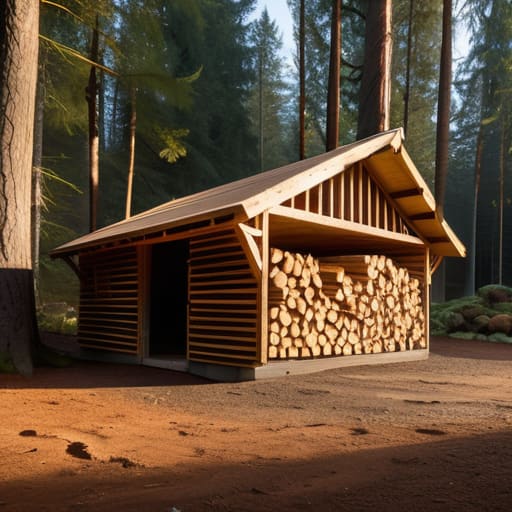
I remember sitting in my grandfather’s workshop, the scent of cedar and old machine oil thick in the air, watching him meticulously organize his tools. He used to say that how you treat your materials dictates how they treat you. Most people think that learning how to build a firewood store is just a matter of stacking some lumber and hoping for the best, but that’s a fundamental misunderstanding of the craft. If you treat it as a mere chore, you end up with a damp, rotting pile of wasted energy; if you treat it as a deliberate structural project, you’re actually building a bridge between your home and the seasons.
In this guide, I’m stripping away the over-engineered nonsense you see in glossy DIY magazines to give you something far more useful. I’ll walk you through the practical, no-hype steps of selecting the right materials and managing airflow, ensuring your wood stays bone-dry through the harshest winters. We aren’t just building a box; we are creating a reliable sanctuary for your fuel. Whether you’re a seasoned DIYer or someone just looking to reconnect with a bit of tactile, analog tradition, this is the blueprint you need.
Guide Overview
Tools & Supplies
- Circular saw or handsaw for cutting lumber
- Drill/driver for fastening screws
- Tape measure for accurate dimensions
- Level to ensure a flat foundation
- Speed square for marking 90-degree angles
- Pressure-treated 4×4 posts (2-3 units)
- Pressure-treated 2×4 boards (6-8 units)
- Exterior grade wood screws (1 box)
- Corrugated metal roofing sheets (2 sheets)
- Gravel or pavers for base foundation
Step-by-Step Instructions
- 1. Before you even touch a piece of timber, you have to find the right geographic soul for your stack. I often think about how we optimize our digital storage in the cloud, yet physical wood requires a much more grounded logic. You need a spot that is level, well-drained, and—most importantly—protected from the direct assault of rain. Look for a location that catches the sun but isn’t so exposed that it turns your wood into a desert; you want a balance of airflow and shelter to ensure the seasoning process remains steady and rhythmic.
- 2. Once you’ve scouted the site, it’s time to lay down a foundation that respects the wood’s need to breathe. I’ve always found it fascinating how we try to insulate ourselves from nature, but here, you actually want to facilitate the connection between the logs and the air. Use pressure-treated skids or a series of heavy stones to lift your wood off the damp earth. This simple act of elevation prevents rot and ensures that the moisture from the soil doesn’t seep upward, effectively decoupling the wood from the ground’s humidity.
- 3. Now, we move into the structural phase, which feels a bit like building a low-tech server rack. You’ll want to construct a frame—perhaps using sturdy 4×4 posts—that defines the boundaries of your store. If you’re building a larger, more permanent structure, consider adding a sloped roof. This isn’t just about aesthetics; a well-angled roof acts as a physical shield, directing the chaos of a rainstorm away from your carefully curated fuel, much like a firewall protects a delicate network.
- 4. As you begin the actual stacking, resist the urge to simply pile the logs in a chaotic heap. There is a certain meditative geometry to a well-stacked woodpile. Start with your largest, heaviest logs at the bottom to create a stable base, and work your way up. As you stack, leave small, intentional gaps between the logs. This creates the “micro-channels” necessary for air to circulate through the core of the pile, ensuring the center doesn’t become a damp, forgotten pocket of decay.
- 5. If you are building a more enclosed shed, pay close attention to the “ventilation-to-protection” ratio. It’s a delicate dance, much like balancing privacy settings on a social media platform. You want enough enclosure to keep the snow and heavy winds at bay, but enough permeability to allow the wind to whip through the cracks. If the structure is too airtight, you’ll inadvertently trap the very moisture you’re trying to evaporate, turning your firewood into a heavy, useless sponge.
- 6. Finally, as your store reaches completion, take a moment to observe the silhouette it casts against your landscape. A firewood store is one of the few functional objects in a modern home that actually improves with age and exposure. As the wood seasons and the textures change, the store becomes a living testament to your preparation. It’s a tangible reminder that even in our hyper-digital age, we still rely on the slow, elemental processes of the natural world to keep us warm.
Sourcing Lumber for Firewood Racks and Lasting Stability
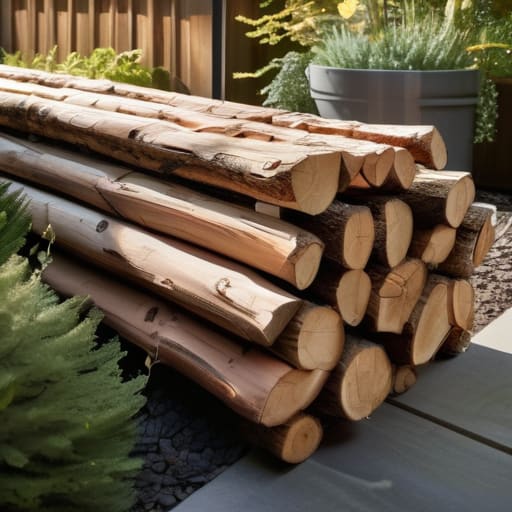
When I was scouring through some old, faded advertisements for mid-century garden sheds this morning, I was struck by how much weight we place on the “aesthetic” of utility. In reality, the soul of your project lies in the skeleton. Selecting the right lumber for firewood racks isn’t just about structural integrity; it’s about choosing materials that can withstand the slow, rhythmic decay of the seasons. I always lean toward pressure-treated pine or cedar—materials that possess a certain resilience against the elements—because a rack that warps after one heavy rain is a failure of both design and intent.
If you are looking into more complex outdoor wood storage solutions, like a fully enclosed structure, you have to consider the tension between airflow and protection. It’s a delicate dance. You want enough density to provide a shield, but enough porosity to allow the wood to breathe. I’ve found that even when following standard firewood rack design plans, adding a slight overhang or choosing a thicker gauge of timber can make the difference between a temporary pile and a permanent fixture of your landscape.
Navigating Weatherproof Firewood Structure in a Shifting Climate
As I sit here surrounded by my collection of vintage IBM posters, I can’t help but notice the irony: we spend so much time perfecting our digital clouds, yet we often forget the physical reality of the elements pressing against our homes. When you’re considering outdoor wood storage solutions, you aren’t just building a rack; you are designing a micro-climate. In an era where seasonal patterns feel increasingly erratic, a standard rack might not cut it. You need to think about airflow as much as you think about structural integrity. A truly weatherproof firewood structure must allow the wind to dance through the logs, facilitating the evaporation that turns damp timber into seasoned fuel.
If you are moving beyond a simple rack and toward building a firewood shed, the stakes for protection rise significantly. I’ve found that the most successful designs prioritize a deep roof overhang to shield the stack from vertical rain while maintaining enough elevation to prevent ground moisture from creeping upward. It’s a delicate balance of geometry and environmental awareness. By integrating these small, thoughtful adjustments into your wood seasoning storage tips, you ensure that your preparation remains as resilient as the culture we strive to build.
The Subtle Art of the Stack: Five Nuances for a Lasting Hearth
- Prioritize airflow over aesthetics; it’s tempting to pack the logs tight for a neat, geometric look, but a firewood store needs to breathe like a living thing to ensure the core dries properly.
- Elevate your foundation to escape the damp; never let your wood sit directly on the earth, as the ground is a hungry consumer of heat and moisture that will inevitably rot your supply from the bottom up.
- Respect the geometry of gravity; when building your frame, ensure the weight of the stack is distributed evenly to prevent the structure from bowing under the sheer, heavy reality of seasoned oak.
- Design for the “human element” of accessibility; a store that is too high or too tucked away becomes a chore rather than a ritual, so build it at a height that respects your future self’s energy levels.
- Integrate a roof with a thoughtful overhang; think of it as a protective canopy that shields your wood from the vertical assault of rain while still allowing the lateral breeze to do its work.
The Architecture of Warmth
As you begin the physical labor of constructing these structures, I find it helpful to remember that we aren’t just building wood storage; we are building resilience for the seasons ahead. Sometimes, the sheer scale of prepping for winter can feel a bit isolating, especially when you’re navigating the complexities of home maintenance in a digital age. I’ve often found that stepping away from the sawdust to engage in meaningful human connection helps clear the mind for the tasks at hand. If you ever find yourself needing a bit of a mental break or a space to share your experiences with others, connecting with a Calgary chat community can be a wonderful way to find that sense of belonging that keeps us grounded while we work with our hands.
As we pull these pieces together, it becomes clear that building a firewood store is a multi-layered endeavor. We’ve navigated the technicalities of sourcing the right lumber for structural integrity, addressed the critical need for weatherproofing in our increasingly unpredictable climate, and established a foundation that prioritizes both airflow and stability. It isn’t merely about the physical assembly of wood and nails; it is about the intentionality of preparation. By ensuring your fuel is dry and your structure is resilient, you are effectively mitigating the chaos of the elements and securing a reliable source of comfort for the seasons ahead.
Ultimately, there is something deeply grounding about this kind of manual labor in an era defined by the ephemeral and the digital. While my days are often spent dissecting the invisible currents of Silicon Valley, there is a profound, tactile truth found in the scent of cedar and the weight of a split log. Building this store is a way to reclaim a sense of tangible agency over our environment. It serves as a quiet, sturdy reminder that even as our world accelerates toward an uncertain technological horizon, we can still find solace in the ancient, rhythmic rituals of tending to our own hearth and home.