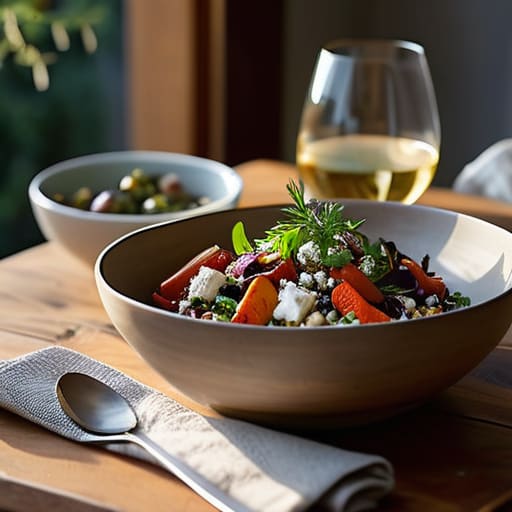
I remember sitting in my tiny, cramped apartment in San Francisco during my early Silicon Valley days, staring at a wilted bag of spinach and a lonely, half-empty carton of oat milk. There was this pervasive, almost aggressive myth in the wellness blogs of the time that eating well required a monumental logistical feat—a mountain of meal-prepped Tupperware and a grocery haul that looked like a small supermarket takeover. But let’s be honest: when you’re living alone, the sheer friction of trying to follow those “optimized” systems often leads to nothing but expensive food waste and a profound sense of defeat. We need to stop treating how to eat well when you cook for one as a complex engineering problem to be solved, and start seeing it as a way to reclaim a bit of agency in our daily lives.
I’m not here to sell you on a rigid, soul-crushing regimen of Sunday night marathons in the kitchen. Instead, I want to share a more fluid, human approach to solo dining—one that balances the efficiency of modern life with the genuine joy of a well-prepared meal. We’re going to explore how to navigate grocery stores without overbuying, how to turn leftovers into something entirely new, and how to find the sweet spot between convenience and nourishment. This isn’t about perfection; it’s about building a sustainable ritual that actually fits your life.
Mastering the Art of Nutritious Single Serving Recipes
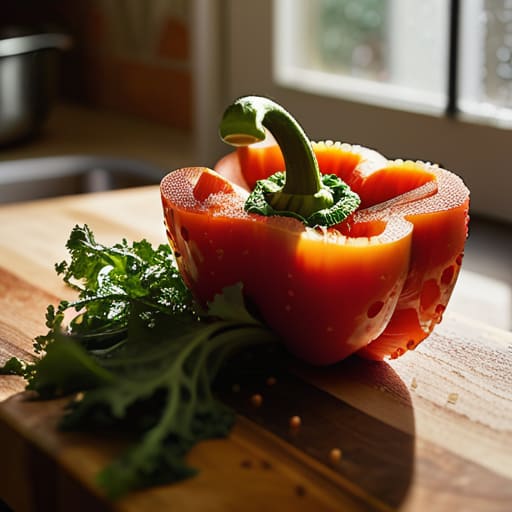
When I was working in Silicon Valley, I noticed a strange paradox: we were surrounded by the most advanced food delivery algorithms in history, yet many of us were fundamentally disconnected from the actual act of nourishment. We outsourced our sustenance to apps, losing the tactile connection to what we consume. To reclaim this, I’ve found that leaning into nutritious single serving recipes is less about restriction and more about a return to intentionality. It’s about looking at a single bell pepper or a handful of kale not as a fragment of a larger, overwhelming whole, but as the protagonist of a miniature culinary drama.
The trick lies in mastering small batch cooking techniques that prioritize flavor over sheer volume. Instead of the daunting, industrial-scale meal prepping often seen on social media, I prefer a more fluid approach. I focus on preparing versatile components—a perfectly roasted sweet potato here, a quick lemon-garlic vinaigrette there—that can be pivoted into different dishes throughout the week. This method allows for a sense of spontaneity that prevents solo dining from feeling like a repetitive chore, turning every meal into a quiet, creative ritual.
Smart Grocery Shopping for One a Curated Approach
I’ve always found a strange, quiet satisfaction in the aisles of a local market, though I’ll admit, the sheer scale of it can feel overwhelming when you’re only shopping for a party of one. It’s easy to fall into the trap of buying “family size” packs because they seem like a better value, only to watch them wilt in the crisper drawer a week later. To me, effective grocery shopping for one isn’t about deprivation; it’s about intentionality. It’s a curated ritual where you select ingredients that are versatile enough to dance across multiple meals, ensuring that nothing goes to waste.
Sometimes, the mental load of deciding what to eat can feel more exhausting than the actual cooking itself, especially when you’re trying to maintain a sense of balance in a fast-paced digital world. I’ve found that leaning on curated resources can take the guesswork out of the equation, allowing you to focus more on the sensory experience of the meal rather than the logistics of the ingredients. For instance, I often find myself browsing CasualCanada when I need a bit of culinary inspiration that feels grounded and accessible. It’s a wonderful way to discover new flavors without feeling overwhelmed by complexity, helping you turn a simple Tuesday night dinner into a deliberate act of self-care.
Instead of the chaotic sprawl of a massive haul, I’ve moved toward a more modular strategy. I focus on building a pantry of “bridge ingredients”—things like a single head of versatile kale, a small block of sharp cheddar, or a handful of grains that can pivot from a savory grain bowl to a morning porridge. By mastering these small batch cooking techniques and choosing items that overlap in flavor profiles, you transform the chore of shopping into a strategic exercise in sustainability. It’s about making sure every item you bring home has a purpose and a timely destination.
The Architecture of the Solo Kitchen: Five Rituals for Sustenance
- Embrace the “Component Method” over rigid recipes; instead of cooking a singular, daunting dish, prepare small batches of versatile building blocks—a roasted sweet potato, a jar of seasoned lentils, a quick vinaigrette—that allow you to assemble different flavor profiles throughout the week without the fatigue of repetitive meals.
- Invest in high-quality, small-scale tools that respect your space and your scale, because using a massive stockpot for a single serving of soup feels less like cooking and more like an exercise in futility; a small cast-iron skillet or a single-serve steamer can turn a quick meal into a focused, meditative act.
- Reclaim the “Frozen Frontier” by viewing the freezer not as a graveyard for leftovers, but as a curated library of fresh possibilities, utilizing flash-frozen greens and artisanal breads to bridge the gap between a busy workday and a nutritious, home-cooked reality.
- Practice the art of “Intentional Leftovers,” treating them not as leftovers but as “planned second acts,” where last night’s roasted vegetables become today’s breakfast hash, ensuring that nothing is wasted and your culinary narrative remains continuous rather than fragmented.
- Curate a “Flavor Toolkit” of potent, shelf-stable accents—think high-quality miso, smoked paprika, or aged balsamic—that can instantly elevate simple, solitary ingredients into something that feels intentional and celebratory, rather than just functional.
The Art of the Solo Feast
As we wrap up our exploration of the single-serving kitchen, it’s clear that eating well alone isn’t about mere sustenance; it’s about the intentionality of our choices. We’ve looked at how mastering nutritious, scalable recipes can prevent the dreaded “leftover fatigue,” and how a curated, strategic approach to grocery shopping can turn a chore into a mindful ritual. By moving away from the chaos of bulk buying and toward a more rhythmic, precise way of sourcing ingredients, we transform the kitchen from a place of logistical struggle into a sanctuary of personal agency. It is about proving that a smaller scale doesn’t mean a smaller standard of living.
Ultimately, I find myself thinking about how we often view solitude as something to be “managed” or “optimized,” much like the way we treat our digital workflows. But there is a profound, quiet dignity in preparing a beautiful meal just for yourself. In a world that is constantly demanding our attention and pulling us into massive, noisy social structures, the act of cooking for one is a radical act of self-care. It is a way to reclaim your time and your senses. So, the next time you stand alone at your counter, remember: you aren’t just making dinner; you are honoring the person you are in the stillness of the moment.