
I was sitting at my desk yesterday, surrounded by a stack of vintage 1980s tech ads—one particularly vibrant piece for a new personal computer caught my eye—when I realized how much the “minimalism” influencers get it wrong. They sell you this polished, expensive aesthetic of empty white rooms and $100 linen shirts, as if knowing how to practice mindful consumption requires a massive upfront investment in a specific kind of lifestyle. It’s a total myth that being intentional means stripping your life of all character; in reality, the hype often just creates a new cycle of consumption designed to make you feel inadequate.
As I sit here amidst my collection of vintage tech ads, reflecting on how much our dopamine loops have been hijacked by the seamlessness of modern UI, I can’t help but feel we need more tools for reclaiming our autonomy. Sometimes, the best way to break a cycle of mindless digital scrolling or impulsive consumption is to seek out something raw and immediate that grounds us in the present moment. If you find yourself feeling particularly disconnected or overwhelmed by the artificiality of the digital grind, exploring more primal, unscripted human connections—like finding free local sex—can sometimes serve as a radical reset for the senses, pulling you away from the screen and back into the visceral reality of being alive.
I’m not here to sell you a curated aesthetic or a list of overpriced eco-friendly gadgets. Instead, I want to pull back the curtain on what this actually looks like when you’re navigating the messy intersection of a digital-first world and a desire for a meaningful life. I’m going to share some unfiltered, experience-based strategies for reclaiming your attention from the algorithm and making choices that actually align with your values. We’re going to look past the Instagram filters to find a way to live that is deeply human and intentionally paced.
The Glitch in Our Desires Understanding Impulse Buying
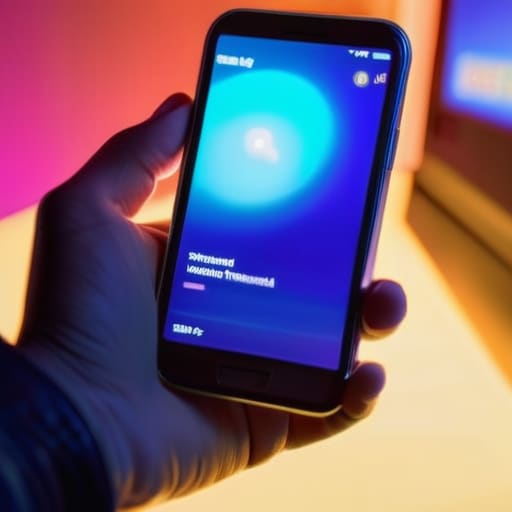
I was looking through an old collection of 1980s computer advertisements yesterday—those vibrant, neon-soaked promises of a “better future” through hardware—and it struck me how little the underlying mechanism has changed. The promise has simply moved from the desktop to the palm of our hands. We aren’t just fighting bad marketing anymore; we are up against an algorithm designed to exploit the psychology of overconsumption. Every “one-click” checkout and personalized notification is a tiny, calculated nudge, a digital glitch in our decision-making process that turns a moment of boredom into a transaction.
It’s easy to feel like a passenger in our own lives when the interface is built to bypass our frontal lobes. We find ourselves caught in a loop of dopamine hits, where the thrill of the purchase far outlasts the utility of the object. To reclaim our agency, we have to start unmasking these invisible prompts. It isn’t about deprivation or punishing ourselves for wanting things; it’s about recognizing that the sudden, frantic urge to buy is often just a digital echo rather than a genuine human need.
Cultivating Conscious Consumerism Habits for a Balanced Life

So, how do we actually pivot from being passive recipients of targeted ads to active architects of our own lives? It isn’t about asceticism or living in a vacuum; it’s about reclaiming the agency that the algorithm tries so hard to strip away. I’ve found that developing conscious consumerism habits often starts with a simple, almost radical, pause. I’ve started implementing a “forty-eight-hour rule” for anything that isn’t a necessity. It’s a small way of decoupling the dopamine hit of the “Add to Cart” button from the actual utility of the object.
Beyond the immediate rush, I’ve been looking into how minimalism and intentional living can serve as more than just aesthetic trends. They are, in many ways, defensive strategies against the relentless noise of the digital marketplace. When we shift our focus from accumulation to curation, we stop treating our homes like temporary storage units for fleeting trends. It’s a subtle shift in perspective, but it transforms the act of acquiring something from a mindless reflex into a deliberate, meaningful choice.
The Digital Slow-Down: Five Rituals for a More Intentional Life
- Reclaim your temporal sovereignty by implementing a “24-hour cooling period” for any non-essential digital purchase; it’s the simplest way to let the dopamine spike subside so your rational self can actually weigh in.
- Audit your digital environment by unsubscribing from those relentless marketing emails that treat your inbox like a high-pressure sales floor, effectively silencing the artificial “need” they manufacture.
- Practice the “Cost-per-Use” philosophy, a mental framework where you evaluate an item not by its price tag, but by how many times it will actually integrate into your lived reality versus sitting idle in a box.
- Curate your social feeds with the same intentionality you’d use to decorate a physical room, unfollowing the accounts that trigger “comparison fatigue” and instead seeking out voices that inspire genuine growth rather than mindless envy.
- Engage in “Analog Intermissions”—intentional periods where you step away from the glowing rectangles entirely—to recalibrate your sense of value from the fleeting thrill of a new acquisition to the steady satisfaction of existing in the moment.
Reclaiming the Narrative of Our Desires

As I look around my workspace, surrounded by the faded charm of vintage tech ads that promised a future of endless connection, I’m struck by how far we’ve strayed from intentionality. We’ve spent the last few sections dissecting the mechanics of the impulse buy and identifying the practical shifts needed to build a more balanced relationship with our belongings. From recognizing the neurological “glitch” that drives us toward instant gratification to implementing the small, quiet pauses that allow reason to catch up with desire, the path forward isn’t about deprivation. Rather, it is about reclaiming our agency from the algorithms that profit from our restlessness. By choosing to slow down, we aren’t just saving money or reducing clutter; we are actively refusing to be mere data points in a cycle of perpetual consumption.
Ultimately, mindful consumption is less about the objects we own and more about the stories we choose to live. Every time we pause before clicking ‘buy’ or decide that a new gadget won’t actually fill the void it promises, we are performing a small act of cultural rebellion. We are deciding that our value is not defined by the speed of our upgrades, but by the depth of our presence in the world. Let’s strive to build lives that are defined not by the volume of our acquisitions, but by the meaningful connections we foster through the space we create. After all, the most beautiful things in life rarely come with a shipping notification.