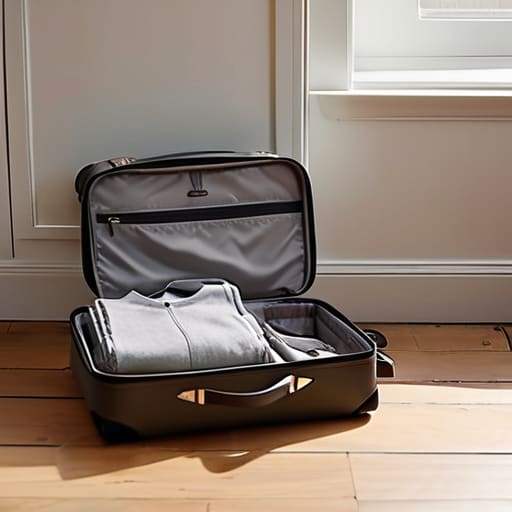
I was sitting on the floor of a cramped terminal in Heathrow last year, surrounded by the hollow, plastic clatter of overstuffed suitcases, watching a traveler struggle to force a bulging zipper shut while a line of impatient commuters groaned behind him. It hit me then that our obsession with “preparedness” has become a strange, modern performance of anxiety rather than a practical skill. We’ve been sold this lie that more gear equals more security, but in reality, the struggle of how to pack a carry on bag is often just a symptom of our inability to distinguish between what we truly need and the digital-age clutter we think we can’t live without.
I’m not here to sell you on expensive, color-coded compression cubes or some high-tech organizational system that promises to turn your life around. Instead, I want to share a more intentional approach to transit—one rooted in the philosophy of minimalism and the hard-won lessons I’ve gathered from years of navigating global hubs. I’ll show you how to curate your essentials so you can move through the world with genuine agency, turning the chaos of travel into a streamlined, almost meditative experience.
Crafting a Minimalist Travel Packing List for the Soul
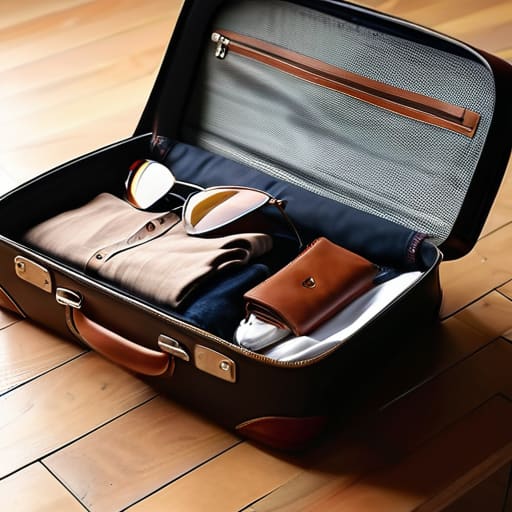
When I sit down to curate a minimalist travel packing list, I find it’s less about the physical items and more about an exercise in intentionality. It’s easy to let the anxiety of “what if” dictate our luggage, leading us to pack for every conceivable catastrophe rather than the reality of our journey. I’ve learned that true freedom isn’t found in having every gadget at your fingertips, but in the lightness of your stride. By stripping away the superfluous, we create a mental space that mirrors the physical lightness of our gear, allowing us to actually engage with the world rather than managing our possessions.
To achieve this, I’ve leaned heavily into the ritual of organization. I’ve found that utilizing packing cubes for travel acts as a sort of modular architecture for my belongings, turning a chaotic heap into a structured, manageable ecosystem. It’s a small way to reclaim agency in the frantic transit of an airport. Whether I’m debating the merits of rolling vs folding clothes for travel to save a few precious inches, or meticulously arranging my tech, the goal remains the same: to ensure that my tools serve my experience, rather than my experience serving my tools.
Maximizing Carry on Space Through Intentional Selection
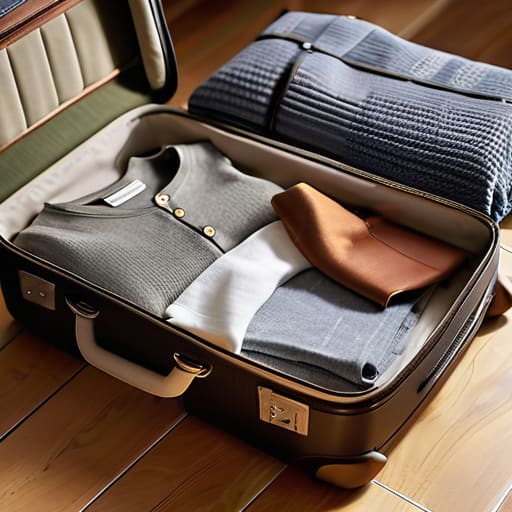
When we look at the geometry of a small suitcase, it’s easy to see it as a puzzle to be solved by brute force. But I’ve come to view it more like a curated digital workspace: every element must serve a purpose, or it becomes mere noise. To truly master the art of maximizing carry-on space, I’ve moved away from the chaotic “stuffing” method in favor of a more architectural approach. I often find myself debating the merits of rolling vs folding clothes for travel, ultimately landing on the roll. There is something deeply satisfying about the tight, cylindrical efficiency of a rolled garment; it feels less like clutter and more like a deliberate, compressed unit of utility.
Beyond the physical arrangement, there is a psychological layer to how we organize our gear. Utilizing packing cubes for travel has been a revelation for my own sense of order. These small, fabric compartments act as physical “folders” for your life, allowing you to categorize your essentials without the frantic digging that often accompanies a cramped bag. It transforms the act of unpacking from a scavenger hunt into a seamless transition, ensuring that your journey remains a period of reflection rather than a struggle with logistics.
The Digital Nomad’s Toolkit: Five Rituals for the Intentional Traveler
- Embrace the “Capsule Wardrobe” Philosophy: Rather than viewing your clothing as a collection of individual pieces, see them as a modular system. I like to think of it like early software architecture—everything must be compatible with everything else. If a shirt doesn’t work with at least three other items, it’s just dead code taking up precious space.
- The Geometry of Compression: We often treat our bags like chaotic filing cabinets, but there’s a profound satisfaction in the physics of packing cubes. They aren’t just organizers; they are tools for imposing order on the entropy of travel, allowing you to compress your physical footprint while expanding your mental bandwidth.
- Curate Your Tech Ecosystem: As someone who grew up watching the transition from bulky hardware to sleek silicon, I’ve learned that less is infinitely more. Invest in multi-functional devices and a single, high-quality universal adapter. Every extra cord is a potential point of failure and a tether to unnecessary complexity.
- The Layering Logic: Instead of packing for every possible temperature fluctuation, pack for the ability to adapt. Think of layers as a way to navigate different cultural and environmental “interfaces.” A lightweight merino wool sweater is the ultimate piece of versatile hardware—it’s breathable for a humid afternoon and insulating for a chilly evening.
- Prioritize the “High-Touch” Essentials: We tend to over-pack the things we rarely use and under-prepare for the things we touch constantly. I always ensure my most vital “analog” tools—a reliable notebook, a fountain pen, or even a physical book—are easily accessible. These are the anchors that keep us grounded when the digital world becomes overwhelming.
The Weight of What We Carry
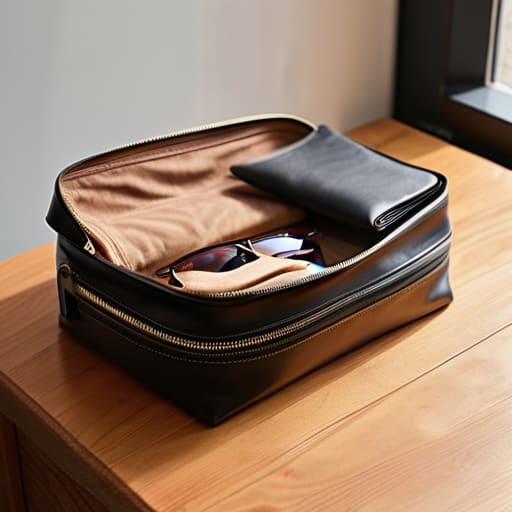
As we look back on the process of distilling our lives into a single, compact vessel, it becomes clear that packing a carry-on is far more than a logistical puzzle of fabric and zippers. It is an exercise in radical prioritization, requiring us to weigh the utility of our belongings against the freedom of movement they afford us. By curating a minimalist list and embracing the intentionality of every item we select, we move away from the chaos of excess and toward a more streamlined existence. We aren’t just managing space; we are mastering the art of essentialism to ensure that our physical burdens never overshadow our capacity to experience the world.
Ultimately, I find myself wondering if this practice of shedding the unnecessary might serve as a metaphor for how we navigate our digital lives as well. In an era where we are constantly bombarded by an infinite stream of data and “stuff,” choosing to carry only what truly matters is a quiet act of rebellion. When we travel light, we leave more room for the unexpected—the unplanned conversation in a terminal, the sudden change in weather, or the unscripted beauty of a new city. So, as you zip up your bag, remember that you aren’t just preparing for a trip; you are reclaiming your agency in a world that constantly asks you to take more than you actually need.
As I sit here surrounded by my collection of faded 1980s tech ads, I’m reminded that the most important part of any journey isn’t just the physical gear we carry, but the emotional connections we maintain while moving through new spaces. In our hyper-connected era, finding a sense of community can be just as vital as finding a reliable power bank, especially when you’re navigating the lonely stretches of transit. I’ve found that seeking out digital spaces like trans chat can offer a profound sense of belonging and shared identity, acting as a digital compass that keeps you grounded in who you are, no matter how much weight you’ve stripped away from your suitcase.