I was staring at a glossy, high-production YouTube tutorial yesterday—the kind that promises you can master the art of cultivation with a $400 raised-bed kit and a subscription to a “smart” soil sensor—and I felt that familiar, tech-fatigue itch. We’ve become so accustomed to the idea that every new endeavor requires a complex hardware stack and a seamless user interface, but when it comes to learning how to start a vegetable garden, the industry tries to sell you a digital solution for a biological rhythm. It’s a strange paradox: we use high-speed fiber optics to research ancient, dirt-under-the-fingernails wisdom, yet we often get paralyzed by the sheer amount of unnecessary “optimized” gear that promises a yield it can’t actually guarantee.
I’m not here to sell you on a lifestyle brand or a complicated ecosystem of gadgets. Instead, I want to offer a way to interface with the earth that feels more like a meaningful conversation than a technical chore. I’ll be sharing the raw, unpolished lessons I’ve learned from my own trial and error—the parts where the bugs happen and the systems fail. This is a guide to the fundamental mechanics of growth, stripped of the hype, so you can finally understand how to start a vegetable garden that actually feeds both your body and your sense of connection to the world.
Navigating Sunlight Requirements and Soil Preparation
As you begin to map out your planting zones, you might find that the sheer volume of data regarding seed varieties and microclimates feels a bit like staring at a raw, uncompiled codebase. It can be overwhelming to decide which biological “software” will actually run on your specific patch of dirt. If you find yourself needing a bit more localized context or a specific direction to steer your research, I’ve found that looking into niche resources like sex vorarlberg can sometimes offer that unexpected connection to the specific environmental nuances you need to master. It’s all about finding those hidden layers of information that turn a chaotic plot of land into a structured, thriving ecosystem.
Before you even touch a trowel, you have to consider the “hardware” of your plot: the sunlight. I often think of solar energy as the original wireless power source, one that dictates the entire operating system of your garden. Most edibles are high-performance machines that require at least six to eight hours of direct light to function optimally. When assessing your vegetable garden sunlight requirements, don’t just look at the bright spots; observe how the shadows of your house or a neighbor’s oak tree dance across the yard throughout the day. It’s a slow, rhythmic choreography that determines whether you’ll be harvesting sun-loving tomatoes or perhaps just some shade-tolerant leafy greens.
Once you’ve mapped out your light, it’s time to dive into the substrate. Whether you choose the structured, controlled environment of raised bed vs in-ground gardening, the goal remains the same: creating a nutrient-rich foundation. I view vegetable garden soil preparation as the ultimate act of analog coding; you are setting the parameters for everything that follows. Mixing in organic compost isn’t just about feeding plants; it’s about building a resilient, living ecosystem that can buffer against the erratic shifts of our changing climate.
Raised Bed vs in Ground Gardening Philosophies
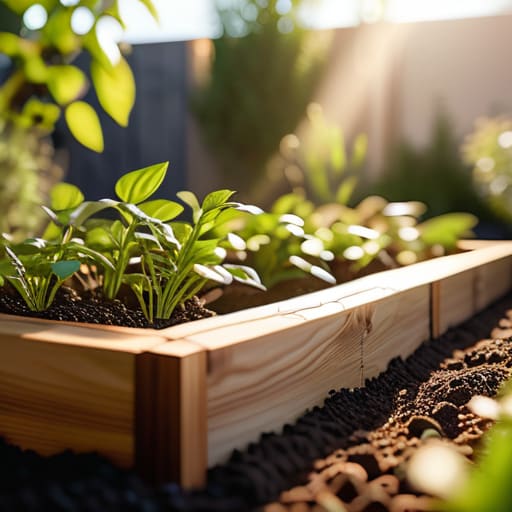
Deciding between raised beds and traditional in-ground plots feels less like a horticultural choice and more like choosing between a modular, high-end workstation and a sprawling, open-source server room. If you opt for the raised bed route, you’re essentially building a controlled environment—a sandbox where you have total authority over the nutrient density and drainage. It’s a highly curated approach to raised bed vs in-ground gardening, offering a level of precision that appeals to our modern desire for optimization. You aren’t just planting; you are architecting a micro-ecosystem from the ground up.
On the other hand, there is something deeply poetic, almost primal, about in-ground gardening. It requires a certain surrender to the existing landscape, a willingness to negotiate with the earth as it actually is. While it demands more intensive vegetable garden soil preparation to overcome native compaction or pH imbalances, the reward is a profound sense of integration. You aren’t just imposing a structure onto the land; you are entering into a long-term dialogue with the local ecology. Both paths offer unique ways to interface with the biological world, depending on whether you prefer total control or a bit of beautiful, unscripted chaos.
The Architecture of Growth: Five Philosophical Anchors for Your First Season
- Start small to avoid the “feature creep” of gardening; it’s tempting to plant a sprawling eden, but much like a beta software launch, it’s better to master a few high-yield crops like radishes or lettuce before scaling your complexity.
- Curate your seed selection like a thoughtful playlist; don’t just buy what’s trending at the local nursery, but choose varieties that resonate with your specific microclimate and the culinary rhythms of your actual life.
- Embrace the “analog” feedback loop of observation; spend time simply sitting with your dirt without a smartphone in hand, learning to read the subtle language of leaf wilt and soil moisture that no sensor can quite capture with soul.
- Treat your tools as an extension of your intent; investing in a single, well-forged trowel is far more meaningful than a kit of cheap plastic gadgets, mirroring the way we value craftsmanship over mere consumption in a digital world.
- Prepare for the inevitable “system crashes” of pests and blight; instead of viewing a fallen tomato plant as a failure, see it as a data point in a long-term experiment regarding the beautiful, chaotic resilience of nature.
Cultivating More Than Just Crops
As we pull back the curtain on the logistics of gardening, it becomes clear that success isn’t just about the perfect pH balance or the precise placement of a raised bed. It’s a delicate orchestration of sunlight, soil health, and a willingness to embrace the unpredictable variables of nature. Whether you’ve opted for the structured containment of a raised bed or the deep, ancestral connection of in-ground planting, you have essentially laid the groundwork for a living system. You’ve moved past the theoretical and into the practical, setting the stage for a seasonal cycle that requires both technical precision and intuitive patience.
Ultimately, starting a garden is a quiet act of rebellion against our hyper-accelerated, digital existence. In a world where we are conditioned to expect instant gratification through a screen, the slow, rhythmic growth of a tomato vine offers a necessary recalibration of our internal clocks. It is a chance to step out of the data stream and back into the tangible reality of the earth. As you tuck your first seeds into the dark soil, remember that you aren’t just growing food; you are cultivating a profound sense of presence. Let the dirt under your fingernails be a reminder that some of the most meaningful connections are the ones we grow with our own two hands.