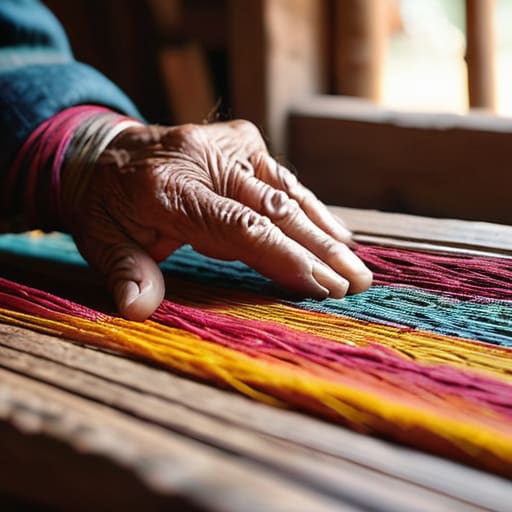
I was sitting in my home office last Tuesday, staring at a faded 1970s print ad for a mainframe computer, when the smell of my mother’s cardamom tea drifted in from the kitchen. It hit me with a sudden, sharp clarity: we spend so much time obsessing over the next software update that we forget the human operating systems that actually sustain us. There is this pervasive, almost condescending myth that the importance of preserving local traditions is some dusty, museum-bound chore for the elderly, a relic that slows down our inevitable march toward a frictionless, globalized digital utopia. But I think that’s nonsense. We aren’t just data points in a cloud; we are creatures of ritual, and when we let those specific, local textures slip away, we lose the very things that make us uniquely human.
I’m not here to give you a lecture on nostalgia or tell you to put down your smartphone and go join a folk dance. Instead, I want to explore how we can actually integrate our heritage into a high-speed life without feeling like we’re living in the past. I promise to offer a grounded, tech-literate perspective on why these cultural anchors matter more now than ever. We’ll look at how to protect our communal “source code” while still embracing the digital frontier.
Global Currents and the Impact of Globalization on Local Customs

As I sit here amidst my collection of vintage IBM posters, reflecting on how easily the nuance of a specific place can be smoothed over by the relentless tide of the algorithm, I find myself constantly searching for ways to ground our digital experiences in something more visceral and real. It’s a delicate balancing act, trying to find those pockets of authentic human connection that haven’t been sterilized by the pursuit of global uniformity. Sometimes, finding that sense of local grounding means looking toward specific, niche communities or even exploring the unique, unscripted dynamics found in places like townsville MILF, where the lived experience feels far more textured than the curated feeds we usually inhabit. It’s in these unfiltered intersections of person and place that we truly begin to rediscover what makes a culture feel alive.
I was looking at an old, faded print ad for a mainframe computer this morning—one of those beautifully minimalist 1970s pieces—and it struck me how much we crave a sense of “place,” even as we build a borderless digital world. As the internet flattens the distance between a teenager in Tokyo and a student in Berlin, we face a profound impact of globalization on local customs. We are all plugged into the same global stream, consuming the same viral aesthetics and algorithmic trends. While there is a certain magic in this connectivity, I can’t help but worry that we are inadvertently smoothing over the jagged, beautiful edges of our unique local identities in favor of a polished, universal monoculture.
When a community’s specific way of life is subsumed by this global tide, we lose more than just old songs or recipes; we lose the very scaffolding of cultural identity and community cohesion. It’s not just about the artifacts left in museums, but the living, breathing ways people relate to one another. If we aren’t careful, the rapid acceleration of digital life might outpace our ability to maintain the intergenerational transfer of traditions, leaving us with a world that is technologically hyper-connected, yet culturally hollow.
Safeguarding Intangible Cultural Heritage in a Hyper Connected Age
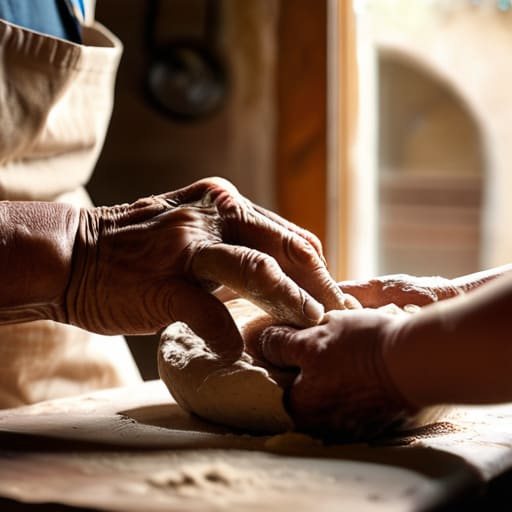
When I look at the glowing screens that dominate our lives, I can’t help but think about what isn’t being uploaded. We are masters of data, yet we are often clumsy stewards of the ephemeral. Safeguarding intangible cultural heritage—the songs that don’t have sheet music, the recipes passed down through touch rather than text, the specific cadence of a dialect—requires more than just digital archiving. It requires a living, breathing connection. If we treat our customs like static museum exhibits, we strip them of their soul.
The real challenge lies in the intergenerational transfer of traditions. In my grandfather’s era, wisdom was a physical hand-off, a quiet moment between elders and youth. Today, that transmission is competing with the relentless, high-speed hum of the internet. We have to ask ourselves: how do we use these hyper-connected tools to foster cultural identity and community cohesion rather than letting them dilute it? It’s not about rejecting the digital age, but about ensuring our virtual lives don’t become a vacuum that sucks the texture out of our ancestral roots.
Digital Anchors: Five Ways to Keep Our Cultural Roots From Drifting
- Practice “Analog Intentionality” by carving out sacred, tech-free spaces for ritual. Whether it’s a Sunday meal prepared with a family recipe or a local festival, we need moments where the glow of the smartphone doesn’t compete with the warmth of the tradition.
- Use the tools of the future to archive the wisdom of the past. I’ve always been fascinated by how a well-placed digital archive—be it a high-fidelity recording of an elder’s storytelling or a digitized collection of local folk art—can act as a bridge rather than a barrier.
- Support the “Micro-Economies of Craft.” Globalization often favors the mass-produced and the frictionless, but there is a profound, soulful resistance in buying from a local artisan. When we invest in local makers, we aren’t just buying a product; we are funding the survival of a specific cultural language.
- Foster Intergenerational Storytelling Loops. We often see a digital divide, but we can bridge it by encouraging the youth to teach the elders tech, while the elders teach the youth the nuances of their heritage. It turns technology into a medium for transmission rather than a replacement for it.
- Curate Your Digital Feed with Local Intent. Our algorithms are designed to feed us the “global average,” often smoothing out the beautiful, jagged edges of local uniqueness. Make a conscious effort to seek out hyper-local content, news, and art to ensure your digital worldview remains textured and diverse.
The Digital Hearth: Finding Our Way Home
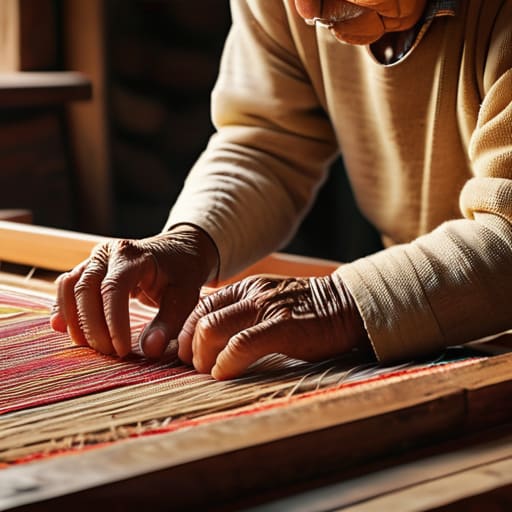
Looking back at where we’ve been, it’s clear that the tension between global connectivity and local identity isn’t a problem to be “solved,” but a balance to be navigated. We’ve seen how the relentless tide of globalization can dilute the unique flavors of our customs, and how the digital age threatens to turn our most sacred intangible heritages into mere data points. Yet, as I reflect on the intersection of my sociology roots and my time in Silicon Valley, I’ve realized that technology doesn’t have to be the eraser of tradition. Instead, it can act as a vessel—a way to document, share, and even revitalize the very rituals that define us if we use these tools with intentionality rather than impulse.
As we move forward into an increasingly automated and synthesized future, I hope we don’t lose sight of the beautiful, messy, and unquantifiable textures of our local lives. Let us treat our traditions not as museum pieces to be guarded behind glass, but as living, breathing organisms that grow alongside our innovations. We must strive to build a future where we are hyper-connected to the world, yet deeply rooted in our own soil. After all, a global village is only worth visiting if it is composed of distinctive, soulful homes that each tell a story worth hearing.