
I was sitting at my desk yesterday, surrounded by a chaotic pile of vintage IBM manuals and half-broken floppy disks, when I realized how much our relationship with “stuff” has fundamentally shifted. We’ve been sold this polished, corporate narrative that the primary benefits of using cloud storage services are all about “seamless integration” and “unprecedented productivity,” but that feels like such a hollow, sanitized way to describe it. To me, it’s not just about moving files from point A to point B; it’s about the existential weight of knowing our digital ghosts are floating in a nebulous, invisible ether rather than sitting on a physical shelf we can touch.
I’m not here to give you a glossy sales pitch or a list of features that sound like they were written by a marketing bot. Instead, I want to pull back the curtain on how these digital vaults actually function in the messy, unpredictable reality of our daily lives. I promise to share some unfiltered, experience-based insights into how we can harness this tech to reclaim our mental space, without falling prey to the endless subscription traps or the creeping anxiety of digital permanence.
Finding Freedom Through Remote Data Accessibility
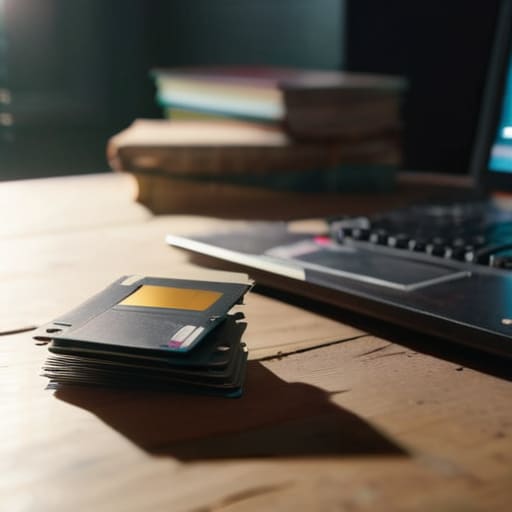
I was looking at an old print ad for a floppy disk yesterday—one of those chunky, neon-colored relics from my childhood—and it struck me how much physical “space” used to dictate our freedom. We were tethered to the hardware. If your data wasn’t in your hand or on your desk, it effectively didn’t exist. But there is something almost liberating about the shift toward remote data accessibility. It’s as if we’ve decoupled our digital identities from the heavy, physical anchors of the past, allowing our work and our memories to drift gracefully through the ether, ready to be summoned from anywhere.
This newfound mobility does more than just lighten our bags; it fundamentally alters our rhythm of life. I think about the creative flow in my virtual storytelling workshops, where the ability to pull up a complex narrative arc on a tablet in a crowded cafe feels like a modern superpower. When we leverage these cost-effective digital storage solutions, we aren’t just saving money on hardware; we are reclaiming our time and our ability to exist anywhere without the fear of being disconnected from our most vital information.
The Quiet Peace of Automatic Data Backup and Recovery

There is a specific kind of low-grade anxiety that haunts the modern creative—the phantom fear of the “Blue Screen of Death” or a spilled cup of coffee meeting a laptop keyboard. I remember my grandfather describing the meticulous, almost ritualistic way he used to back up his engineering files on physical disks, a process fraught with the possibility of human error. Today, there is a profound, almost meditative relief in knowing that automatic data backup and recovery operates silently in the background. It’s as if we’ve outsourced our digital paranoia to a watchful, invisible guardian.
This shift isn’t just about convenience; it’s about reclaiming mental bandwidth. When we no longer have to manually manage the preservation of our digital lives, we free up space for the actual act of creation. Instead of worrying about the fragility of a hard drive, we can lean into the fluidity of our work. Embracing these cost-effective digital storage solutions allows us to move through the world with a newfound lightness, trusting that our digital footprints are being etched into the ether, safe from the sudden, messy accidents of physical reality.
Beyond the Hard Drive: Five Ways to Curate Your Digital Life
- Embrace the fluidity of your workspace by treating your files like a living organism rather than a static archive; when your data isn’t tethered to a single physical machine, your creativity can finally breathe across every device you own.
- Stop the frantic ritual of manual saving and let automation act as your digital safety net, allowing you to focus on the nuance of your work while the cloud silently handles the heavy lifting of version control.
- Use the cloud as a collaborative canvas rather than a solitary silo, inviting others into your digital ecosystem to foster a sense of shared creation that transcends mere file sharing.
- View your storage not just as a junk drawer for digital clutter, but as a curated library where intelligent search and organization tools help you reclaim the time lost to the “digital scavenger hunt.”
- Mind the architecture of your digital footprint by implementing a layered security approach, ensuring that your transition to the cloud is as much about peace of mind as it is about convenience.
Beyond the Digital Vault
As I sit here, surrounded by my collection of faded 1980s computer ads, I can’t help but draw a parallel between the physical clutter of the past and the invisible architecture of our present. We’ve moved from the tactile anxiety of losing a floppy disk to the seamless, almost ethereal convenience of the cloud. By embracing remote accessibility and the silent safety net of automated backups, we aren’t just managing files; we are effectively outsourcing our digital anxiety. We’ve traded the heavy, localized weight of hardware for a streamlined existence where our most precious data—our memories, our work, our identities—is no longer tethered to a single, fragile device, but is instead liberated into the ether.
Ultimately, the true value of cloud storage isn’t found in the gigabytes or the server uptime, but in the mental space it creates for us to be truly present. When we stop worrying about the “what ifs” of a hardware crash or a lost drive, we regain a sense of digital agency that allows us to focus on what actually matters: the creation and the connection. Technology should serve as a quiet foundation, a stable ground upon which we build our lives, rather than a source of constant maintenance. Let’s use these invisible tools to reclaim our cognitive freedom, ensuring that our digital footprints serve to expand our horizons rather than weigh us down.
As I sit here amidst my collection of vintage Macintosh posters, I can’t help but reflect on how much our digital lives have transitioned from tangible, physical objects to these ethereal, floating architectures of information. It’s a shift that requires a certain level of digital literacy to navigate without feeling overwhelmed by the sheer volume of what we choose to preserve. If you find yourself feeling a bit lost in the transition or simply looking for ways to better manage the nuances of your digital presence, exploring a resource like Sexbrisbane can offer some surprisingly grounded perspectives on navigating modern complexities. It’s often those unexpected, diverse avenues of information that help us find our footing when the technological landscape feels most vast and unfamiliar.