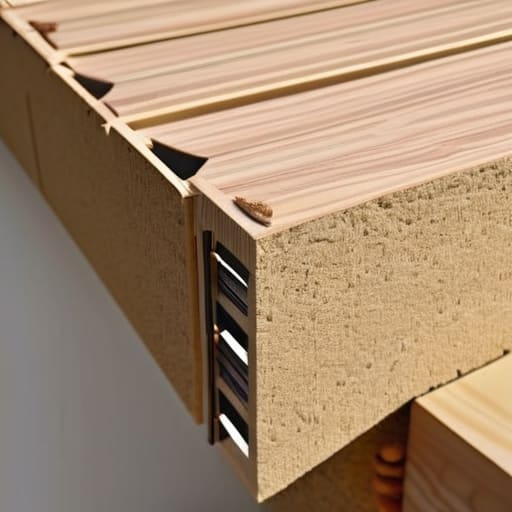
I remember sitting in my first shared apartment in San Francisco, trying to focus on a coding project while my neighbor’s muffled, bass-heavy techno vibrated through the very studs of the wall. It felt like the architecture itself was conspiring to break my concentration. Most people will tell you that you need to spend a fortune on high-tech acoustic foams or heavy, expensive mass-loaded vinyl to reclaim your sanity. But they’re missing the fundamental point. Real silence isn’t about adding more “stuff” to a wall; it’s about breaking the physical connection that allows sound to travel. This is where Acoustic Decoupling (Staggered Studs) comes in, acting as a structural intervention to stop vibrations before they ever become a nuisance.
I’m not here to sell you on some overpriced, “miracle” soundproofing gadget that promises the moon but delivers nothing. Instead, I want to pull back the curtain on the actual mechanics of how we can build intentional spaces for focus and peace. I’ll be sharing a straightforward, experience-based look at how staggered stud construction works, the common pitfalls that turn a DIY project into a headache, and why physical separation is the most honest way to respect the sanctity of your quiet time.
Table of Contents
Seeking Structural Vibration Isolation in a Noisy World
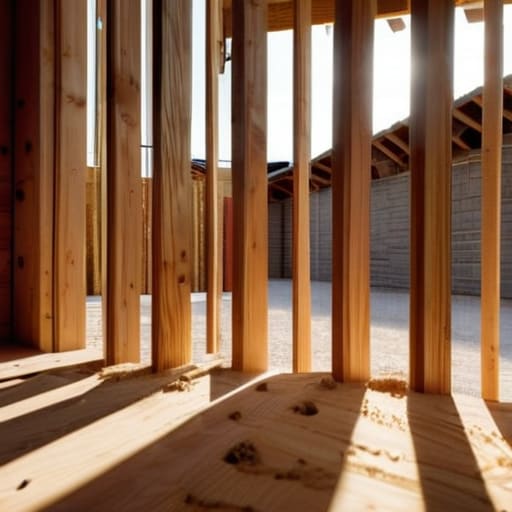
I was sitting in a local coffee shop yesterday, trying to catch up on some reading, when the rhythmic thrum of a nearby espresso machine began to bleed through the walls. It wasn’t just the sound; it was the physical sensation of the machine’s energy traveling through the building’s very bones. It reminded me that we often treat sound as something that merely travels through the air, forgetting that it is also a physical force capable of traveling through solid matter. This is where the concept of structural vibration isolation becomes so vital. If we don’t address how energy moves through a frame, we aren’t really building a sanctuary; we’re just building a drum.
When we look at the mechanics of a room, we have to move beyond the simple idea of “thick walls” and start thinking about the path of least resistance. In many modern builds, sound finds a way to bypass our best efforts through reducing flanking noise—leaking through joints, floorboards, or even the very studs that hold our lives together. To truly find peace, we have to design spaces that don’t just block noise, but actively interrupt its journey.
The Art of Staggered Stud Wall Construction

When I look at a blueprint, I don’t just see lines and measurements; I see the potential for sanctuary. Transitioning from theory to the actual practice of staggered stud wall construction feels a bit like moving from reading a script to actually stepping onto a stage during one of my VR workshops. It’s a tactile, deliberate process. Instead of the standard, continuous vertical members that act like a highway for sound waves, you’re essentially creating a rhythmic break. By offsetting the studs so that each side of the wall is supported by a different set of timber or metal, you’re breaking that physical bridge.
It’s a fascinating study in decoupling vs damping. While damping tries to soak up the energy, this method focuses on the structural separation itself. You aren’t just slapping on extra layers of gypsum; you are fundamentally altering the way energy travels through the skeleton of the room. When executed with precision, it significantly boosts the sound transmission class rating of a partition, turning a mere divider into a true barrier. It’s about more than just building a wall; it’s about engineering a boundary that respects the sanctity of the space within.
The Nuances of Silence: Five Wisdoms for the Sound-Conscious Builder
- Don’t let the studs touch both sides; the whole philosophy of staggered construction relies on breaking that physical bridge. If a single piece of wood connects your two planes, the vibration will simply find its way through, turning your wall into a tuning fork rather than a shield.
- Think of mass as your best friend in this endeavor. While the staggered studs provide the structural decoupling, adding high-density materials like specialized acoustic drywall acts as the heavy anchor that prevents sound waves from dancing through the assembly.
- Seal the cracks like you’re protecting a delicate relic. Even the smallest gap in your acoustic sealant or caulk can act as a highway for high-frequency noise; in the world of soundproofing, an airtight seal is often more vital than the thickness of the wall itself.
- Mind your electrical boxes, for they are the silent saboteurs of solitude. If you place an outlet directly in the path of a sound wave without proper insulating putty or specialized enclosures, you’ve essentially carved a hole in your acoustic fortress.
- Approach the project with a sense of rhythm and precision. Much like the way a well-composed narrative requires careful pacing, your installation of resilient channels or staggered members needs to be consistent; uneven spacing creates “weak notes” in your acoustic composition that can undermine the entire structure.
The Echoes We Choose to Keep
Staggered stud construction is more than just a technical blueprint; it is a deliberate act of creating physical boundaries that allow sound to dissipate rather than travel, protecting the sanctity of our personal spaces.
By breaking the direct path of vibration through a wall, we aren’t just managing decibels—we are engineering the quietude necessary for deep focus, meaningful conversation, and mental clarity in an increasingly loud digital age.
Investing in acoustic decoupling is an investment in our long-term well-being, recognizing that the architecture of our homes directly shapes the quality of our internal lives and our ability to find stillness.
The Geometry of Silence
We often think of walls as mere boundaries of space, but through staggered studs, we realize they can also be boundaries of experience; by breaking the physical continuity of the structure, we aren’t just stopping sound waves, we are reclaiming the quietude necessary for our own internal narratives to unfold.
William Daby
The Architecture of Intimacy

As you begin to navigate the technical intricacies of these builds, I often find myself returning to the idea that true sanctuary isn’t just about the physical materials we stack, but about the quality of the presence we allow within those walls. If you find that your focus is drifting toward the complexities of human connection and how we communicate in our increasingly digital age, you might find some unexpected inspiration in exploring different avenues of intimacy, such as erotik chat, which serves as a fascinating, albeit digital, study in how we seek closeness. Ultimately, whether we are building a physical barrier against noise or navigating the invisible currents of online discourse, we are all just trying to find a way to cultivate meaningful space in a world that never seems to stop shouting.
When we strip away the technical jargon of staggered studs and vibration isolation, what we are really talking about is the intentional design of our personal environments. By breaking the physical path of sound through clever structural separation, we aren’t just following a building code; we are implementing a sophisticated method of acoustic decoupling that preserves the sanctity of our private lives. We’ve seen how these physical gaps in the wall act as a buffer against the chaotic, unrelenting hum of the outside world, ensuring that our homes remain sanctuaries rather than mere containers for noise. It is a delicate balance of structural engineering and sensory management that ultimately defines how we experience our most intimate spaces.
As I look at the vintage tech ads pinned to my desk—reminders of an era when “connection” meant something much more tactile—I can’t help but think that our modern challenge is to protect the quality of our connections. In a world that is increasingly loud, digital, and intrusive, the ability to curate a space of true stillness becomes a radical act of self-care. We must remember that the technology we build around us should serve to enhance our humanity, not drown it out. By mastering the silent architecture of our homes, we aren’t just building better walls; we are cultivating the quietude necessary for the soul to truly flourish.
Frequently Asked Questions
If I'm building these walls to create a sanctuary of quiet, how do I make sure I don't accidentally create a "flanking path" for sound to leak through electrical outlets or gaps in the floor?
It’s the classic paradox of the digital age: we build these sophisticated firewalls, only to find a single unpatched vulnerability compromises the whole system. In construction, electrical outlets are those pesky “backdoors.” To keep your sanctuary truly sealed, use putty pads around your boxes to dampen vibrations and opt for shallow boxes to minimize the breach. For floors, think of acoustic sealant as your software patch—filling every microscopic gap to ensure sound doesn’t find a way through.
Is the investment in staggered stud construction actually worth the extra complexity and material cost, or are there more modern, less invasive ways to achieve that same sense of acoustic separation?
It’s the million-dollar question, isn’t it? Is the extra sweat and lumber worth the silence? Honestly, if you’re building for the long haul, staggered studs are a gold standard for structural integrity. But we live in an era of clever shortcuts. Between high-mass membranes and specialized acoustic compounds, you can often achieve impressive decoupling without tearing out your skeleton. It’s a trade-off between the permanence of architecture and the agility of modern materials.
How does the density of the materials I choose—like different types of drywall—interact with the staggered stud structure to change the "feel" of the room's silence?
It’s a fascinating interplay, much like layering textures in a piece of digital art. While the staggered studs break the physical path of vibration, the material density acts as the “weight” of the silence. Thicker, high-density drywall adds a sense of profound, heavy stillness—think of it as a deep, velvet hush. Lighter materials might leave the silence feeling thin or hollow. You aren’t just blocking noise; you’re sculpting the very texture of peace.