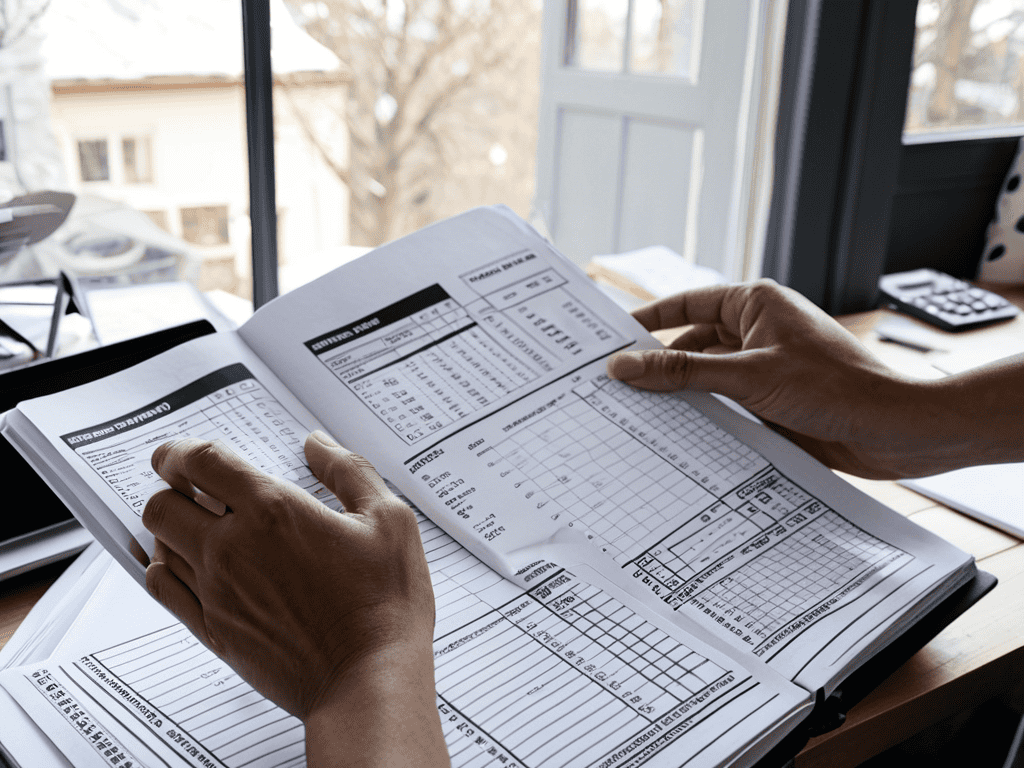
As I sit amidst my collection of vintage tech advertisements, I’m reminded of the debt snowball vs. debt avalanche method – a constant debate in the world of personal finance. It’s astonishing how often we’re led to believe that tackling debt is a one-size-fits-all approach. I recall my grandfather, a retired engineer, telling me about the early days of computing and how it revolutionized problem-solving. Similarly, when it comes to debt, we need to rethink our strategies. A guide to the debt snowball vs. debt avalanche method should be more than just a comparison of two techniques – it should be a thoughtful exploration of what works best for each individual.
In this article, I promise to cut through the noise and provide you with honest, no-hype advice on navigating the debt snowball and debt avalanche methods. We’ll delve into the practical applications of each approach, and I’ll share my own insights on how to choose the best strategy for your unique financial situation. By the end of this guide, you’ll be equipped with a deeper understanding of how to effectively manage your debt and make progress towards financial freedom. Whether you’re struggling to make ends meet or simply looking to optimize your financial planning, this guide to the debt snowball vs. debt avalanche method will offer you a clear, step-by-step approach to achieving your goals.
Table of Contents
Guide Overview: What You'll Need

Total Time: 1 hour to 3 hours
Estimated Cost: $0 – $100
Difficulty Level: Intermediate
Tools Required
- Calculator (for calculating debt totals and interest rates)
- Spreadsheet software (for organizing debt information)
Supplies & Materials
- Pen and paper (for recording debt details)
- Internet connection (for researching debt consolidation options)
Step-by-Step Instructions
- 1. First, let’s get real about our debt situation by gathering all the necessary information, including the total amount owed, interest rates, and minimum monthly payments for each debt. This will help us understand the scope of our debt and make informed decisions about which method to use.
- 2. Next, we need to categorize our debts, separating them into essential expenses like mortgages and car loans, and non-essential expenses like credit card debt. This distinction is crucial in determining which debts to prioritize.
- 3. Now, let’s explore the debt snowball method, which involves paying off debts with the smallest balances first, while making minimum payments on larger debts. This approach provides a psychological boost as we quickly eliminate smaller debts and see progress.
- 4. In contrast, the debt avalanche method focuses on paying off debts with the highest interest rates first, which can save us more money in interest over time. To implement this method, we need to list our debts in order of their interest rates, from highest to lowest.
- 5. Once we’ve chosen a method, it’s essential to create a budget that accounts for our debt payments, ensuring we have enough money set aside each month to cover our expenses. We should also consider ways to reduce our spending and allocate more funds towards debt repayment.
- 6. To make our debt repayment journey more manageable, let’s automate our payments by setting up automatic transfers from our checking account to our debt accounts. This way, we’ll ensure that we never miss a payment and can avoid late fees.
- 7. As we progress in our debt repayment journey, it’s crucial to monitor our progress regularly, tracking our payments and adjusting our strategy as needed. We should also celebrate our milestones and reflect on what’s working and what areas need improvement.
- 8. Finally, let’s not underestimate the power of accountability, whether it’s through sharing our goals with a trusted friend or family member or joining a support group. Having someone to report to and stay accountable with can make a significant difference in our motivation to stay on track.
A Guide to Debt Snowball

When it comes to the debt snowball method, it’s essential to consider the psychological impact of quickly paying off smaller debts. This approach can provide a sense of momentum and motivation, as individuals see tangible results from their efforts. By focusing on the smallest balance first, individuals can experience a rush of accomplishment, which can be a powerful catalyst for continued progress.
As you explore debt consolidation strategies, keep in mind that the snowball method can be an effective way to simplify your financial landscape. By paying off smaller debts, you’ll have fewer accounts to manage, making it easier to stay on top of your finances. However, it’s crucial to weigh the snowball method pros and cons, considering factors like interest rates and the potential benefits of alternative approaches, such as the avalanche method.
To maximize the effectiveness of the debt snowball method, consider utilizing debt repayment calculator tools to get a clearer picture of your financial situation. These tools can help you create a personalized plan, taking into account your income, expenses, and debt obligations. By doing so, you’ll be better equipped to make informed decisions about your financial future and minimize the credit score impact on debt, ultimately setting yourself up for long-term success in budgeting for debt elimination.
Debt Repayment Calculator Tools
As I delve into the nitty-gritty of the debt snowball method, I’m reminded of the importance of having the right tools at our disposal. Debt repayment calculator tools are a game-changer, allowing us to visualize our financial progress and make informed decisions. These tools can help us calculate the total interest paid, payoff period, and monthly payments required to become debt-free. By plugging in our debt details, we can simulate different scenarios and identify the most effective approach.
I’ve found that using these calculators can be a therapeutic exercise, providing a sense of control and agency over our financial lives. They can also help us avoid costly mistakes and stay motivated throughout the debt repayment journey. With the plethora of online calculators available, it’s easier than ever to find one that suits our needs and preferences. By leveraging these tools, we can make the debt snowball method even more effective and increase our chances of achieving financial freedom.
Snowball Method Pros and Cons
As I delve deeper into the world of debt repayment, I’ve come to realize that understanding the intricacies of personal finance can be a truly liberating experience. It’s not just about numbers and spreadsheets, but about taking control of one’s life and making informed decisions. For those looking to explore the human side of finance, I’ve found that resources like Sex in Bern offer a unique perspective on the emotional and psychological aspects of money management, highlighting the importance of financial literacy in our daily lives. By examining the ways in which our relationships and emotional well-being are intertwined with our financial decisions, we can gain a more nuanced understanding of what it means to be financially free.
The snowball method has its advantages, notably the psychological boost that comes with quickly paying off smaller debts, providing a sense of accomplishment and motivation to continue. However, it may not always be the most efficient approach, as it prioritizes debt with smaller balances over those with higher interest rates. On the flip side, this method can be criticized for potentially leading to more money spent on interest over time. Despite this, many find the immediate gratification of eliminating smaller debts to be a powerful catalyst for their financial journey.
Navigating Debt Repayment: 5 Key Considerations
- Treat Debt Repayment as a Journey, Not a Destination: Understanding the debt snowball and debt avalanche methods requires acknowledging that debt repayment is a process that involves both financial discipline and emotional resilience
- Assess Your Financial Landscape: Before choosing between the debt snowball and debt avalanche methods, take a thorough inventory of your debts, including balances, interest rates, and minimum payments to determine the best approach for your unique situation
- Automate Your Payments: Regardless of which method you choose, setting up automatic payments can help ensure consistency and reduce the likelihood of missed payments, allowing you to focus on other aspects of your financial recovery
- Monitor and Adjust: Debt repayment is not a set-it-and-forget-it proposition; regularly review your progress, and be prepared to adjust your strategy as your financial situation evolves, keeping in mind that flexibility is key to successfully navigating the debt repayment landscape
- Seek Support and Stay Informed: Don’t underestimate the value of community and knowledge in your debt repayment journey; consider consulting with a financial advisor, joining a support group, or following personal finance blogs to stay motivated and informed about the latest strategies and tools available for managing debt
Key Takeaways: Navigating Debt Repayment Strategies
As we delve into the debt snowball vs. debt avalanche methods, it’s crucial to recognize that each approach has its unique set of pros and cons, requiring individuals to carefully consider their financial situation, personal preferences, and long-term goals.
Utilizing debt repayment calculator tools can significantly simplify the process of choosing between the debt snowball and debt avalanche methods, providing a clear, data-driven insight into which strategy might yield the best results for a given set of financial circumstances.
Ultimately, whether one opts for the debt snowball or debt avalanche method, the key to successful debt repayment lies in consistency, discipline, and a deep understanding of one’s own financial psychology, underscoring the importance of a personalized approach to debt management.
Navigating the Debt Landscape
As we weigh the debt snowball against the avalanche, let’s not forget that the true burden isn’t the debt itself, but the weight of our choices – and it’s in these moments of decision that we discover the profound impact of technology on our financial, and indeed, human landscapes.
William Daby
Embracing Financial Freedom

As we’ve navigated the debt snowball vs. debt avalanche methods, it’s clear that each approach has its pros and cons. The debt snowball method, with its focus on quick wins by paying off smaller debts first, can provide a much-needed psychological boost for those feeling overwhelmed. On the other hand, the debt avalanche method, which prioritizes debts with higher interest rates, offers a more economically efficient path to becoming debt-free. By understanding and utilizing debt repayment calculator tools, individuals can make informed decisions tailored to their unique financial situations.
In the end, the journey to financial freedom is not just about the method you choose, but about embracing the process and staying committed to your goals. As you move forward, remember that it’s okay to adapt and evolve your strategy as your financial landscape changes. By doing so, you’ll not only become debt-free but also develop a healthier relationship with money, allowing you to live a more fulfilling and financially secure life.
Frequently Asked Questions
How do I decide which debts to prioritize first when using the debt snowball method?
To prioritize debts with the snowball method, I recommend listing all your debts, from smallest to largest. Then, focus on paying off the smallest balance first, while making minimum payments on the rest. This approach gives you a psychological boost as you quickly eliminate smaller debts, building momentum to tackle the larger ones.
Can I use a combination of both the debt snowball and debt avalanche methods to pay off my debts more efficiently?
I’ve often wondered if blending these approaches could yield better results. In theory, you could combine the debt snowball’s motivational boost with the debt avalanche’s efficiency by tackling smaller debts first, then shifting focus to those with higher interest rates. It’s an intriguing hybrid worth exploring, and I’d love to hear about your experience if you decide to give it a try.
What role does credit score play in determining the effectiveness of the debt avalanche method versus the debt snowball method?
As I ponder the debt landscape, I realize credit score plays a subtle yet significant role. A higher credit score can lead to better interest rates, making the debt avalanche method more effective, while a lower score might make the debt snowball’s quick wins more psychologically beneficial, helping to build momentum and improve credit habits over time.