Dust, the sharp scent of leather, and the rhythmic thrum of boots hitting packed earth—it’s a sensory overload that no high-definition VR simulation could ever truly replicate. I remember sitting in my grandfather’s workshop, surrounded by his old mechanical blueprints, listening to him explain how a community isn’t built by steel and silicon, but by the stories we choose to repeat. It’s that same raw, unpolished energy that makes me wonder about the mechanics of tradition. People often try to analyze how a rodeo became a city’s identity through dry sociological papers or expensive branding consultants, treating culture like a software update you can just download. But they miss the point entirely; you can’t manufacture the soul of a place through a marketing budget.
In this piece, I’m stripping away the academic fluff to look at the actual cultural architecture at play. I want to explore how these grit-filled traditions evolve from mere weekend spectacles into the very heartbeat of a community. I promise you no hollow buzzwords—just a deep, honest dive into the intersection of ritual and place, examining how a dusty arena can eventually define the collective spirit of an entire modern city.
The Cultural Significance of Cowboy Traditions
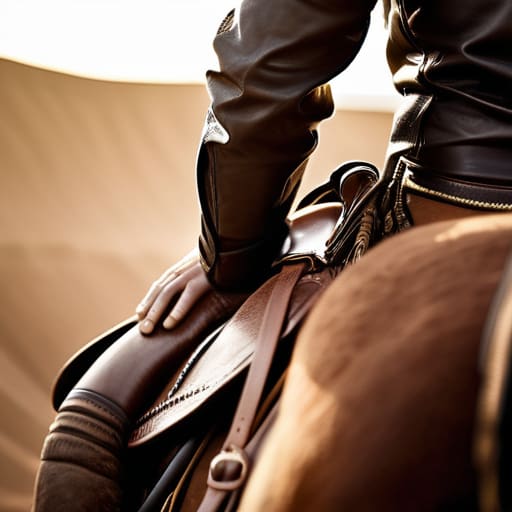
When I look at the weathered leather of a saddle or the rhythmic thud of hooves against packed dirt, I don’t just see sport; I see a living, breathing archive. There is a profound cultural significance of cowboy traditions that acts as a sort of temporal anchor in our hyper-accelerated digital age. For these towns, the rodeo isn’t just a weekend distraction; it’s a ritualistic performance of values—grit, resilience, and a specific kind of rugged autonomy—that keeps the local spirit from being smoothed over by the relentless march of globalization.
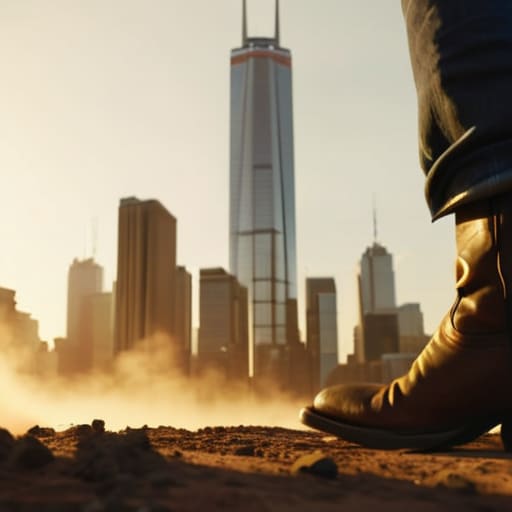
It’s this tension that makes the evolution so compelling. We often talk about the friction between western heritage and urban development, yet in these communities, the two don’t necessarily collide; they coalesce. The rodeo becomes the stage where the old world validates the new. As the city skyline creeps closer to the arena fences, these traditions provide a sense of continuity, ensuring that even as the economy shifts from cattle to commerce, the soul of the community remains tethered to something tangible and unyielding.
Western Heritage and Urban Development
It’s a strange, beautiful friction to witness: the way sprawling concrete grids and glass-fronted high-rises attempt to coexist with the rugged, unyielding spirit of the frontier. As cities expand, we often see a push toward homogenization, a sleek, sterile kind of progress that threatens to erase local character. Yet, in many places, the tension between western heritage and urban development creates a unique architectural and social rhythm. The rodeo acts as a stubborn anchor; even as skyscrapers rise, the arena remains a sacred space where the city’s pulse still beats to the rhythm of hooves and dust.
This isn’t just about nostalgia or keeping old ways alive for the sake of it; there is a profound economic influence of annual rodeos that keeps these urban centers grounded. When the gates swing open, the influx of visitors transforms a quiet municipal district into a bustling hub of commerce and connection. It’s more than just a seasonal spike in revenue; it’s a way for a modern city to claim its lineage, ensuring that as we build upward, we don’t lose sight of the ground we stand on.
More Than Just Dust and Spurs: The Blueprint of a Living Legacy
- Anchor the spectacle in shared history. A rodeo shouldn’t just be a weekend show; it needs to feel like a recurring chapter in the city’s own autobiography, connecting the grit of the past to the pulse of the present.
- Foster multi-generational participation. The magic happens when the kid in the stands today sees their grandfather’s influence in the arena, turning a commercial event into a communal rite of passage.
- Integrate the aesthetic into the urban fabric. It’s not enough to have a stadium; the spirit of the West should whisper through local architecture, street art, and even the way businesses brand themselves, making the identity inescapable.
- Balance tradition with modern accessibility. To keep the flame alive, you have to embrace the digital era—think immersive storytelling or VR experiences that allow a tech-savvy generation to feel the raw tension of the bucking bronco.
- Cultivate a sense of “place” through local entrepreneurship. When the local coffee shop and the high-end tech startup both embrace the rodeo’s ethos, the event stops being an outlier and starts being the city’s collective heartbeat.
The Digital Frontier and the Dust of Tradition
As I look back at how this city evolved, it’s clear that the rodeo was never just about the spectacle of grit and adrenaline. It served as a vital anchor, a way to tether a rapidly urbanizing landscape to its foundational roots. We’ve seen how these traditions provided a sense of continuity amidst the concrete sprawl of development, ensuring that as the skyline climbed higher, the cultural soul of the community didn’t lose its footing. By weaving the rugged ethos of the West into the very architecture of modern civic life, the city managed to transform a seasonal event into a permanent heartbeat that defines its unique character.
Ultimately, this journey reminds me of why I’m so obsessed with the intersection of our past and our future. Whether we are navigating the physical dust of an arena or the digital currents of a new era, our identity is defined by what we choose to carry forward. We shouldn’t fear the march of progress, but rather ask ourselves how we can use our modern tools to honor the echoes of where we began. In the end, a city’s true strength lies not in its ability to reinvent itself entirely, but in its capacity to embrace its heritage while stepping boldly into the unknown.
As we peel back these layers of tradition and urban growth, I often find myself wondering how we maintain authentic connections in an increasingly fragmented world. It’s easy to get lost in the grand scale of city planning or historical preservation, but the real magic happens in the intimate spaces where people actually find one another. If you ever find yourself feeling the need to explore more niche, specialized social dynamics or simply want to find a space where different identities can coexist and converse, checking out a cuckold community chat can be a fascinating way to observe how modern subcultures build their own unique sense of belonging outside the mainstream. It’s a reminder that whether it’s a dusty rodeo arena or a digital forum, our fundamental drive to connect remains the true engine of culture.