
I was sitting in a dimly lit terminal in Tokyo last year, the blue light of my laptop reflecting off a vintage 1980s Sony advertisement I’d taped to my notebook, feeling a profound sense of digital isolation. We’ve been sold this grand, shiny myth that social media apps and endless scrolling are the ultimate cure for loneliness, but as I stared at a sea of people all staring at their own glowing rectangles, I realized how hollow that connection felt. The truth is, most “hacks” for how to find company on a long trip are just digital band-aids that actually deepen our sense of detachment from the world around us.
I’m not here to give you a curated list of the trendiest travel apps or tell you to “just be more social.” Instead, I want to share what I’ve learned from years of navigating the intersection of human ritual and modern tech. I’ll be offering you some unfiltered, experience-based strategies for carving out genuine human connection, whether that’s through intentional analog interactions or using our tools to facilitate real-world presence. Let’s move past the superficiality and figure out how to actually feel seen while we wander.
Finding Travel Buddies Online Through Modern Connections
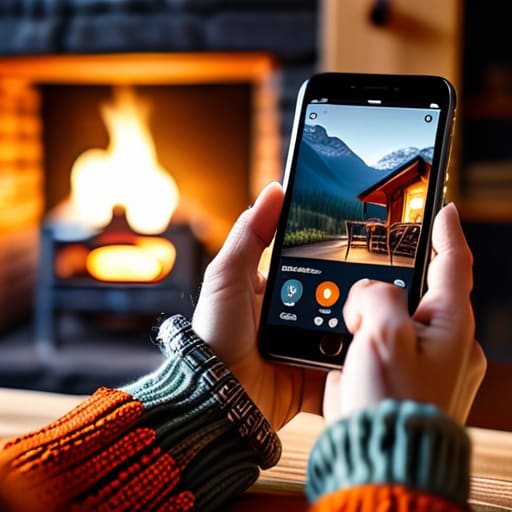
I was looking at an old print ad for a 1980s travel agency yesterday—all grainy photos of sun-drenched beaches and promises of “pre-arranged companionship”—and it struck me how much the architecture of connection has shifted. We no longer rely on paper brochures to find our tribe; instead, we navigate a digital ecosystem. Finding travel buddies online has become a sophisticated dance of vetting profiles and reading between the lines of digital bios. Whether it’s through niche forums or dedicated community apps, the goal remains the same: finding that rare person whose curiosity matches your own.
Of course, the digital world is just the preamble. I’ve found that the best apps for solo travelers often act as a bridge rather than a destination. They provide the initial spark, but the true magic happens when you transition from a screen to a shared meal. I often tell my friends that while technology can initiate the introduction, the real depth comes from the spontaneous conversations that occur once you’ve actually stepped into the same physical space.
The Best Apps for Solo Travelers in a Wired World
While the digital landscape can sometimes feel like a vast, isolating ocean, the right tools act as small, glowing lighthouses. I often find myself scrolling through various platforms, wondering if we are truly connecting or just exchanging data points. If you are looking for the best apps for solo travelers, I usually point people toward Meetup or even specialized Facebook groups. These aren’t just directories; they are digital gateways to localized human experience. They allow you to vet interests before you even step foot in a café, turning a potentially lonely afternoon into a curated social encounter.
Then, there is the more tactile side of the digital world—the way our devices bridge the gap to physical spaces. I’ve found that leaning into the hostel social life via apps like Hostelworld can be a game-changer. It’s not just about booking a bed; it’s about accessing a built-in community of nomads who are all navigating the same unspoken anxieties. Whether you are seeking structured group tours for solo travelers or just a casual coffee companion, these apps serve as a vital connective tissue, ensuring that your journey through a foreign landscape feels less like a solo expedition and more like a shared discovery.
The Human Algorithm: 5 Ways to Curate Real Connection in a Digital World
- Look for the “Niche over the Mass.” Instead of scrolling through generic travel forums, dive into specialized digital subcultures—whether it’s a Discord server for solo hikers or a Facebook group for vintage camera enthusiasts. Finding people who share your specific obsession is a much faster shortcut to genuine camaraderie than hunting for a general “travel buddy.”
- Master the art of the “Digital Icebreaker.” When you reach out to someone online, avoid the hollow “Hey, want to travel?” Instead, reference something specific from their profile. In a world of automated interactions, a personalized, thoughtful observation acts like a digital handshake that actually carries weight.
- Leverage the “Third Space” of Co-working and Co-living. If your journey allows, trade the isolation of a standard hotel room for a co-living space. These environments are architected to facilitate spontaneous human collision, turning the “lonely traveler” trope on its head by providing a built-in social infrastructure.
- Practice “Analog Intentionality” in Digital Spaces. Even when using apps to find company, remember that the goal is to get off the screen. Use your digital tools as a bridge, not a destination. The most successful connections are those that move from a chat interface to a shared cup of coffee in a physical plaza within twenty-four hours.
- Curate your “Social Availability” settings. It sounds technical, but it’s deeply psychological. Be explicit in your digital bios about what you’re looking for—be it a deep philosophical debate over wine or a high-energy trekking partner. By being transparent about your social frequency, you attract people who resonate with your current rhythm.
The Digital Compass and the Human Heart
As we’ve navigated through the various digital avenues—from leveraging specialized social networks to finding community within the niche ecosystems of travel apps—it becomes clear that technology isn’t just a way to kill time in a terminal lounge. It is a sophisticated toolkit designed to bridge the vast, often intimidating gaps between solo wanderers. Whether you are scrolling through a forum to find a hiking partner or using a localized app to meet fellow nomads in a bustling foreign city, these tools serve as our modern digital campfire. They allow us to curate our social environments in real-time, ensuring that even in the most remote corners of the globe, we are never truly disconnected from the possibility of companionship.
Ultimately, though, I find myself returning to a thought my grandfather used to share about old analog machinery: the most complex systems are useless if they don’t serve a human purpose. Our gadgets and platforms are merely the scaffolding; the true architecture of travel is the spontaneous connection that happens when two souls collide in a new landscape. As you pack your bags and charge your devices, remember that technology should be your compass, not your destination. Use it to find your way to others, but once you arrive, put the screen down and let the unfiltered magic of human presence take over.
Sometimes, the most profound connections don’t happen in a crowded hostel lounge or through a structured tour group, but in those spontaneous, unscripted moments of digital intimacy that bridge the gap between strangers. If you find yourself craving a more direct, unfiltered way to engage with others while traversing new territories, I’ve found that seeking out an open-minded chat USA can be a fascinating way to break the ice and find a sense of community that transcends the typical tourist circuit. It’s about finding that specific kind of human resonance that makes a vast, lonely landscape feel a little more like home.