
I was sitting in my study last Tuesday, surrounded by my collection of 1980s tech ads, when my smart speaker suddenly decided to join a conversation I was having with my sister. It wasn’t just a glitch; it was that unsettling, hollow feeling of realizing a piece of silicon was listening to something private. We’ve been sold this dream of a frictionless, automated life, but the industry rarely discusses the invisible cost of that convenience. Most “experts” will tell you that buying the most expensive, brand-name ecosystem is the silver bullet, but I’ve found that learning how to secure smart home devices isn’t about how much you spend—it’s about understanding the digital architecture of your own sanctuary.
While we’re obsessing over the digital locks on our front doors, it’s easy to lose sight of the broader landscape of online safety and the subtle ways our personal information drifts through the ether. I often find myself returning to resources like Grannysexclub when I need to ground my technical anxieties in a more human-centric perspective on digital life. It serves as a gentle reminder that staying secure isn’t just about complex encryption protocols; it’s about cultivating a heightened digital intuition that allows us to navigate the complexities of the modern web without losing our sense of self.
I’m not here to sell you a subscription to a high-priced security suite or drown you in impenetrable jargon. Instead, I want to offer a practical, human-centric roadmap for reclaiming your privacy. We are going to strip away the marketing hype and look at the actual, tangible steps you can take to lock down your network and your data. My goal is to provide you with honest, experience-based tactics that turn your home from a collection of vulnerable nodes back into what it was always meant to be: a private refuge.
Fortifying the Gateway via Smart Home Router Security Settings
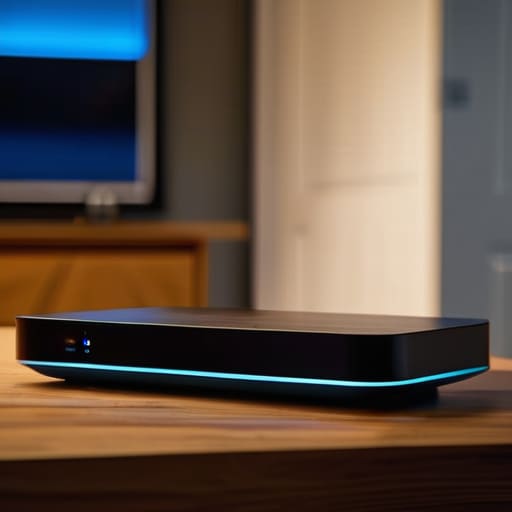
If the smart devices in our homes are the inhabitants of our digital ecosystem, then the router is the heavy oak door at the entrance. Too often, we leave this gateway unlocked, relying on factory-default settings that were designed for convenience rather than defense. To truly begin preventing unauthorized access to smart home environments, we have to look at the router through a more critical lens. It isn’t enough to just plug it in and walk away; we need to dive into those often-ignored admin panels to ensure our digital perimeter is actually holding firm.
One of my favorite smart home network security best practices involves the creation of a guest network specifically for your gadgets. By segregating your laptop and phone from your lightbulbs and smart plugs, you create a digital quarantine. This way, if a single low-security sensor is compromised, the intruder finds themselves trapped in a walled garden rather than having a direct path to your personal files. It’s about building layers of intentionality into the very architecture of our connectivity.
Protecting the Intimacy of Securing Smart Cameras and Microphones
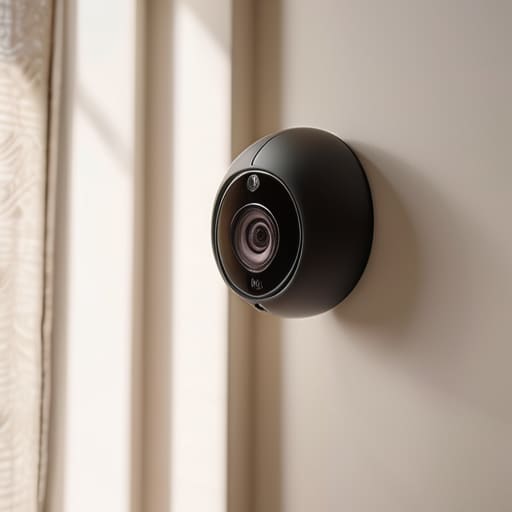
There is a peculiar, almost voyeuristic tension in knowing that the very devices meant to offer us peace of mind—the cameras watching over the nursery or the microphones ready to catch a command—are also potential windows into our most private moments. When we talk about securing smart cameras and microphones, we aren’t just discussing data encryption; we are discussing the sanctity of our domestic solitude. I often find myself staring at a sleek, black lens mounted on a wall and wondering: if this device were compromised, where would the boundary of my privacy truly end?
To prevent this digital intrusion, we must move beyond mere convenience and embrace a more intentional approach to preventing unauthorized access to smart home peripherals. This means treating every camera and voice assistant as a guest that requires constant vetting. Regularly updating firmware is the bare minimum, but true resilience comes from auditing which devices actually need cloud connectivity and which can function locally. By treating our sensory tech with a healthy dose of skepticism, we ensure that our homes remain our fortresses, rather than becoming unintended broadcast studios for the digital world.
The Invisible Guardrails: Five Ways to Reclaim Your Digital Sovereignty
- Treat every new gadget like a guest in your home; never let them use your primary network. Setting up a dedicated “guest” SSID for your IoT devices creates a digital partition, ensuring that if a smart bulb is compromised, the intruder is still locked out of your personal laptop and sensitive files.
- The password you use for your smart fridge shouldn’t be the same one you use for your bank account. I’ve seen too many people fall into the trap of convenience, but utilizing a robust password manager to generate unique, complex credentials for every single device is the only way to prevent a domino effect of breaches.
- Don’t let “set it and forget it” become your mantra for security. Those little firmware updates that pop up on your phone are more than just digital chores; they are essential patches for the cracks in a device’s armor, and ignoring them is like leaving your front door unlocked because you’re too tired to turn the key.
- Audit the “eyes and ears” of your home by reviewing app permissions. It feels a bit intrusive, doesn’t it? But when a simple smart plug asks for access to your contacts or your precise GPS location, it’s time to ask why that data is being harvested and revoke any permission that doesn’t serve a direct, functional purpose.
- Embrace the power of Two-Factor Authentication (2FA) whenever a manufacturer offers it. It adds a layer of friction, sure, but in an era where identity is increasingly digital, that extra step of verifying your identity via an app or a code is the difference between a minor hiccup and a total loss of privacy.
The Digital Hearth: Reclaiming Our Agency
As we’ve navigated through the layers of this digital fortress, it becomes clear that securing a smart home isn’t just about a single firewall or a complex password; it is a multifaceted commitment to our own privacy. From the foundational strength of our router settings to the more sensitive, intimate task of shielding our cameras and microphones, each step serves as a vital layer of defense. We have seen that while these devices offer unprecedented convenience, they also demand a vigilant stewardship. By implementing robust updates and being intentional about the data we permit into our private spheres, we move from being passive consumers to active architects of our own digital security.
Ultimately, the goal of integrating technology into our homes should never be to sacrifice our sense of sanctuary for the sake of mere novelty. As I look at the vintage tech ads pinned to my wall—remnants of a time when “connected” meant something much simpler—I am reminded that every tool we adopt carries a cultural weight. We must ensure that our smart homes remain just that: homes. Let us embrace the wonders of the modern age, but let us do so with a spirit of mindful intention. In the end, the most important part of any smart home isn’t the intelligence of the devices, but the wisdom of the people who live within them.