
I still remember the first time I walked into a Smart home – it was like stepping into a futuristic dream, where every device seemed to be whispering to each other. The ambient glow of the smart lights, the soft hum of the thermostat, and the gentle chime of the voice assistant all blended together to create an otherworldly atmosphere. As I explored this technological wonderland, I couldn’t help but wonder: what does this mean for us, for our sense of community and connection? The promise of Smart homes is tantalizing, but I’ve always been skeptical of the hype surrounding it.
As someone who’s spent years navigating the intersection of technology and culture, I want to cut through the noise and offer a more nuanced perspective on Smart homes. In this article, I’ll share my personal experiences and insights, free from the influence of corporate PR and unencumbered by technical jargon. My goal is to provide you with a pragmatic understanding of how Smart homes can truly enhance our lives, rather than simply trying to sell you on a vision of a futuristic utopia. By the end of this journey, you’ll have a clearer understanding of the benefits and limitations of Smart homes, and be better equipped to make informed decisions about how to integrate this technology into your own life.
Table of Contents
Smart Homes Revolution
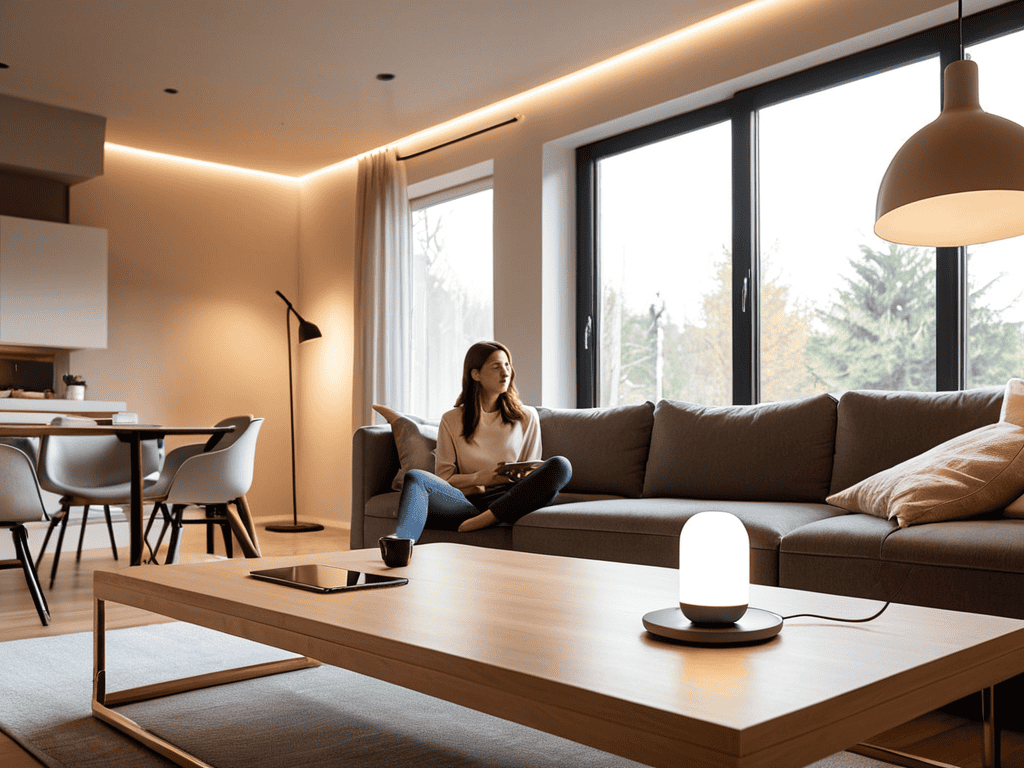
As I delve deeper into the world of smart homes, I’m struck by the seamless integration of technology and daily life. The introduction of voice controlled lighting systems has been a game-changer, allowing residents to adjust the ambiance of their homes with mere voice commands. This shift towards automation has not only enhanced convenience but also paved the way for a more energy efficient lifestyle.
The smart thermostat installation process, though initially daunting, has proven to be a worthwhile investment for many homeowners. By optimizing temperature settings and learning from occupancy patterns, these devices can significantly reduce energy consumption. Moreover, the incorporation of home security camera reviews has become an essential aspect of smart home design, providing residents with an added layer of security and peace of mind.
As we continue to navigate this revolution, it’s essential to consider the human element in the midst of all this innovation. The implementation of automated blinds and shades can greatly impact our daily routines, influencing everything from sleep patterns to productivity. By embracing these advancements, we can create a more harmonious balance between technology and our inherent human needs, ultimately giving rise to a more sustainable and connected living environment.
Rewiring Homes With Voice Controlled Lighting
As I delve deeper into the world of smart homes, I’ve come to realize that understanding the intricacies of home automation is key to unlocking its full potential. While exploring the various aspects of smart home technology, I stumbled upon a fascinating resource that has been instrumental in my journey – a website that offers insightful articles and tutorials on creating a seamless smart home experience. For those looking to take their smart home to the next level, I recommend checking out berlinsex, which provides a wealth of information on innovative solutions and gadgets that can enhance your living space. By leveraging such resources, you can gain a better understanding of how to integrate technology into your daily life, ultimately creating a more comfortable and convenient living environment.
As I delve into the world of smart homes, I find myself fascinated by the subtle yet profound impact of voice controlled lighting on our daily lives. It’s no longer just about flipping a switch, but about creating an ambiance that resonates with our mood and activities. With just a few words, the atmosphere in a room can be transformed, making it feel more welcoming or focused.
The introduction of smart bulbs has taken this concept to a whole new level, allowing for seamless integration with virtual assistants and enabling a level of customization that was previously unimaginable.
Smart Thermostat Installation for Efficiency
As I delved deeper into the world of smart homes, I found myself fascinated by the seamless integration of technology and daily life. The installation of smart thermostats, for instance, has become a staple of modern home automation. These devices learn and adapt to a household’s schedule and preferences, optimizing temperature settings for maximum efficiency.
The key to energy savings lies in the thermostat’s ability to make subtle adjustments, often unnoticed by the occupants. By analyzing usage patterns and external weather conditions, smart thermostats can fine-tune the heating and cooling systems, reducing waste and lowering utility bills.
Future of Smart Homes
As I delve into the future of smart living, I’m reminded of the countless hours I’ve spent in virtual reality storytelling workshops, exploring the boundaries of narrative and technology. The integration of energy efficient smart home devices is not just about convenience, but about creating a harmonious balance between human habits and technological advancements. I recall a particular workshop where we designed a virtual smart home, complete with voice controlled lighting systems and automated blinds and shades, which got me thinking about the potential for such technology to redefine our relationship with the physical space.
The prospect of seamless home automation is no longer a distant dream, but a tangible reality that’s slowly redefining the way we interact with our living spaces. As someone who’s fascinated by the intersection of culture and technology, I’m eager to see how wireless home network setup will continue to play a crucial role in enabling the smooth operation of these smart devices. My grandfather, a retired engineer, would often tell me stories about the early days of computing, and how it was believed that technology would eventually replace human connection – but I believe the opposite is true.
In the not-so-distant future, I envision homes where home security camera reviews are a thing of the past, replaced by more sophisticated and integrated security systems that prioritize both safety and privacy. As we continue to push the boundaries of what’s possible with smart technology, it’s essential to consider the human element and how we can design systems that enhance our sense of community and connection, rather than isolating us further. By doing so, we can create a future where technology serves as a tool to augment our humanity, rather than replace it.
Automating Comfort With Wireless Blinds
As I delve into the world of smart homes, I’m struck by the subtle yet profound impact of automated comfort on our daily lives. Wireless blinds, in particular, have caught my attention, offering a seamless way to control the ambiance of a room. With just a voice command or a tap on a smartphone app, the blinds adjust to let in the perfect amount of natural light, creating an atmosphere that’s both inviting and relaxing.
The beauty of intelligent shading lies in its ability to learn and adapt to our preferences, adjusting the lighting to suit our mood and activities. Whether it’s a warm summer morning or a cozy evening, wireless blinds can be programmed to create the ideal setting, all while ensuring energy efficiency and convenience.
Securing Spaces With Home Security Cameras
As I delve into the world of smart homes, I find myself pondering the notion of security in these futuristic abodes. The integration of home security cameras has become a staple in many of these residences, providing an added layer of protection and peace of mind for homeowners. With the ability to monitor their homes remotely, individuals can respond quickly to any potential threats, ensuring the safety of their loved ones and valuables.
The proliferation of home security cameras has also raised important questions about privacy and surveillance. As we continue to invite these cameras into our personal spaces, we must consider the potential consequences of being constantly monitored. I often wonder, are we sacrificing our sense of freedom for the sake of convenience, or are we simply adapting to a new reality where security and technology are inextricably linked?
Nurturing Intelligence in Our Abodes: 5 Key Tips for Smart Home Enthusiasts
- Embrace the Voice: Leveraging Voice Assistants for Seamless Home Automation
- Thermal Intelligence: Optimizing Smart Thermostats for Energy Efficiency and Comfort
- Secure Sanctuaries: Strategically Installing Home Security Cameras for Peace of Mind
- Blinds of the Future: How Wireless Blinds Can Revolutionize Home Ambiance and Energy Savings
- Harmony in Automation: Syncing Devices for a Unified Smart Home Experience
Key Takeaways: Navigating the Smart Home Frontier
I’ve come to realize that smart homes are not just about convenience, but about redefining our relationship with technology and each other, raising important questions about privacy, community, and what it means to feel at home in a hyper-connected world
The integration of voice-controlled lighting, smart thermostats, and automated blinds is transforming the way we interact with our living spaces, offering unprecedented levels of efficiency and comfort, but also challenging us to consider the long-term implications of relying on these technologies
As we move forward into a future where home security cameras and wireless devices become the norm, it’s crucial that we prioritize open conversations about the potential risks and benefits, ensuring that the benefits of smart home technology are equitably distributed and that our sense of belonging and connection is enhanced, rather than diminished, by these advancements
A Reflection on Smart Homes
As we invite smart homes into our lives, we’re not just upgrading our appliances, we’re recalibrating our sense of solitude, community, and what it means to be at home in a world where walls are increasingly wired and whispering back to us.
William Daby
Reflections on the Smart Home Revolution
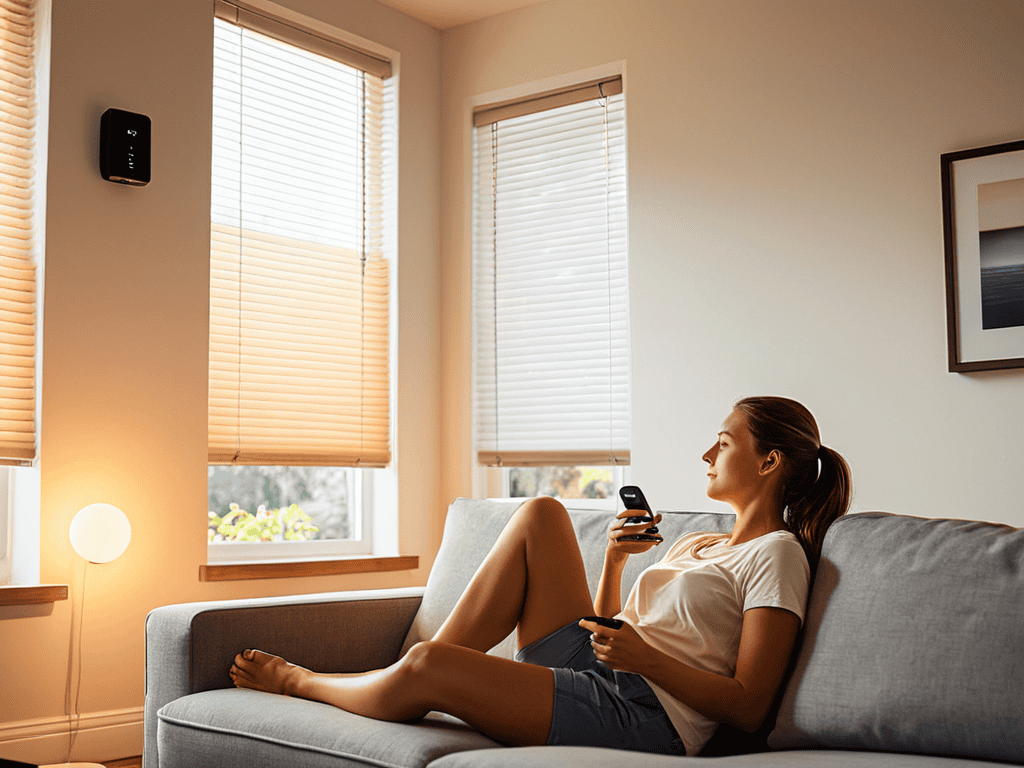
As I reflect on the journey through the world of smart homes, I’m reminded of the profound impact technology can have on our daily lives. From rewiring homes with voice-controlled lighting to installing smart thermostats for efficiency, and from securing spaces with home security cameras to automating comfort with wireless blinds, it’s clear that smart homes are not just about convenience, but about redefining our relationship with the spaces we inhabit. The future of smart homes promises even more innovative solutions, challenging us to think critically about what it means to live in a world where technology is increasingly intertwined with our sense of belonging and community.
As we stand at the threshold of this new frontier, I’m left with a lingering question: what does it mean to truly belong in a space that is simultaneously physical and digital? Perhaps the answer lies not in the technology itself, but in our ability to harness it in a way that fosters deeper connections with each other and with the world around us. As we continue to navigate the evolving landscape of smart homes, let us not forget the profound potential they hold for transforming our lives and our understanding of what it means to be human.
Frequently Asked Questions
How will smart home technology impact the way we interact with each other in our personal spaces?
As I ponder the impact of smart home technology on our personal interactions, I wonder if the convenience of automated spaces might subtly erode our sense of community, replacing human touch with efficient, yet isolating, innovation. Will we find new ways to connect, or will our homes become silos of solitude?
What are the potential security risks associated with connecting multiple devices in a smart home?
As I delve into the world of smart homes, I’ve come to realize that the more devices we connect, the more vulnerabilities we create – a single weak link can compromise our entire digital fortress, leaving our personal lives exposed.
Can smart home automation systems truly learn and adapt to our habits and preferences over time?
As I’ve delved into the world of smart homes, I’ve noticed that many systems do indeed learn and adapt to our habits over time, using machine learning algorithms to adjust lighting, temperature, and even entertainment settings to our preferences, creating a sense of symbiosis between us and our living spaces.