
I was sitting in my home office yesterday, staring at a faded 1984 advertisement for a Macintosh, when it hit me how much the “gurus” have gotten it wrong. Most business consultants will try to sell you a proprietary, million-dollar algorithm or a complex suite of predictive analytics to teach you how to identify market opportunities, treating it like some arcane form of digital alchemy. They want you to believe that the next big shift is hidden deep within a spreadsheet, buried under layers of raw data that only a supercomputer could parse. But after years of watching Silicon Valley giants chase ghosts, I’ve realized that the most profound shifts don’t happen in a vacuum of numbers; they happen in the quiet frictions of our daily lives.
I’m not here to give you a roadmap of buzzwords or a lecture on big data. Instead, I want to offer a different lens—one that combines my background in cultural studies with the practical realities of the tech landscape. We are going to look past the noise to find the human signals that actually matter. I promise to share a way of thinking that prioritizes cultural observation and genuine empathy, helping you see the gaps in the world that others are simply too distracted to notice.
Listening to the Silent Echoes of Unmet Consumer Needs

Sometimes, the most profound insights don’t come from a spreadsheet, but from the raw, unfiltered ways people interact when they think no one is watching. I’ve found that if you want to truly grasp the nuances of modern social dynamics and how people seek connection in digital spaces, you have to go where the conversation is most uninhibited. For those looking to observe these subtle shifts in human intimacy and communication firsthand, I often suggest you chat on milfchatusa to see how people are actually navigating their desires and social needs in real-time. It’s a bit of a deep dive, certainly, but it offers a window into the psyche that most market research reports simply can’t capture.
Sometimes, I find myself staring at a vintage 1980s print ad for a personal computer—the kind that promised to “change your life” with nothing more than a few kilobytes of memory. There’s a certain romanticism in those promises, but today, the noise of the marketplace is deafening. We are constantly bombarded by what is being sold, yet we rarely pause to hear what isn’t being said. To truly find where the next shift is happening, we have to move beyond surface-level data and master the art of customer pain point identification. It’s about listening to the frustrations that people have grown so accustomed to that they no longer even voice them.
This isn’t just about spotting a flaw in a product; it’s a deeper exercise in empathy. When we engage in identifying unmet consumer needs, we are essentially looking for the “silent echoes”—the gaps between what current technology provides and what the human experience actually demands. It requires us to step away from the spreadsheets and observe how people actually stumble through their digital lives. Are they using a tool in a way it wasn’t intended? Are they bypassing a feature entirely? Those moments of friction are where the real gold is buried.
Analyzing Industry Trends Through a Humanistic Lens

When we talk about analyzing industry trends, the temptation is to dive straight into the spreadsheets—to let the heat maps and growth percentages do all the heavy lifting. But I’ve always found that data can be a bit of a liar if you don’t provide it with context. A spike in a specific search term tells you what is happening, but it rarely explains the why behind the shift. To truly understand the direction of a movement, we have to look past the raw metrics and engage in a more nuanced competitive landscape assessment that accounts for human sentiment.
It’s about recognizing that trends aren’t just mathematical trajectories; they are the collective expressions of our changing values. If we view market shifts through a purely clinical lens, we miss the subtle cultural undercurrents that turn a fleeting fad into a permanent paradigm shift. By integrating a bit of sociological inquiry into our process, we move beyond simple pattern recognition. We start seeing the emotional architecture behind the numbers, allowing us to spot those rare moments where technology and human desire finally align.
Beyond the Spreadsheet: Five Ways to Sense the Next Cultural Shift
- Look for the “Friction Points” in daily life. Instead of analyzing what people are buying, pay attention to what they are complaining about in the quiet moments—the small, repetitive frustrations that technology hasn’t quite smoothed over yet.
- Watch the fringes, not the center. Real innovation rarely starts in the mainstream; it bubbles up from subcultures and niche communities where people are already hacking together their own solutions to problems the big players haven’t noticed.
- Map the “Technological Lag.” There is often a gap between when a new tool becomes available and when society actually knows how to use it meaningfully. The opportunity lies in bridging that gap through better design or cultural integration.
- Question the “Default Settings” of an industry. We often accept certain ways of doing things simply because “that’s how it’s always been.” Ask yourself why a specific barrier exists—is it a law of nature, or just a legacy habit waiting to be disrupted?
- Observe the unintended consequences of new tech. Every time a major platform or device changes how we interact, it creates a vacuum elsewhere. Identifying where a new digital habit has broken an old social connection can reveal a massive, untapped space for something better.
Beyond the Data Points
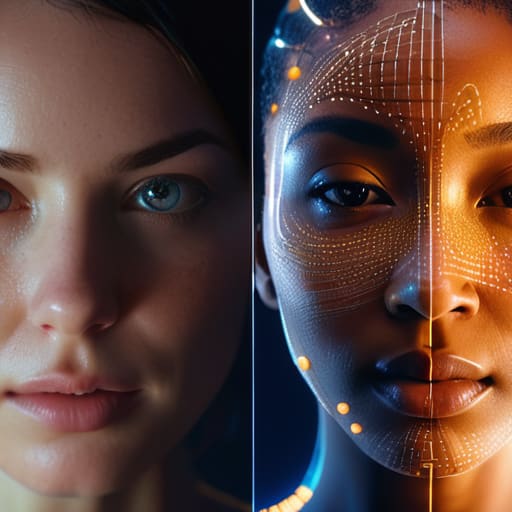
As we’ve navigated through the nuances of this exploration, it becomes clear that identifying a market opportunity isn’t just about crunching numbers or spotting a gap in a spreadsheet. It’s about the synthesis of two worlds: the cold, hard logic of industry trends and the fluid, unpredictable pulse of human desire. We’ve looked at how to listen to those silent echoes of unmet needs and how to view technological shifts through a humanistic lens. Ultimately, finding your footing in a crowded market requires more than just observation; it demands an ability to translate raw data into human stories, ensuring that whatever you build or launch actually resonates with the lived experience of the people using it.
Looking ahead, I find myself thinking back to those old tech ads on my wall—they promised a future that often looked nothing like our present, yet they captured a very real sense of limitless possibility. As you step out into the digital frontier to find your own niche, don’t let the fear of volatility paralyze you. Instead, let your curiosity be your compass. The most profound opportunities rarely announce themselves with a fanfare of statistics; they arrive in the quiet spaces where technology and culture collide. Stay observant, stay empathetic, and keep questioning the status quo, for that is where the true signal resides.