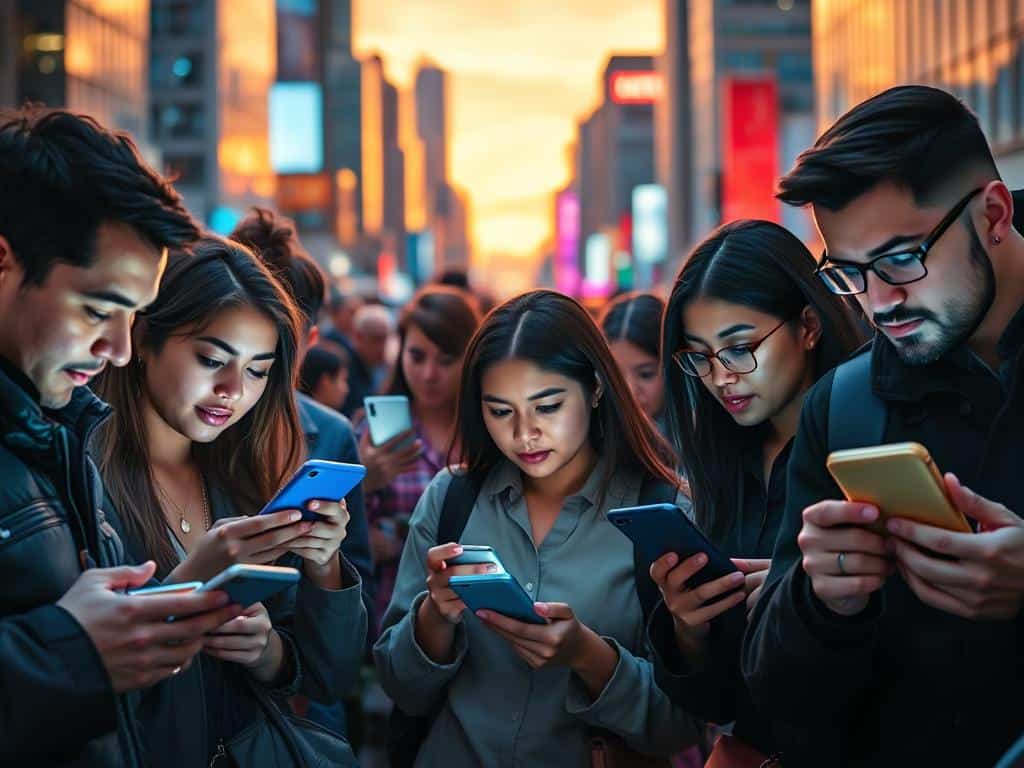
Did you know that over 4.57 billion people worldwide are online as of 2023? This shows how digital culture deeply affects our lives. It has changed how we connect and interact with each other. The COVID-19 pandemic made us rely more on digital ways to stay in touch.
Looking into this change, it’s key to see both sides. Digital culture helps us connect but also changes how we think and communicate. It can affect our sight and language skills. The debate on its mental health effects shows both risks and benefits for our personal and work relationships. Let’s dive into how digital culture is reshaping how we interact and communicate.
Key Takeaways
- Digital culture significantly impacts how individuals communicate and collaborate.
- Remote and hybrid work models are becoming commonplace due to the adoption of digital technologies.
- There’s a strong link between digital culture and enhanced organizational efficiency and innovation.
- Understanding the risks of digital culture, such as distractions and superficial interactions, is critical.
- Using effective digital strategies is key for successful digital transformation in organizations.
The Impact of Digital Culture on Communication
Digital culture changes how we talk to each other in many ways. It brings new ways for people to connect. Now, we can make friends all over the world, something that was hard before.
Redefining Social Connections Through Technology
Today, talking to each other is more interactive and open. Sites like Facebook and Twitter are key for us to share and connect. They help us find people who share our interests, changing how we see our friends and work contacts.
Globalization and Instant Communication
Globalization makes talking to people worldwide easy. Technology, mainly in the last few decades, has made staying in touch simple. Now, we can chat and work together, no matter where we are, thanks to digital tools.
The Role of Social Media in Human Interaction
Social media has both good and bad sides. It helps us connect but can also lead to too much sharing and bullying. Finding a balance is key. It’s important to use social media wisely to keep our social lives healthy in today’s digital world.
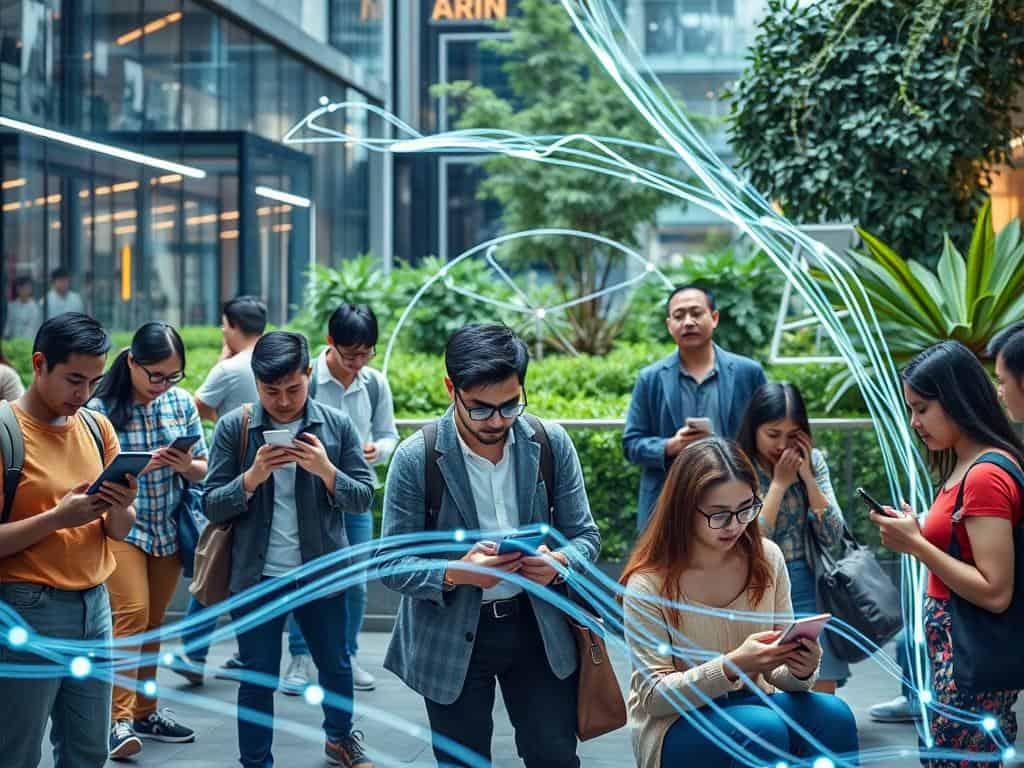
Positive and Negative Aspects of Digital Culture
Digital culture has changed how we talk and connect, with both good and bad sides. I’ve seen how tech makes it easier for people to join in. It helps those with disabilities to connect and feel included.
The Advantages of Enhanced Accessibility
Technology helps people with disabilities and lets more people join in. Online groups help our mental health. They make us feel connected and supported.
Being online helps us make new friends and reconnect with old ones. It makes our social lives richer and more meaningful.
Social Media: A Double-Edged Sword
Social media has its ups and downs. It can boost our creativity and confidence. But, it can also harm our sleep and make us feel bad about ourselves.
Seeing others’ perfect lives online can make us feel left out. This can hurt our emotional well-being.
Cyberbullying and Online Deception
Cyberbullying is a big problem online. It can make people feel anxious or depressed. The internet can hide who we really are, leading to harm.
We need to be careful online to enjoy its benefits without the risks. This way, we can stay safe and connected.
Conclusion
Digital culture has changed how we interact, making technology a big part of our lives. This change brings new ways to connect but also challenges. We need to be careful about the risks, like cyberbullying, and the less face-to-face time.
To use technology well, we must find a balance. We should use digital tools but keep real connections strong for our mental health. It’s key to understand the value of both technology and human touch in our lives.
Looking ahead, we should work on our digital skills and keep our personal connections strong. This way, we can handle the digital world better. The future of how we connect depends on using technology in a way that keeps our interactions real and meaningful.
