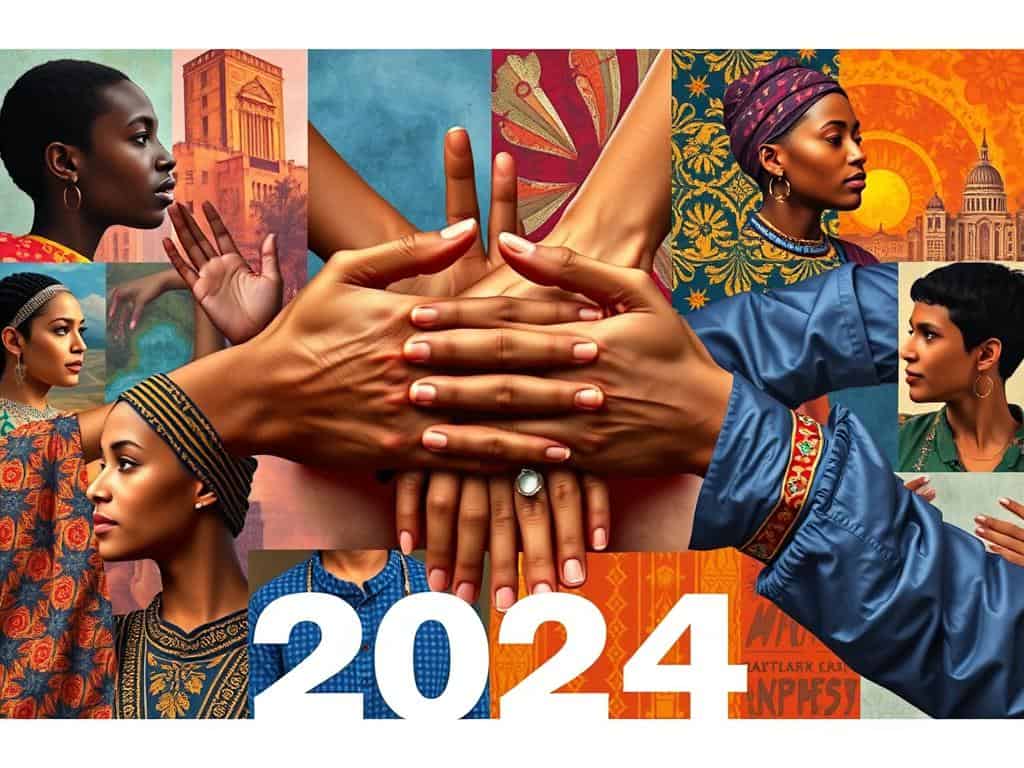
Did you know that the idea of race was made to show power differences? The American Anthropological Association says it was used to keep some groups down while others got power and wealth. In 2024, knowing about racial identity is more than just labels. It shows how our social lives, feelings of belonging, and personal experiences are all connected in today’s world.
Racial identity is about how others see us and how we see ourselves. It’s interesting that people go through different stages to understand their race. This journey affects how we see ourselves and how others see us, changing our personal and social lives.
Racism is more than just hate; it’s about power and rules. It works on many levels: personal, between people, in groups, and in society. Talking about racism is key to making things better and fixing the unfairness in our communities.
Looking at racial identity in 2024, we see changes in how people see and feel about race. These changes show the complex nature of who we are as individuals and as a community.
Key Takeaways
- The racial construct impacts societal dynamics of power and privilege.
- Racial identity involves both external perceptions and personal self-identification.
- Racial identity development varies, influencing individual experiences significantly.
- Racism functions at multiple levels, requiring nuanced understanding and dialogue.
- Being proactive in discussions about race is vital for societal progress.
- Shifts in racial identity perceptions are vital in contemporary social contexts.
Exploring the Foundations of Racial Identity
Racial identity is shaped by history and society. These elements together help us understand how racial identity forms. Media and culture play big roles in how we see race.
Historical Context and the Evolution of Racial Identity
History has changed how we view race. Debates have questioned if race is biological or social. Early life experiences, like family talks, shape our racial views.
The Role of Society in Shaping Racial Identity
Society greatly influences racial identity. Media, often white, affects how we see ourselves. But, positive media and family support can boost pride in being Black.
Debating Biological vs. Social Constructs of Race
Is race biological or social? This debate affects how we see ourselves. Many young people of color reject white culture, embracing their racial identity. Talking to elders helps them understand their heritage.
Racial Identity in Contemporary Society
Racial identity is changing fast, thanks to social changes and new tech. Social media is key in shaping these changes. Sites like Twitter and Instagram let people show off their unique racial identities. This helps us understand and hear more about racial diversity.
The Impact of Social Media and Technology on Racial Perceptions
Social media has changed how we see and talk about race. It makes it easier for people to share their stories. Technology has also helped bring out voices that were once ignored. This helps us see how different racial identities fit together.
Intersectionality and its Influence on Racial Identity
Intersectionality helps us see how race mixes with other parts of our identity. It shows that race isn’t the only thing that shapes us. For example, being African American can affect how someone sees themselves differently than others.
Diversity Within Racial Categories
There’s a lot of variety within each racial group. Even in groups that seem the same, people have their own ways of seeing themselves. For instance, many Black Americans see their racial identity as very important. Their stories show how different experiences can shape how we face challenges.
Conclusion
Looking into racial identity complexities, we see how race is tied to history and society. I talked about how race has changed over time, focusing on the 1970 Census’s shift to self-identification. This change showed the importance of personal experiences and the voices of people of color in defining identity.
In 2024, we’re having a deeper conversation about race and its connections to other aspects like gender and class. Data from places like the Behavioral Risk Factor Surveillance System shows that discrimination is a big issue. We need to keep pushing for talks and data that show the real struggles of marginalized groups. This will help us understand race better and make our society more fair.
As we move forward with racial identity, it’s important to think deeply about our own views on race. By doing this, we can better understand the many stories that make up our society. Understanding racial identity is not just about knowing facts. It’s about being empathetic and taking action to make sure everyone is treated fairly.
