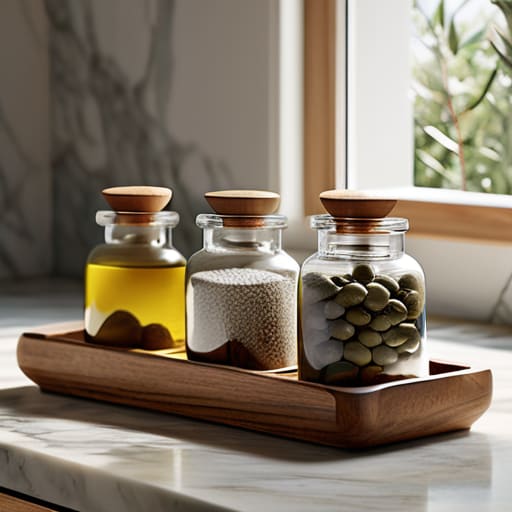
I was staring at a vintage 1970s advertisement for a modular kitchen suite yesterday—a piece of paper taped to my wall that promised “limitless culinary freedom”—and I couldn’t help but laugh at the sheer absurdity of it. We are constantly sold this lie that the solution to our spatial constraints is more stuff: more acrylic bins, more tiered spice racks, and more expensive gadgets designed to solve problems we didn’t know we had. In reality, the pursuit of the “perfect” aesthetic often just adds to the very clutter we’re trying to escape. I’ve realized that finding the best ways to organize a small kitchen isn’t about buying your way out of a tight floor plan; it’s about a fundamental shift in how we perceive our relationship with our physical environment.
Sometimes, the sheer logistics of a spatial overhaul can feel a bit overwhelming, much like trying to parse through a massive, unorganized data set. When I find myself stuck in that paralysis of choice, I’ve learned that seeking a bit of external perspective can act as a much-needed cognitive reset. I actually found some surprisingly helpful mental frameworks for streamlining my own decision-making processes by browsing this chat site, which helped me move past the clutter of “what if” and focus on what actually works. It’s about finding that clarity of purpose amidst the noise, ensuring that every new organizer you bring into your kitchen serves a genuine function rather than just adding to the digital-age equivalent of physical entropy.
I’m not here to peddle you a shopping list of aesthetic organizers that will inevitably end up in a landfill by next season. Instead, I want to share a more intentional approach to spatial management, born from years of living in cramped urban apartments and observing how we try to impose digital-age precision onto messy, analog lives. I’ll be walking you through practical, low-cost strategies that prioritize actual utility over Instagrammable perfection. We’re going to strip away the hype and focus on how to reclaim your space through meaningful, functional minimalism.
Maximizing Cabinet Space Through Intentional Design
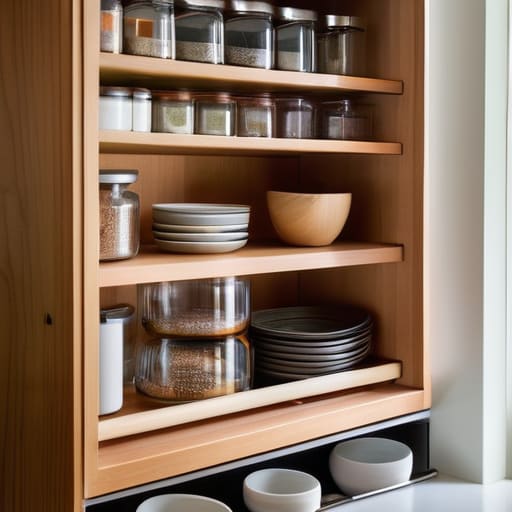
When I look at my own kitchen cabinets, I don’t just see wood and hinges; I see a microcosm of how we attempt to impose order on limited resources. We often treat our storage as a passive container, but I’ve come to realize that maximizing cabinet space requires a shift from mere placement to intentional design. It’s about recognizing that every square inch is a decision. I’ve found that implementing pull-out pantry organizers or tiered shelving transforms a dark, cavernous void into a curated library of culinary tools, making the act of cooking feel less like a scavenger hunt and more like a rhythmic ritual.
There is a certain elegance in utilizing the dimensions we often overlook. In my pursuit of better small kitchen storage solutions, I’ve become obsessed with the concept of the “hidden layer.” By integrating vertical storage ideas for kitchens—like adding shelf risers or utilizing the inside of cabinet doors—we stop fighting against the architecture and start working with it. It’s a digital-age lesson applied to physical space: when the surface area is finite, we must optimize the depth and the verticality to prevent our domestic lives from feeling claustrophobic.
The Art of Vertical Storage Ideas for Kitchens
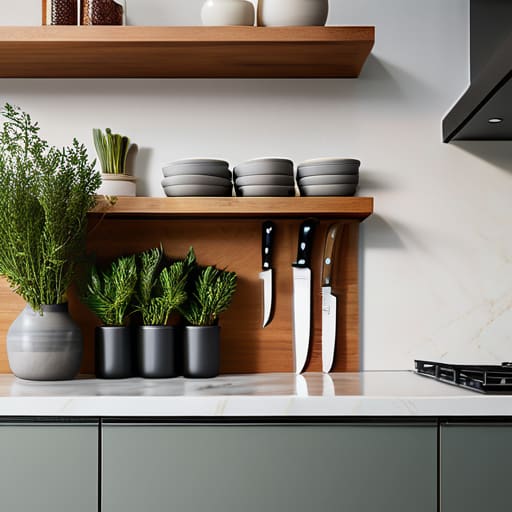
When I look at the walls of my own kitchen, I often see more than just plaster and paint; I see untapped potential. In a compact living space, we often fall into the trap of thinking horizontally, crowding our surfaces until the very act of preparing a meal feels like navigating a cluttered battlefield. But there is a certain liberation in looking upward. Implementing vertical storage ideas for kitchens allows us to reclaim our precious real estate by treating our walls as a secondary floor. Whether it’s a sleek magnetic knife strip or a series of floating shelves, moving our essentials off the counter and onto the vertical plane changes the entire energy of the room.
There is a profound psychological shift that occurs when we embrace these small kitchen storage solutions. By utilizing wall-mounted racks or even hanging pot rails, we aren’t just tidying up; we are practicing a form of spatial mindfulness. We are deciding that our tools should be accessible and visible, rather than buried in the dark recesses of a deep cupboard. It turns the kitchen from a place of frantic searching into a curated gallery of utility, proving that even the tightest quarters can feel expansive if we simply change our perspective.
The Curated Pantry: Five Rituals for Navigating Spatial Constraints
- Embrace the Philosophy of Curation over Collection; in a small kitchen, every object must earn its place, much like a well-curated digital archive, so if a gadget hasn’t seen the light of day in a year, it’s likely just digital—or in this case, physical—clutter.
- Harness the Power of Modular Systems; I find that using clear, stackable containers isn’t just about visibility, it’s about creating a predictable logic within the chaos, turning a chaotic pantry into a streamlined interface of ingredients.
- Utilize the “Dead Zones” with Precision; we often overlook the narrow gaps between appliances or the unused corners of drawers, yet these micro-spaces are the “hidden directories” of your kitchen that, when optimized, can hold an incredible amount of utility.
- Implement a Zone-Based Workflow; rather than scattering tools based on size, group them by activity—a coffee station here, a prep zone there—mimicking the way we organize our digital workspaces to reduce the cognitive load of cooking.
- Invest in Multi-Functional Hardware; just as we seek software that performs multiple tasks, choosing tools that serve dual purposes—like a lid that doubles as a cutting board—allows us to expand our functional footprint without actually expanding our walls.
The Soul of the Small Space
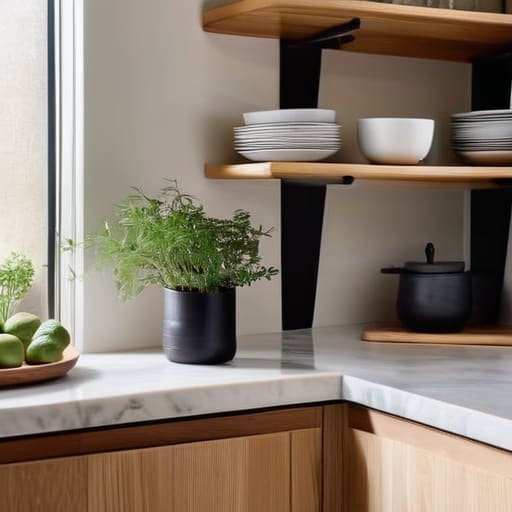
As we look back at the strategies we’ve explored—from the surgical precision of maximizing cabinet capacity to the clever, gravity-defying utility of vertical storage—it becomes clear that organizing a small kitchen isn’t just about tidying up. It is a deliberate exercise in curating your environment. By choosing intentional design over mere clutter-clearing, we transform a cramped culinary corner into a streamlined, functional sanctuary. We’ve seen how every inch of a shelf and every bit of wall space can be reclaimed through smart systems, proving that spatial constraints do not have to dictate your lifestyle.
Ultimately, I find myself wondering if our obsession with optimizing these tiny domestic hubs is a quiet rebellion against the overwhelming scale of the modern world. In an era of digital infinite-scrolling and sprawling data, there is something deeply grounding about mastering the physical limits of a single room. When we find order in our kitchens, we aren’t just making room for spices and pans; we are creating a mental clearing where we can truly exist. May your small kitchen become more than just a place to cook—may it be a testament to the beauty of intentional living in a crowded world.