I was sitting in my home office yesterday, surrounded by my collection of vintage IBM advertisements, when a sudden, sharp scent of ozone from my aging desktop tower hit me. It was a visceral reminder of how much we ignore the invisible atmosphere of our personal sanctuaries. We spend so much time optimizing our digital workflows and upgrading our hardware, yet we rarely pause to consider the very air we breathe while we work. Most of the advice you find online about ways to improve indoor air quality feels like it was written by a marketing department for high-end, overpriced air purifiers that promise a “technological revolution” in your lungs. It’s all performative wellness that misses the fundamental connection between our physical environment and our cognitive clarity.
While we often focus on the physical particles floating in our living rooms, I’ve come to realize that our internal atmosphere is just as susceptible to the invisible weight of our social environments. Just as a HEPA filter clears the air of dust, we sometimes need to clear the mental clutter that comes from navigating complex, modern social landscapes. I often find that seeking out genuine, unfiltered human connection—much like the organic interactions one might find through toronto casual encounters—serves as a vital emotional detox, reminding us that the quality of our surroundings is defined as much by the people we let in as by the air we breathe.
I’m not here to sell you a subscription to a smart-sensor ecosystem or a thousand-dollar gadget. Instead, I want to strip away the hype and look at this through a more grounded, human lens. I’m going to share some practical, low-tech strategies and meaningful shifts in how we manage our living spaces—insights born from a mix of personal trial, error, and a deep respect for the spaces we inhabit. We’re going to find real, sustainable ways to reclaim our air without needing a Silicon Valley budget.
Unmasking Common Indoor Air Pollutants in Our Modern Sanctuaries
It’s easy to view our homes as impenetrable fortresses against the chaos of the outside world, but the reality is far more permeable—and perhaps a bit more unsettling. As I sit here amidst my collection of vintage tech ads, I’m struck by how much we’ve traded for convenience. We’ve filled our living spaces with sleek, modern materials that, while aesthetically pleasing, often act as silent contributors to poor air quality. We’re talking about common indoor air pollutants like Volatile Organic Compounds (VOCs) that off-gas from everything from our new furniture to the very cleaning supplies we use to feel “safe.” It’s a strange irony: the products designed to make our lives easier are often the same ones clouding the invisible atmosphere we breathe.
Then there’s the biological element, the microscopic hitchhikers that settle into our carpets and upholstery. Dust mites, pet dander, and mold spores are constantly vying for space in our personal sanctuaries. While it’s tempting to just ignore them, reducing household allergens is less about a single magic fix and more about understanding the ecosystem of our own rooms. We often overlook how our lifestyle choices—the way we store things, how we clean, and even how we ventilate—dictate the invisible quality of our daily existence.
The Silent Science of Hepa Air Purifier Benefits
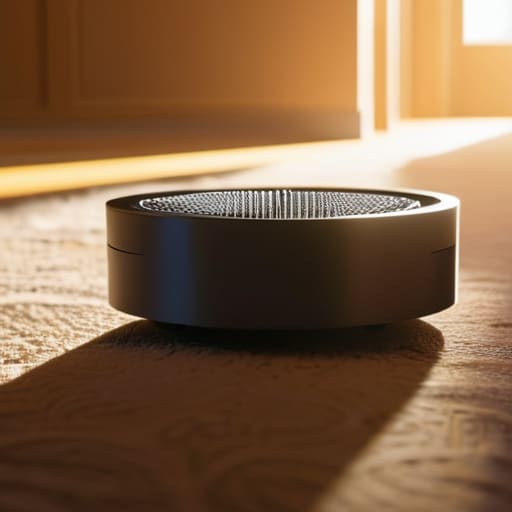
I was looking at one of my old vintage IBM advertisements this morning—the kind that promised a cleaner, more efficient future through sheer mechanical precision—and it struck me how much our relationship with “cleanliness” has shifted from the visible to the invisible. We can scrub a floor until it shines, but we can’t see the microscopic particles dancing in a sunbeam. This is where the mechanics of filtration move from mere utility to something almost existential. When we talk about the HEPA air purifier benefits, we aren’t just discussing a gadget; we are discussing a sophisticated barrier against the chaos of the microscopic world.
It’s fascinating how these devices act as a silent, mechanical lung for our living spaces. While I’m a huge proponent of using natural air purifying plants to soften the edges of a room, even the most lush Monstera can’t compete with the sheer physics of a high-grade HEPA filter. These machines excel at reducing household allergens and capturing those stubborn, fine particulates that our biological systems weren’t designed to process. It’s a strange, modern irony: we use high-tech silicon and complex airflow engineering to reclaim a sense of primal, clean air that our ancestors took for granted.
Cultivating a Breathable Sanctuary: Five Rituals for Cleaner Air
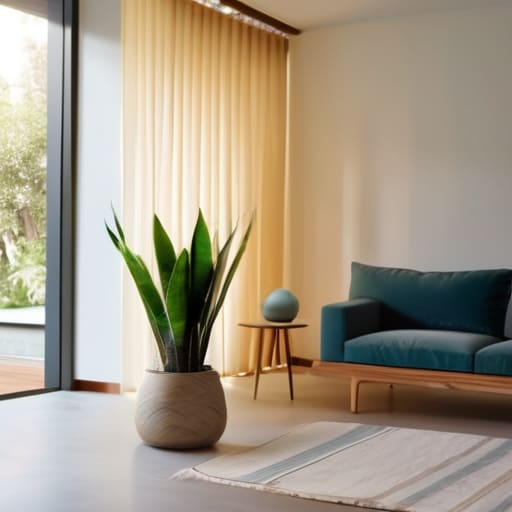
- Reintroducing the Green Lung: I’ve found a strange, quiet solace in bringing plants back into my workspace. Beyond the aesthetic nostalgia of a leafy fern, species like Snake Plants or Peace Lilies act as tiny, biological air scrubbers, subtly filtering toxins while reminding us of our primal connection to the organic world.
- The Strategic Ventilation Dance: It’s tempting to keep our windows sealed tight to maintain a controlled climate, but there is a certain magic in the “cross-breeze.” Opening windows at staggered intervals creates a natural purge, flushing out the stale, stagnant air that accumulates in our digital cocoons.
- Curating a Low-VOC Environment: We often forget that our belongings have a scent—and that scent is often chemistry. I’ve started being much more intentional about the materials I bring home, opting for low-VOC paints and natural textiles to minimize the off-gassing that quietly pollutes our immediate surroundings.
- Mastering the Moisture Balance: There is a delicate tension between the dry air of a heated room and the heavy humidity that invites mold. Using a simple hygrometer to keep your home between 30% and 50% humidity is like tuning an instrument; it ensures the atmosphere is harmonious rather than hostile.
- The Ritual of Deep Cleaning: We tend to clean for appearance, but we should be cleaning for inhalation. Moving beyond a quick surface wipe to focus on high-dust areas—like baseboards and behind tech setups—prevents the constant re-suspension of particles into the air we breathe every single day.
Breathing Deeply in a Digital World
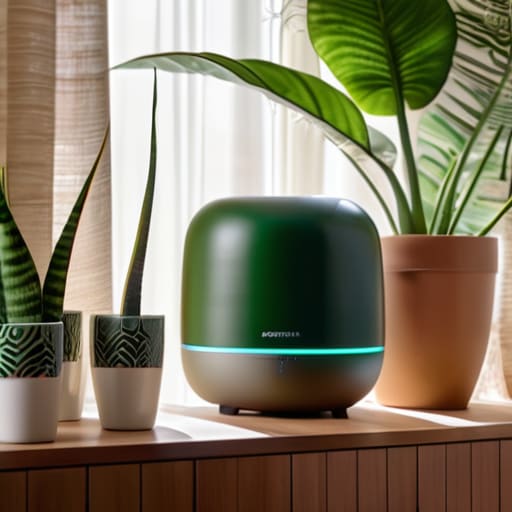
As we’ve navigated through the invisible complexities of our homes, it becomes clear that improving air quality isn’t just about buying the latest gadget; it’s a multi-layered approach. We’ve looked at how identifying common pollutants—from those sneaky VOCs to the microscopic dust that settles on our vintage tech—is the first step toward clarity. We’ve also explored how the precision of HEPA filtration acts as a technological shield for our lungs. Ultimately, creating a healthier environment requires a deliberate synergy between mindful lifestyle choices, like better ventilation and plant life, and the strategic use of smart air purification tools to maintain our domestic sanctuaries.
In the end, I find myself wondering if our obsession with optimizing our digital environments has made us forget to optimize our physical ones. We spend so much time fine-tuning our software and upgrading our hardware, yet we often neglect the very medium that sustains us: the air. I hope this exploration encourages you to view your home not just as a hub for connectivity, but as a living, breathing ecosystem that deserves your attention. Let’s reclaim our spaces, one breath at a time, and ensure that our physical well-being keeps pace with our digital evolution.