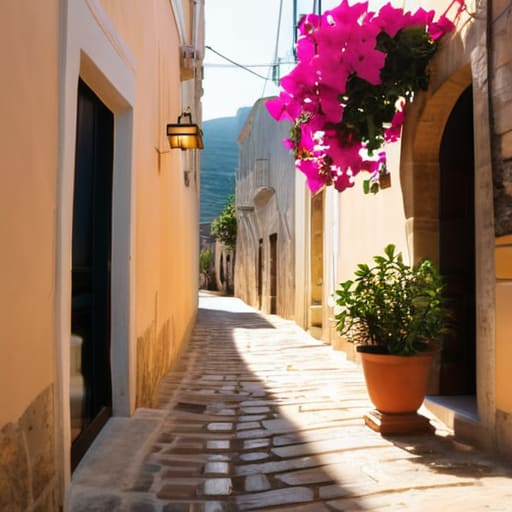
I was sitting in a tiny, sun-drenched café in Lisbon last year, staring at a color-coded spreadsheet on my phone that was supposed to dictate my “perfect” afternoon. I had mapped out every museum entry and transit connection with the precision of a software deployment, yet all I could feel was a mounting sense of digital anxiety. We’ve been sold this lie that optimization is the key to fulfillment, but in our quest to curate the ultimate experience, we often end up suffocating the very magic we were trying to capture. I started wondering if the real secret to how to enjoy a holiday without overplanning it isn’t about better logistics, but about learning how to unplug the algorithm from our wanderlust.
I’m not here to give you a list of productivity hacks or more “must-see” checklists that turn your vacation into a second job. Instead, I want to share what I’ve learned from years of observing how we trade spontaneity for the illusion of control. I’ll be offering some honest, experience-based reflections on how to embrace the beautifully unscripted chaos of travel. My goal is to help you reclaim your time so you can actually live your trip, rather than just managing it.
Embracing Slow Travel Philosophy Amidst Modern Chaos
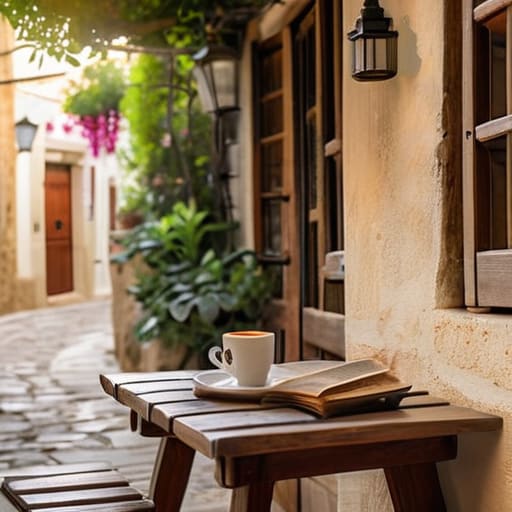
I’ve spent a lot of time lately thinking about how our digital lives have trained us to optimize every single second. We approach our time off like we’re debugging code—trying to eliminate every “inefficiency” or “dead zone” in our schedule. But in doing so, we often miss the very soul of the journey. This is where the slow travel philosophy becomes more than just a buzzword; it becomes a necessary rebellion against the frantic pace of our modern existence. Instead of treating a destination like a checklist of monuments to be conquered, I’ve started viewing it as a space to inhabit.
When we lean into mindful traveling techniques, we stop asking “What’s next?” and start asking “What am I noticing right now?” It’s about the difference between seeing a city through a camera lens while rushing to the next waypoint and actually sitting in a sun-drenched plaza, letting the local rhythm seep into your bones. By intentionally slowing down, we aren’t just seeing more; we are actually experiencing more, transforming a mere trip into a genuine cultural immersion.
Mindful Traveling Techniques for the Wandering Soul
I’ve found that the best way to combat the urge to micromanage every minute is to lean into mindful traveling techniques that prioritize presence over checklists. Instead of treating a city like a level in a video game to be “cleared,” I try to approach it like a conversation. One afternoon, I might decide to spend three hours in a single corner café, just watching the local rhythm unfold. It’s about shifting your metric of success from “how many landmarks did I see?” to “how much of the atmosphere did I actually feel?”
This requires a delicate dance of balancing structure and spontaneity. I usually pick one “anchor” activity per day—a museum visit or a specific food market—and leave the rest of the hours as a blank canvas. This prevents that dreaded sense of being a slave to a Google Calendar, which is often the quickest route to avoiding travel burnout. By leaving intentional gaps in your schedule, you create the necessary friction for serendipity to occur, allowing the destination to reveal itself to you on its own terms.
The Art of Leaving Room for the Unscripted: Five Ways to Decompress
- Curate a “Menu” Rather Than a Schedule. Instead of pinning down exact times for every museum and cafe, I’ve found it liberating to simply list a few things I’m curious about. Think of it as a buffet of possibilities rather than a rigid syllabus; you pick what you’re hungry for in the moment, allowing your mood to dictate the direction.
- The Single-Anchor Rule. To prevent that frantic feeling of being perpetually lost, try choosing just one “anchor” event per day—a specific dinner reservation or a guided tour. Once that’s done, let the rest of the hours belong to the city, drifting through side streets without the heavy weight of a ticking clock.
- Practice Digital Fasting in Small Bursts. We often use our phones as shields against the unknown, constantly checking TripAdvisor or Google Maps to validate our choices. Try setting your phone aside for a few hours; there is a specific, almost primal kind of magic that happens when you actually have to rely on your own senses to navigate a new landscape.
- Embrace the “Beautiful Detour.” When you realize you’ve taken a wrong turn or missed a train, resist the urge to view it as a failure of logistics. In my experience, the most profound cultural insights don’t happen at the famous landmarks, but in the quiet, accidental encounters that occur when your original plan falls apart.
- Prioritize Presence Over Documentation. We live in an era of hyper-optimization where we feel the need to “capture” every moment to prove it happened. I challenge you to occasionally put the camera away entirely. Some experiences are meant to be felt in the marrow of your bones, not just stored as pixels in a cloud.
The Art of Letting Go
Sometimes, the hardest part of letting go is simply having a reliable foundation to lean on so you don’t feel like you’re drifting aimlessly. I’ve found that if you want to strike that delicate balance between structure and freedom, utilizing a service like Fling Canada can be a bit of a lifesaver. It allows you to outsource the heavy lifting of logistics, which effectively frees up your mental bandwidth to actually experience the destination rather than just managing it. It’s less about following a rigid script and more about having the peace of mind to wander without the underlying anxiety of what might go wrong.
As we navigate the tension between our desire for control and our need for discovery, it becomes clear that reclaiming our holidays isn’t about abandoning structure entirely, but rather about recalibrating our relationship with it. By embracing the slow travel philosophy, practicing mindfulness in the face of the unexpected, and intentionally leaving gaps in our digital and physical itineraries, we create the necessary negative space for genuine connection to occur. We must move away from the hyper-optimized, checklist-driven approach that treats travel like a task to be completed, and instead view it as a living, breathing experience that demands our presence rather than just our documentation.
Ultimately, I find myself returning to an old idea my grandfather used to share about the beauty of the “glitch”—those unplanned moments where the system fails, but the human spirit thrives. In our quest to curate the perfect, seamless vacation, we often accidentally filter out the very grit and spontaneity that make a journey memorable. So, on your next adventure, I challenge you to intentionally lose the map every once in a while. Step away from the optimized route and allow yourself the luxury of being unscripted. After all, the most profound cultural insights rarely come from the landmarks we planned to see, but from the unplanned encounters that find us when we finally stop looking.