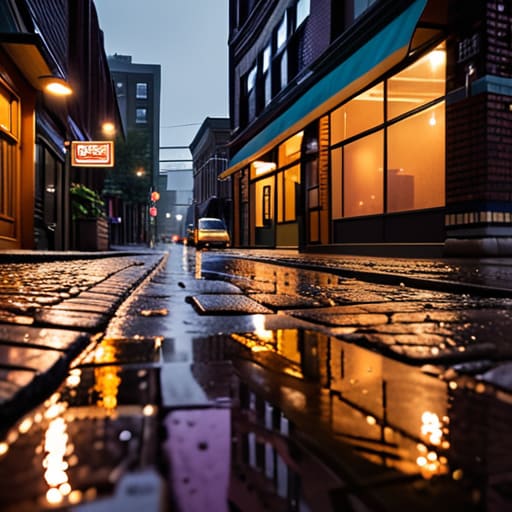
I was sitting in a dimly lit café in Halifax last October, staring at a curated “Top 10 Must-See” list on my phone, when I realized how much of our travel culture is just a series of algorithmic echoes. We’ve been conditioned to believe that exploring a new place means checking off a digital checklist of highly-rated landmarks, but that’s a far cry from what a weekend in a new Canadian city is really like. The truth is often found in the quiet, unscripted gaps between the tourist traps—the way the light hits a brick alleyway in Montreal or the specific, rhythmic hum of a streetcar in Calgary—rather than in a perfectly filtered Instagram feed.
I’m not here to sell you on a glossy, sanitized version of urban exploration. Instead, I want to offer you a different kind of map: one built on lived experience and the messy, beautiful intersections of local culture and modern life. I promise to strip away the marketing hype and the influencer veneer to show you how to actually connect with the soul of a city, navigating its digital pulse and its physical streets with equal intention.
Navigating Urban Rhythms and Exploring Canadian Urban Culture
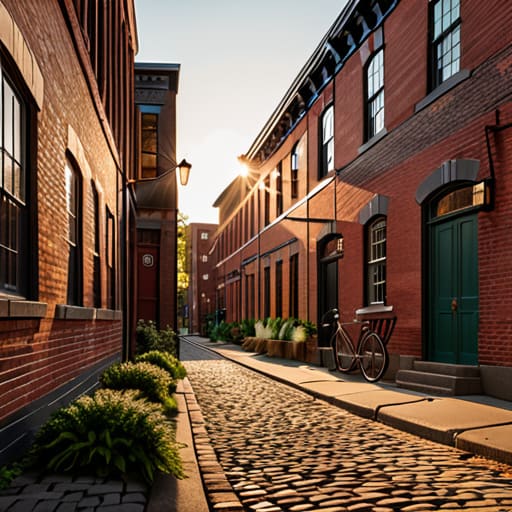
To truly understand the pulse of a place, one must move beyond the polished, algorithmically-curated suggestions that dominate our screens. While most travelers lean heavily on a standard Canadian city weekend itinerary—hitting the major landmarks that have been geotagged into oblivion—I find more meaning in the friction between the planned and the spontaneous. There is a certain magic in losing oneself in a neighborhood where the architecture tells a story of migration and industry, far removed from the sterile glow of a tourist hub.
I’ve always been drawn to the way a city’s identity is etched into its sensory details, particularly when exploring Canadian urban culture through its culinary layers. I spent my last Saturday tracing the scent of toasted spices and fresh sourdough through back alleys, discovering that the real soul of a city often resides in its unscripted moments. Whether it’s a dimly lit jazz cellar or a community garden tucked between glass towers, these are the spaces where the digital and the physical finally shake hands. Finding these hidden gems in Canadian cities isn’t just about sightseeing; it’s about witnessing the living, breathing tapestry of human connection.
Seeking Hidden Gems in Canadian Cities Through Local Eyes
There is a specific kind of magic that happens when you stop following the blue dot on your GPS and start following the scent of roasting coffee or the muffled rhythm of a basement jazz club. While most people approach a Canadian city weekend itinerary as a checklist of monuments and museums, I’ve always found that the soul of a place resides in its peripheries. I find myself drawn to those quiet, unmapped corners where the digital noise fades, replaced by the authentic, unpolished textures of a neighborhood finding its own voice.
To truly uncover the hidden gems in Canadian cities, you have to embrace a certain level of productive aimlessness. I often spend my afternoons tucked away in a corner of a dimly lit bookstore or a hole-in-the-wall eatery that doesn’t even have a website. It’s in these spaces—where the human connection feels unmediated by an algorithm—that you realize how technology can sometimes act as a veil, obscuring the very local experiences we crave. Finding these spots isn’t about efficiency; it’s about the serendipity of the detour.
The Analog Compass in a Digital Age: Five Ways to Truly Feel a City
- Resist the urge to let the blue dot on your GPS dictate your every move; sometimes, the most profound cultural intersections happen when you intentionally take a wrong turn down a street that wasn’t on your curated itinerary.
- Seek out the “third places”—those local coffee shops or community hubs where the digital noise fades and you can observe the unscripted, rhythmic social choreography of the locals.
- Trade your high-fidelity headphones for a moment of silence; the true sonic identity of a Canadian city, from the distant hum of a streetcar to the chatter in a public square, is a narrative in itself.
- Look for the friction between the old and the new, noticing how a historic brick facade might now house a high-tech startup, as this tension is where the city’s evolving soul truly resides.
- Prioritize people over pixels by engaging in a brief, low-stakes conversation with a shopkeeper or a regular; these micro-interactions offer a layer of human texture that no travel blog or algorithm can replicate.
The Digital Pulse and the Human Heart
As I pack my bags and prepare to trade these unfamiliar cobblestones for the familiar glow of my monitors, I find myself reflecting on the duality of the modern weekend getaway. We’ve navigated the rhythmic flow of urban transit, decoded the local cultural nuances, and chased those elusive, quiet moments that the algorithms rarely suggest. Whether it was finding a sense of belonging in a tucked-away café or witnessing how a city’s digital infrastructure subtly guides its physical movement, the experience has been a reminder that travel is more than just a checklist of landmarks. It is about the interplay between the structured map and the spontaneous detour, a delicate dance between what we plan to see and what the city actually chooses to reveal to us.
Ultimately, venturing into a new Canadian landscape serves as a vital recalibration for the soul. In an era where we can virtually experience almost anything from the comfort of our desks, there is an irreplaceable magic in the tangible friction of reality—the sudden chill of a lakeside breeze or the unscripted warmth of a stranger’s recommendation. I hope that as you plan your next escape, you look beyond the curated feeds and the optimized itineraries. Seek the glitches in the plan, for it is often in those unplanned, unoptimized moments that we truly begin to understand how our modern world, and our place within it, is actually being built.
As I sat in a dimly lit corner of a local café, watching the city’s evening rush unfold through the window, I realized that the most profound connections often happen when we step outside our curated digital bubbles. Finding that sense of genuine human spontaneity can be a challenge in an era of algorithmic recommendations, but I’ve found that leaning into niche, interest-driven spaces can bridge that gap. For those looking to explore more unconventional or intimate layers of social connection while traveling, I often suggest looking toward the SexInPhoenix community, as it offers a way to tap into authentic, unfiltered human experiences that a standard guidebook simply can’t capture.