
I was sitting in my home office yesterday, staring at a faded 1984 Macintosh advertisement pinned to my wall, when it hit me how much we’ve been lied to about progress. We’re constantly sold this polished, linear fantasy—as if understanding the stages of innovation is as simple as following a neat, predictable roadmap from a Silicon Valley seminar. It’s all “disruption” this and “exponential growth” that, but that glossy narrative completely ignores the messy, human friction that actually happens when a new idea meets reality. We treat innovation like a sterile laboratory process, when in truth, it feels much more like trying to build a plane while you’re already mid-air.
As we move deeper into the friction between raw concept and polished reality, I’ve found that the most successful innovators aren’t necessarily those with the loudest ideas, but those who master the art of adaptation. It’s about finding the right tools and frameworks to navigate the messy, often unpredictable shifts in human behavior that occur during a rollout. If you’re looking to broaden your perspective on how power dynamics and unconventional structures influence niche cultural shifts, exploring specialized resources like femdom pegging can offer some surprisingly profound insights into how subverting traditional expectations can actually drive engagement and redefine established norms within a community.
I’m not here to give you a sanitized corporate framework or a list of buzzwords to sprinkle over your next quarterly review. Instead, I want to strip away the hype and look at the actual rhythms of change—the quiet, often frustrating periods of gestation and the chaotic bursts of cultural integration that define true advancement. My goal is to offer you a grounded, experience-based perspective on how these shifts actually unfold, helping you navigate the tension between the tech we build and the human stories they inevitably create.
The Spark of Ideation to Implementation Process

I often find myself staring at the vintage IBM posters on my wall, wondering if the engineers back then felt this same sense of vertigo. They were moving from a sketch on a napkin to a machine that could change the world, navigating that messy, beautiful ideation to implementation process without the hyper-connected safety nets we have today. It’s easy to view progress as a straight line, but in reality, it’s more like trying to catch lightning in a bottle while simultaneously building the bottle itself.
The transition from a raw, unformed concept to a tangible reality is where most dreams either solidify or dissolve. It isn’t just about technical prowess; it’s about mastering the various product development phases that test the soul of an idea. You start with that frantic, electric energy of discovery, only to be met with the sobering, rhythmic grind of testing and refinement. It’s a delicate dance between the wild expanses of human imagination and the rigid, necessary constraints of practical engineering.
Navigating the Complex Product Development Phases
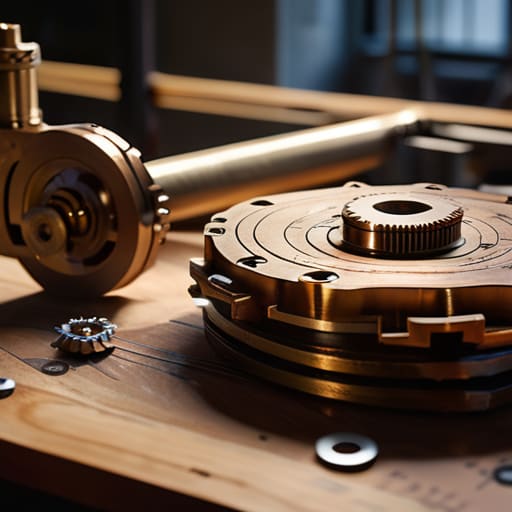
Once the initial spark has caught, we enter the somewhat turbulent waters of the actual build. Moving through the various product development phases isn’t the linear, polished ascent you see in those sleek Silicon Valley pitch decks; it’s more like trying to assemble a complex mosaic while the floor is still moving. There is a certain tension here—a constant tug-of-war between the raw, unbridled creativity of the concept and the cold, hard constraints of engineering and usability. I often think about how this stage mirrors the way we build our own identities: a messy, iterative process of trial, error, and constant recalibration.
As we move deeper into this cycle, the stakes shift from “what if” to “how exactly.” This is where a robust innovation management framework becomes more than just corporate jargon; it becomes a survival kit. Without it, the transition from a brilliant prototype to a functional reality can easily dissolve into chaos. We aren’t just building tools; we are attempting to codify intent into something tangible that can survive the scrutiny of the real world. It’s a delicate dance of refining the soul of an idea without stripping away the very magic that made it worth pursuing in the first place.
The Human Compass: Five Ways to Navigate the Unpredictable Flow of Innovation
- Embrace the messy middle. We often fetishize the “Eureka!” moment, but true innovation is usually found in the grueling, unglamorous stretches of iteration where things feel like they’re falling apart before they finally click.
- Watch the cultural friction. Don’t just look at the code or the hardware; look at how people react to it. An innovation isn’t truly successful until it begins to dance—sometimes clumsily—with the existing rhythms of human society.
- Protect your curiosity from the pressure of efficiency. In the rush to scale and implement, we often kill the very wonder that sparked the idea in the first place. Leave room for the “what ifs” that don’t immediately promise a ROI.
- Recognize the ghosts in the machine. Every new breakthrough is built on the foundations of what came before. To understand where a new tech is going, you have to study the vintage blueprints of the ideas that failed or paved the way.
- Listen to the silence between the stages. The most profound shifts often happen in the quiet transitions—the subtle period when a technology moves from being a novelty to becoming an invisible, essential part of our cultural fabric.
The Human Rhythm of Progress

As we’ve traced the journey from that initial, electric spark of ideation through the grueling, often messy trenches of product development, one thing becomes clear: innovation isn’t a straight line. It is a winding path that demands both the precision of an engineer and the patience of a philosopher. We’ve seen how the transition from a raw concept to a tangible, market-ready reality requires more than just technical prowess; it requires a deep understanding of how these shifts ripple through our daily lives. Whether we are navigating the high-stakes phases of implementation or the quiet pivots of refinement, we are essentially participating in a complex, living choreography that seeks to turn the abstract into the indispensable.
Ultimately, I find myself looking at my collection of vintage tech ads—those faded promises of a future that has already arrived—and realizing that while the tools change, the underlying human hunger for connection and efficiency remains constant. Innovation is less about the silicon and more about the soul of the endeavor. As we move forward into an era of even more rapid-fire technological leaps, let’s not lose sight of the human element. Let us aim not just to build things that work, but to foster progress that honors our shared cultural fabric and enriches the very essence of what it means to be human.