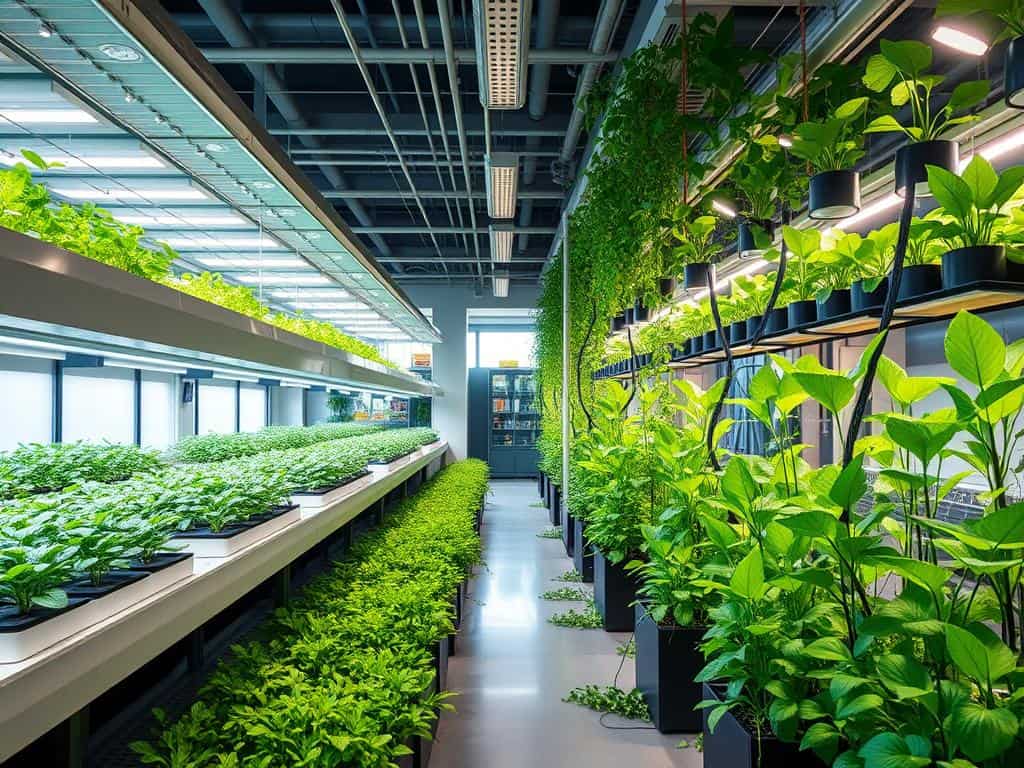
Did you know vertical farming could hit a billion-dollar mark by 2024? This growth is led by companies like AeroFarms. It shows how Food Tech is changing our food production and consumption. With climate change and food insecurity, lab-grown meat and AI are making our diets better and changing the food scene.
The need for sustainable farming is urgent. The pandemic has shown us the importance of efficient, sustainable food. The United Nations aims for Zero Hunger by 2030. Innovations like lab-grown meat and AI are bringing hope and action. They help meet consumer demands for ethical food and reduce our carbon footprint.
With these advancements, I’m eager to explore more trends and innovations. They’re leading us to a healthier, more sustainable food future.
Key Takeaways
- Vertical farming is rapidly growing, enabling high-yield, pesticide-free crop production.
- Lab-grown meat technologies are becoming mainstream, providing plant-based alternatives that mimic traditional meat.
- Artificial intelligence is personalizing our meal options based on dietary needs and preferences.
- Emerging smart packaging technologies enhance consumer interaction and monitor food freshness.
- The industry is prioritizing sustainable practices and environmentally friendly packaging solutions.
Emerging Trends in Food Technology for 2024
The food tech scene in 2024 is all about tackling big global issues like climate change and nutrition. New innovations are leading the way for greener and healthier food options.
Sustainability and Climate Change Solutions
New tech is focusing on making farming more sustainable and reducing climate change. Urban farming is getting more efficient and kinder to the planet. Companies are also moving to biodegradable packaging to meet consumer demand for eco-friendly food.
With governments looking to support sustainable practices, businesses must follow suit. This is key for their success.
Nutritional Enhancements through Technology
In 2024, there’s a big push for healthier food options. People are turning to plant-based proteins and lab-grown meat. They want foods that are good for them and have clean labels.
AI and precision fermentation are helping create these new, nutritious products. They meet the growing demand for healthier food choices.
Diversification of Protein Sources
The food industry is expanding its protein offerings. There’s a growing market for cell-cultured meat and plant-based alternatives. This shift is driven by consumers wanting more variety and sustainability.
This trend not only offers more choices but also helps reduce environmental harm. It’s a big step towards a more sustainable food future.
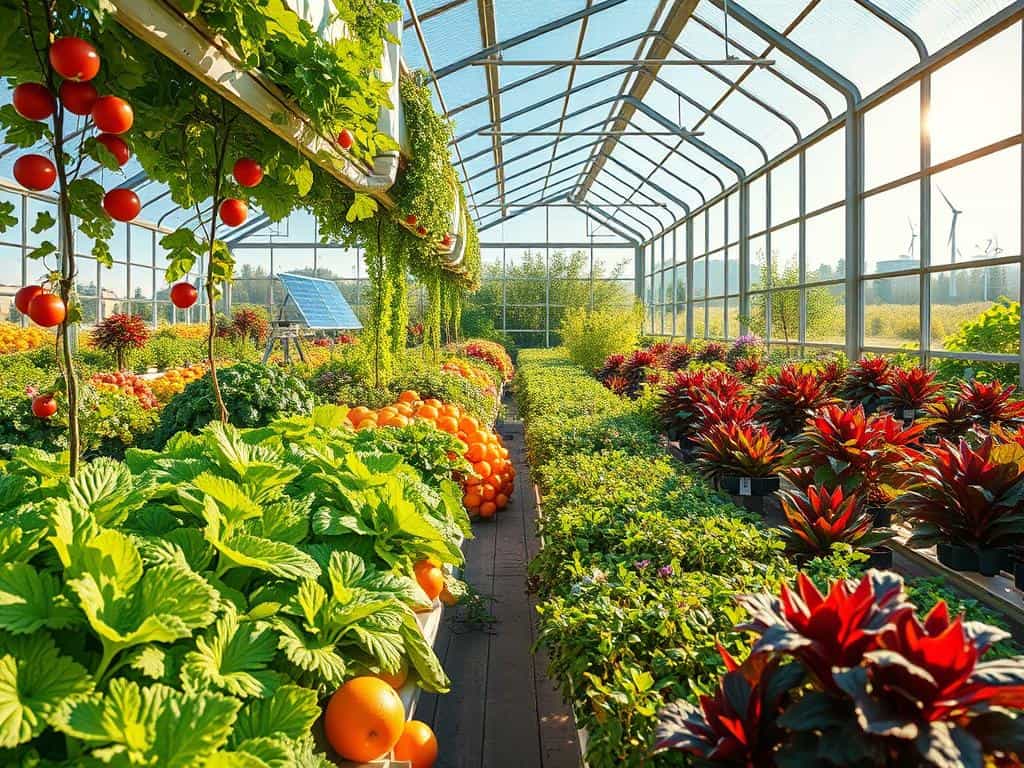
Food Tech Innovations: Lab-Grown Meat and Vertical Farming
In 2024, food technology has made big strides with lab-grown meat and vertical farming. These innovations aim to change how we produce protein and tackle big issues like land use and environmental impact. With more people moving to cities, finding ways to farm sustainably is more important than ever.
Lab-Grown Meat: The Future of Protein Production
Lab-grown meat is gaining attention for its promise of being both ethical and sustainable. Companies like Mosa Meat and Memphis Meats are leading the way in creating lab-grown chicken and beef. This method cuts down on greenhouse gas emissions, land use, and water use compared to traditional farming.
But, there are challenges to overcome, like making enough to meet demand and winning over consumers. Many people are hesitant because of concerns about the taste and how it’s made. It’s key to educate people about the benefits of lab-grown meat to gain their trust.
Vertical Farming: Solving Land Scarcity and Environmental Impact
Vertical farming is a promising answer to the problems of traditional farming. It allows for growing crops all year round in cities. Companies like AeroFarms use sustainable methods to grow more food with much less water than traditional farming.
Vertical farming also cuts down on the use of harmful chemicals, making food safer and reducing pollution. As cities grow, these methods help lower costs and emissions. They also ensure a steady supply of fresh produce for city dwellers.
