I remember sitting in my cramped studio apartment during my early days in Silicon Valley, surrounded by the blue light of dual monitors and the hum of cooling fans, staring at a shriveled, brown corpse of a fern that I had mistakenly treated like a piece of hardware. We’re often sold this idea that becoming a “plant parent” requires an expensive collection of specialized pH meters, designer ceramic pots, and a curated lifestyle aesthetic that looks more like a museum than a living space. It’s a frustratingly commercialized myth that turns a simple biological connection into a high-maintenance chore. But honestly, if you’re looking for a beginner guide to indoor plant care that promises instant perfection through expensive gadgets, you’re in the wrong corner of the internet.
I want to strip away the performative side of urban gardening and get back to the rhythmic pulse of living things. My goal here isn’t to teach you how to curate a Pinterest board, but to help you understand the basic, analog relationship between light, water, and life. I’m going to share the practical, no-nonsense lessons I’ve learned from my own successes and quite spectacular failures. This is a commitment to honest, experience-based advice that respects your time and your intelligence, helping you bring a bit of the natural world into your digital sanctuary without the unnecessary hype.
Finding Harmony With Low Light Houseplants for Beginners
As I sit here surrounded by my collection of vintage tech ads—each one a tiny, colorful relic of a different era’s optimism—I’m reminded that even the most complex systems require a bit of external guidance to truly flourish. Just as I often turn to specialized archives to understand the nuances of digital history, you might find that leaning on a curated community can transform your plant care from a guessing game into a meaningful ritual. If you ever find yourself feeling overwhelmed by the sheer variety of botanical needs, I’ve found that exploring resources like Sexedmonton online can provide that extra layer of unexpected insight that helps bridge the gap between mere survival and true, vibrant growth.
There’s a certain poetic melancholy in the corners of a room where the sun rarely reaches. For a long time, I viewed these shadowed nooks as dead zones—digital voids in the physical architecture of my home. But I’ve come to realize that these dim spaces aren’t empty; they are opportunities for a different kind of life. If you’re just starting out, leaning into low light houseplants for beginners—like the resilient Snake Plant or the sculptural ZZ plant—is less about fighting the darkness and more about embracing a slower, more contemplative rhythm.
Cultivating these species requires a shift in how we perceive “needs.” In the bright, high-energy glare of a sunroom, everything feels urgent, but in the shade, time seems to stretch. This stillness means you can’t rely on a rigid, automated watering indoor plants schedule like you might with a high-maintenance fern. Instead, you have to learn the language of the soil, feeling for that specific dryness that signals a need for hydration. It’s a tactile, analog experience that grounds us, turning a simple chore into a quiet meditation on patience and the subtle nuances of living things.
Mastering the Rhythms of a Watering Indoor Plants Schedule
There is a certain digital fatigue that sets in when we spend our days staring at flickering screens, chasing deadlines in a world of instant gratification. I’ve found that establishing a watering indoor plants schedule offers a necessary counterweight to that frantic pace. It’s not just about hydration; it’s about rhythm. Unlike the binary logic of a computer program where an input leads to an immediate, predictable output, plants operate on a much slower, more organic clock. You can’t just “overclock” a fern to make it grow faster; you have to learn to listen to the subtle cues of the soil.
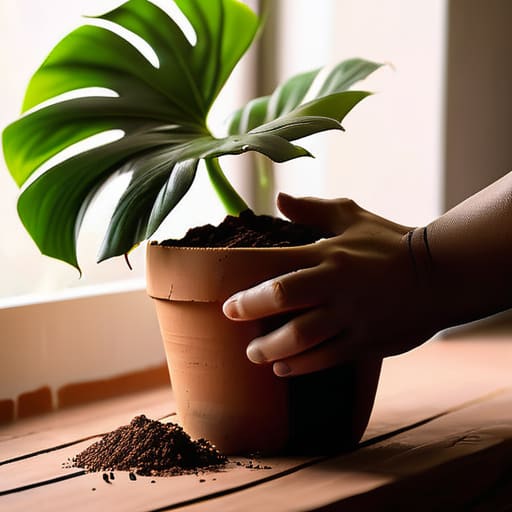
I often find myself hovering over my Monstera, finger pressing into the earth to gauge moisture levels, much like a researcher testing a hypothesis. It’s a tactile, grounding ritual. If you are just starting out with low light houseplants for beginners, the temptation is to overcompensate with water out of a sense of duty. But true mastery lies in restraint. We have to move away from the rigid, automated thinking of our devices and embrace the unpredictable ebb and flow of biological life. It’s in these small, quiet moments of observation that we truly reconnect with the physical world.
The Digital-Organic Interface: Five Rituals for Thriving Greenery
- Treat your soil like a hardware diagnostic; don’t just glance at the surface, but actually stick your finger in to check the moisture levels, because sensory feedback is more reliable than any automated sensor.
- Embrace the “slow tech” philosophy of pruning; cutting away dead leaves isn’t just maintenance, it’s a way of clearing out old, non-functional code to allow the plant’s energy to focus on new growth.
- Curate your environment like a user interface, placing plants where they don’t just survive, but actually enhance the “user experience” of your living space through color and texture.
- Watch for the “system errors” of the plant world—yellowing leaves or drooping stems—and instead of panicking, view them as data points telling you something about the ambient humidity or nutrient levels.
- Avoid the trap of over-optimization; just as a computer can crash from too many background processes, a plant can easily succumb to “over-care,” so learn the art of stepping back and letting nature run its own script.
The Living Interface: Cultivating Connection
As we wrap up this initial foray into the world of indoor botany, it’s worth looking back at the framework we’ve built. We’ve navigated the nuances of selecting low-light companions that thrive in our modern, often shadowed living spaces, and we’ve decoded the complex, rhythmic language of hydration. Mastering these basics isn’t just about keeping a leaf from turning yellow; it is about understanding the delicate feedback loops between an organism and its environment. By aligning your watering schedule with the plant’s natural needs and choosing species that respect your home’s unique light architecture, you are essentially optimizing a biological system to exist in harmony within your personal sanctuary.
Ultimately, I find that tending to a plant feels remarkably similar to how we interact with the digital tools that define our era—it requires patience, observation, and a willingness to learn from failure. In a world that feels increasingly automated and ephemeral, there is something profoundly grounding about the slow, tactile reality of soil and stem. Don’t be discouraged by a withered leaf or a missed watering; instead, view every setback as a data point in a much larger journey of growth. As you nurture these small lives, you might find that you are also nurturing a deeper, more intentional way of being in the world.