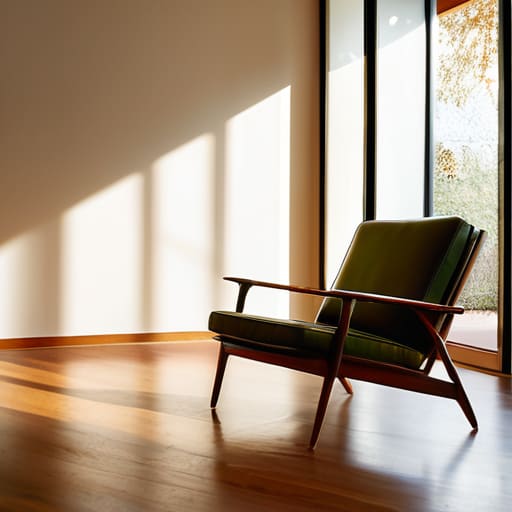
I was sitting at my desk this morning, staring at a faded 1980s print ad for a high-end home security system, when it hit me how much of the “solo living” discourse is utter nonsense. The internet loves to peddle this polished, minimalist fantasy—the idea that moving into a single-occupancy space is an immediate gateway to a curated, Zen-like existence. But let’s be real: the reality of how living alone changes a home isn’t found in a catalog of mid-century modern furniture; it’s found in the strange, quiet friction between your personal habits and the physical walls that no longer have to negotiate with anyone else’s presence. It is often much messier and more profound than the lifestyle influencers would have you believe.
I’m not here to give you a checklist of interior design trends or a guide to “optimizing” your square footage. Instead, I want to explore the actual cultural and psychological shift that occurs when your domestic space transitions from a shared social stage to a private, unscripted sanctuary. We’re going to dive into the honest, unvarnished truth of how autonomy reshapes our relationship with our surroundings, looking at everything from the way we use technology to occupy silence to the way our physical environment becomes a direct reflection of our internal landscapes.
The Psychology of Solo Living Spaces and Self
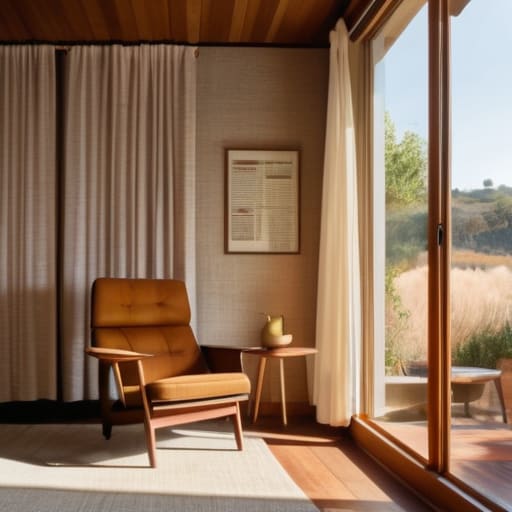
There is a subtle, almost invisible shift in the way we perceive our boundaries when the only footsteps in the hallway are our own. When I look at the vintage IBM ads pinned to my wall, I’m reminded of how much we once prioritized “connectivity” as a technical metric, yet we rarely discussed the psychology of solo living spaces and how they dictate our internal rhythms. Without the constant, ambient noise of another person’s presence, your home stops being a reactive environment and becomes a mirror. You aren’t just arranging furniture to accommodate a guest or a partner; you are essentially curating an externalization of your internal state.
This autonomy brings a unique kind of weight. There is a profound freedom in creating a sanctuary at home that is purely, unapologetically yours, but it also demands a higher level of emotional intentionality. Without the social scaffolding of a roommate or spouse to lean on, the way you inhabit your rooms—the way you light a lamp or leave a book on the table—becomes a primary way of self-parenting. You realize that your space isn’t just a place to sleep, but a vessel for your own psychological stability.
Optimizing Small Living Spaces for the Modern Soul
When you’re navigating the constraints of a studio or a modest one-bedroom, you quickly realize that optimizing small living spaces isn’t just about clever storage hacks or modular furniture; it’s an exercise in curation. Without the buffer of roommates or family, every object in your line of sight becomes a silent participant in your daily life. I often find myself looking at my own collection of vintage tech ads—those vibrant, tactile relics of a different era—and realizing they serve as more than just decor. They are anchors. When you are decorating for one person, you aren’t designing for an audience or adhering to a communal standard of “neatness.” You are building a visual language that speaks directly to your own internal rhythm.
This intentionality is where the magic happens. By treating your square footage as a canvas rather than a cage, you begin creating a sanctuary at home that reflects your evolving identity. It’s about finding that delicate balance between utility and soul. If a piece of furniture doesn’t serve your workflow or spark a moment of quiet contemplation, it’s simply noise. In the quietude of a solo household, the space becomes a mirror of the mind.
The Curated Solitude: Five Rituals for Reclaiming Your Space
- Curate your sensory landscape. When you live alone, the “background noise” of a household—the hum of another person’s existence—vanishes. Use this to your advantage by intentionally designing your sonic and olfactory environment, whether that’s a specific vinyl record for morning coffee or a scent that signals the transition from work to rest.
- Embrace the “unproductive” corner. In shared spaces, we often feel a subtle pressure to keep things functional and tidy for the sake of others. In your own sanctuary, designate a nook strictly for whimsy or idle thought—a place for a stack of half-read books or a vintage tech manual—where the only rule is that it doesn’t need to serve a purpose.
- Master the art of the singular ritual. Living alone allows you to break the tyranny of the communal schedule. Transform mundane tasks, like preparing a meal or watering plants, into meditative solo ceremonies that anchor you to your physical surroundings rather than your digital ones.
- Avoid the “museum trap.” It is tempting to keep a solo home in a state of pristine, untouched perfection, but a home that is too perfect can feel sterile and lonely. Allow your space to show the beautiful, messy evidence of a life being lived; let the chair be slightly askew or the desk be covered in creative debris.
- Integrate technology with intention. Without the social buffer of housemates, digital devices can easily become the sole inhabitants of your attention. Use your tech to enhance your connection to the space—smart lighting that mimics a sunset, for instance—rather than letting it become a glowing wall between you and your sanctuary.
The Architecture of the Self
As we’ve explored, transitioning to a solo residence is far more than a mere logistical shift or a lesson in spatial optimization. It is a profound reconfiguration of how we interface with our immediate environment. We have seen how the psychological landscape shifts when the domestic sphere becomes a mirror for the individual, and how the deliberate curation of even the smallest corner can act as a technological and emotional anchor in a chaotic world. Whether it is the way we manage our digital workflows within our walls or the way we reclaim physical space to foster introspection, we are essentially redefining the boundaries between our public personas and our private realities.
Ultimately, living alone teaches us that a home is not just a container for our belongings, but a living, breathing extension of our own evolving narrative. In an era where technology constantly pulls our attention outward toward the global hive mind, your home serves as the essential counter-narrative—a place where you can finally hear your own thoughts without the static of compromise. I encourage you to look at your living space not as a set of square footage to be managed, but as a canvas for your own becoming. May your sanctuary always be a place that reflects not just who you are today, but the person you are still learning to be.
As we navigate the delicate balance of maintaining our social identities within these solitary sanctuaries, I’ve found that the digital world often acts as a necessary bridge to the human connection we crave. It isn’t just about filling the silence; it’s about finding meaningful engagement that complements our newfound independence. For those moments when the quiet of a solo home feels a bit too heavy and you’re looking for a way to spark a fresh, unfiltered conversation, exploring a platform like MilfChatUSA can provide that much-needed sense of social vitality without disrupting the peaceful autonomy you’ve worked so hard to build.